Wine Serving Temperature Guide for all Types of Wine Styles


Key Takeaways
- Serving red wine at modern room temperature makes it taste like hot rubbing alcohol.
- Shoving white wine in a cold refrigerator for a week kills the aroma entirely.
- Dropping bottles in an ice-and-salt bath chills them perfectly in twenty minutes without shattering the glass.
Opening an expensive bottle of wine and pouring it at the wrong temperature destroys the flavor profile. People drop massive money on high-end vintages, pull the cork in a hot dining room, and wonder why the alcohol burns their throat. You cannot treat every bottle the same way. The concept of a universal wine serving temperature is a massive retail myth. Restaurants get away with serving boiling reds and freezing whites because average consumers accept it without questioning the actual mechanics.
Must Read: Wine Serving Sizes Guide: Pours, Glasses, & Bottle Servings
What is the Right Wine Serving Temperature?
People repeat the old rule that red wine needs room temperature. They forget that it originated in drafty European castles. Staring at a bottle in a modern, heated house cooks the liquid. It forces raw alcohol vapors forward, erasing dark fruit flavors and leaving a brutal, boozy burn on your palate.
Throwing white wine into a kitchen fridge and forgetting it ruins the drinking experience. Fridges operate below forty degrees to keep meat safe. Pushing wine to that temperature paralyzes the chemical compounds responsible for the aroma. The wine feels crisp, but you strip away the actual complexity entirely.
Top Pick: How to Make Easy Red & White Wine Cocktails: Complete Guide
How to Chill Wine Correctly: Understanding the Right Steps
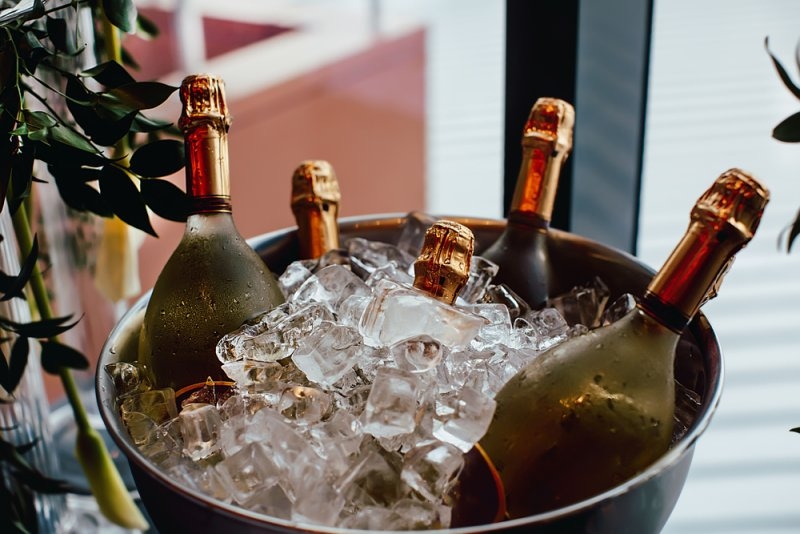
Stop panicking when guests arrive and shoving expensive bottles into the freezer, which only shatters the glass. Executing a rapid chill requires basic chemistry instead of desperate guesswork.
Build an Ice Bath
Grab a metal bucket and fill it halfway with ice. Pour in cold tap water until it covers the ice. Water conducts temperature significantly faster than dry frozen air.
Dump the Salt
Pour a massive handful of cheap, coarse kosher salt directly into the ice water. Salt aggressively drops the freezing point of the liquid, creating a brutal thermal shock that chills a warm bottle fast.
Set a Hard Timer
Do not walk away. Pull the bottle at the 20-minute mark for whites or 10 minutes for reds. Over-chilling destroys the effort entirely, so track the clock strictly.
Hitting the Ideal Wine Temperature for Reds
Treating heavy red wine like a hot beverage ruins the expensive structural tannins. You need to control the heat to unlock the actual red wine serving temperature without making the glass taste like pure ethanol.
Chill the Heavy Bottles
Big Cabernet Sauvignon and Syrah bottles need to hit 60 to 65 degrees. Toss them in the fridge for exactly 20 minutes before you pull the cork to kill the room temperature heat.
Cool the Light Reds
Pinot Noir and Beaujolais demand a heavier chill. Drop them down to fifty-five degrees. That specific drop tightens up the red fruit profile and stops the wine from tasting flat and heavy.
Use Your Hands
If you accidentally over-chill a red, do not microwave it. Pour a standard glass and cup the fragile crystal bowl with your bare hands. Your raw body heat will gently raise the temperature back into the correct drinking window.
How to Get the Correct White Wine Serving Temperature?
Stop drinking white wine that feels like ice water. Locking down the ideal white wine serving temperature means pulling the bottle out of the fridge way before you plan to drink it.
Let the Big Whites Breathe
Oak-aged Chardonnay tastes like cheap sawdust if you serve it too cold. Pull the bottle out of the fridge and leave it on the counter for 20 minutes to hit 55 degrees. The warmer temp unleashes the rich butter and vanilla notes.
Keep the Crisp Whites Snapped
High-acid wines like Sauvignon Blanc and Pinot Grigio need to stay between forty-five and fifty degrees. If they get warm, the sharp citrus flavor dies instantly. Keep them resting in the ice bucket between pours.
Watch the Condensation
If the glass sweats heavily the second you pour the wine, the liquid is way too cold. Let it sit on the table and acclimate before you take the first sip.
How to Control the Sparkling Wine Temperature?
Warm champagne is a violent, foamy disaster. Hitting the perfect sparkling wine temperature keeps the carbon dioxide trapped in the liquid instead of exploding all over your dining room table.
Drop It Down to Freezing
Vintage Champagne and cheap Prosecco both need to hover around forty-two to forty-five degrees. That brutal cold keeps the bubbles razor-sharp and stops the residual sugar from tasting thick and syrupy.
Never Pop a Warm Cork
Opening a warm bottle of sparkling wine causes the compressed gas to expand violently. You lose half the liquid in a massive foam geyser and kill the carbonation immediately.
Use a Real Stopper
Once you open the bottle, the pressure escapes fast. Keep the bottle shoved deep in an ice bucket and lock it down with a heavy steel champagne stopper to preserve the violent fizz between rounds.
Conclusion
Stop letting lazy restaurant habits ruin your expensive alcohol at home. Pouring a premium bottle at the wrong temperature completely wastes your hard-earned money. Executing the correct wine serving temperature strategy requires actual discipline, not passive guesswork. Pull the heavy reds out of the hot dining room and throw them in the fridge to kill the aggressive ethanol burn.
Frequently Asked Questions
Does decanting a wine change its serving temperature?
Yes. Pouring a heavy red wine into a glass decanter exposes the liquid to ambient room air. If your dining room is hot, the wine warms up incredibly fast. You must chill the bottle slightly below the target temperature before decanting it to compensate for that rapid heat transfer.
How do you handle the temperature for a sweet dessert wine?
Treat thick dessert wines like Sauternes identically to crisp white wines. Crush them down to forty-five degrees. Serving heavy, sugary alcohol at room temperature makes the liquid feel incredibly cloying. The brutal cold keeps the high acidity razor-sharp and perfectly balances out the massive sugar load.
Should you ever put ice cubes directly into a glass of wine?
Absolutely not. Dropping raw ice cubes into a glass instantly dilutes the chemical structure and completely ruins the expensive flavor profile. If you desperately need to chill a glass, drop a handful of frozen grapes into the liquid. They drop the temperature fast without watering down the alcohol.
What happens if you leave a bottle of wine in a hot car?
The wine literally cooks inside the glass. Extreme heat expands the liquid, forcing the cork upward and breaking the airtight seal. Oxygen floods in, instantly oxidizing the alcohol and turning a premium vintage into expensive, terrible-tasting vinegar. Never leave your haul sitting in a hot car trunk.
Can you store wine in a standard kitchen refrigerator long-term?
No. Kitchen refrigerators run massive compressor motors that vibrate heavily, which aggressively damages the chemical aging process. Furthermore, the extreme lack of internal humidity physically dries out the natural cork, shrinking it until oxygen bleeds into the bottle and ruins the juice. Keep them in a dark closet.
This content was created by AI
No keywords available
-1780395846-r.jpeg)