Wine Serving Sizes Guide: Pours, Glasses, & Bottle Servings

Key Takeaways
- An average pour for a glass of wine is roughly 5 ounces.
- A 750ml bottle will have 25.4 ounces of wine.
- One regular bottle yields approximately 5 servings of 5 ounces each.
- Avoid large pours. A small pour means you can get more glasses out of a bottle.
- Wine serving sizes are not about glass size.
- The size of your wine pour can impact the number of servings.
There are so many shapes and sizes of wine glasses that figuring out a standard serving size for wine can be confusing.
A wine glass appears to be filled, but is it just one serving or several? With a general standard wine serving size, the size of wine pours, and the number of glasses in the bottle, you can pour wine confidently, buy in bulk, and avoid waste.
Understanding Wine Serving Sizes
The standard size of a glass of table wine is 5 fluid ounces. A 750 ml bottle of table wine contains an estimated 25.4 fluid ounces and will provide you with an estimated five wine servings.
But not in all instances can we pour 5 ounces. Some instances, such as tastings, may have smaller pours, while other instances, comparable to a dinner, will have a normal pour. Plenty of elements—together with the wine, event, and variety of folks you're serving—can all change the amount you pour.
What is a Serving Size of Wine?
The typical serving size for most table wines is 5 ounces. Serving a glass this size allows you to enjoy the wine's aroma, taste, and texture, and leaves space in the glass for swirling.
Serving means the volume of wine, not the size of the glass. A large glass has space at the top for aromas and movement. Filling a large glass halfway up is not usually a standard serving.
How Many Ounces in a Glass of Wine is There?
You'll often hear a wine pour of 5 ounces with many types of wine. 5 ounces of wine, though, is just an average wine pour size and can change based on where you are drinking.
A 4 oz pour yields an average of about 6 servings from a 750 ml bottle. A 6 oz pour would be an average of about 4 servings. A tasting pour could be about 12 servings from one bottle.
How Many Servings in a Standard Bottle?
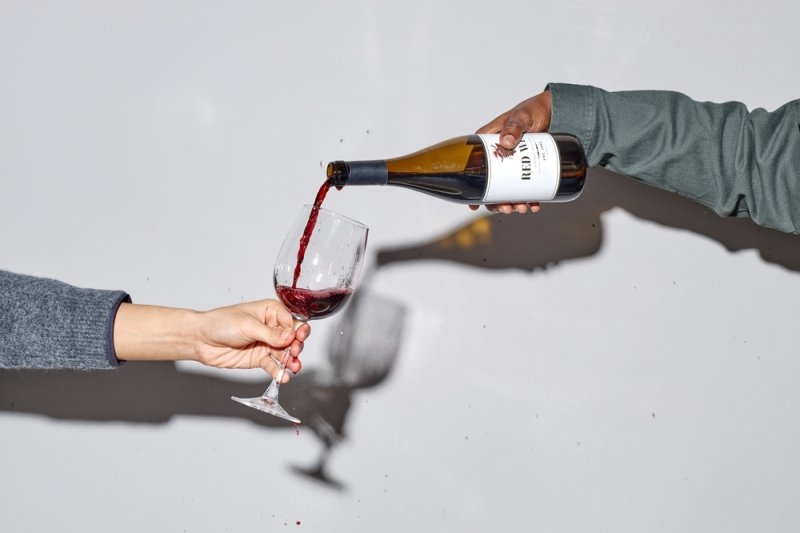
One standard bottle of wine is 750 ml (25.4 oz). So the answer to "how many glasses of wine are in a bottle" will depend on your pour size.
A 5 oz pour yields around 5 servings per bottle. A 4 oz pour yields around 6 servings per bottle. A 6 oz pour yields around 4 servings per bottle. These are guidelines to help you decide how many bottles you should buy.
What else to consider: Bottle size. Half bottles, 375 ml, would be about 12.7 ounces; a magnum, 1.5 litres, has twice the amount of wine compared to a bottle.
Choosing the Right Wine Pour Size
You don't have to fill your wine glass to the brim. Sitting wine lower in the glass allows the aromas to escape and for wine to flow more freely, as well as making your drink easier to pour.
The size of your wine pour can vary by occasion. Consider these examples:
- Dinner: Approximately 5 ounces is a convenient standard portion.
- Wine tastings: A 2oz. pour gives your guests a chance to try multiple wines.
- Relaxed social drinking: Pour a 4-ounce shot, and you have more for your dollar.
- Larger pour: A 6-ounce pour has more wine but fewer servings.
A Simple Wine Serving Guide for Parties
Plan your wine for a party based on how many people will be drinking and how many times. Starting with guests and how much each guest will consume, do the math to plan how much wine to buy. For instance, if 10 guests will have two 5-ounce servings, you need about 100 ounces of wine.
However, given that a regular bottle is about 25.4 ounces, four bottles equate to 102 ounces, which is a good estimate, but of course actual drinking and pouring will vary.
For multiple wines, guests will consume a smaller volume of each. For this reason, your guide to the amount of wine to serve may need to change with the menu rather than stay fixed at one number.
Why Glass Size Can Be Misleading?
Using a Large Glass. Just because a glass is large doesn't mean you should pour more wine into it. Many wine glasses feature large bowl sizes to accommodate swirling and gather aromas above the surface of the wine.
To know the quantity of a standard wine pour, put 5 ounces of the beverage into a glass of your choice. When you serve in the future, see where the wine level is and use that.
Does Wine Type Affect Serving Size?
The standard pour does not automatically change because a wine is red, white, rosé, or sparkling. However, the pouring method can vary.
Sparkling wine can bubble and foam if poured too quickly. Dessert wines tend to be served in smaller amounts, as their sweetness and richness can be sufficiently experienced in a smaller glass.
Tips for More Consistent Wine Servings
A measuring cup shows you precisely how much 4, 5, or 6 oz. Looks like it's in your preferred glass. After you've measured it out once, you'll find that you can approximate the rest quite easily.
For parties, a measured pourer will also help keep pours consistent. Try these few tips:
- Don't pour your drink quickly into the glass; fill it up slowly.
- Leave space below the rim.
- Measure your usual serving once for reference.
- Use smaller pours when serving several wines.
- Estimate bottle size when organizing for an event.
Conclusion
Serving sizes and how much is a glass of wine? As you can see, getting your head around standard wine serving sizes makes pouring and planning simple.
If you wonder, "How much is a 5 oz glass of wine?" the volume of wine you pour into a glass, along with the size of standard wine bottle servings, all help you get better estimates on how much to buy and serve.
Frequently Asked Questions
Will a bottle of wine fill more than 5 glasses?
Yes. A standard 750 ml bottle can be split among more than five people if you offer smaller pours. Four-ounce glasses will give about six drinks, and two-ounce tasting portions will give around 12 glasses.
Is it true that a wine glass should be only half full?
No. Wine glasses vary greatly in size, and therefore the halfway point isn't an accurate guide. An amount of wine will be served, regardless of how full or empty the glass appears.
Are pours at a winery smaller than the pour you would get in a restaurant or bar?
Yes. Tastings are often sample-sized to minimize the amount of wine served to allow visitors to taste more wines. 2 ounces of wine is enough to evaluate the wine on its appearance, aroma, and taste without using a full glass.
How much wine should you drink with dinner?
A 5-ounce serving is a good guide for dinner. The amount will vary, depending on the meal, the guests, and the other drinks on offer. A smaller serving may be more appropriate when a number of different wines are served.
Is an expensive wine a different portion size?
No. A wine's price doesn't affect the pour size. An expensive wine can easily be poured into a 5-ounce serving, but perhaps a smaller tasting pour would be recommended to sample the character of the wine.
This content was created by AI
No keywords available