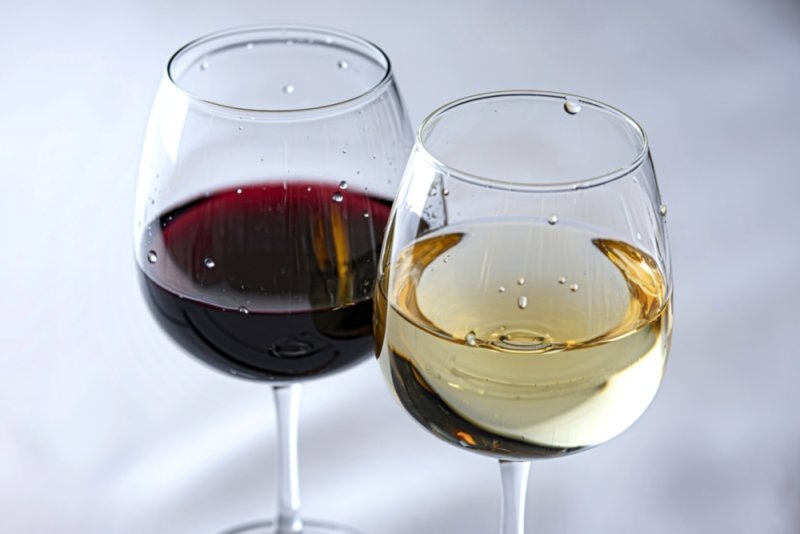
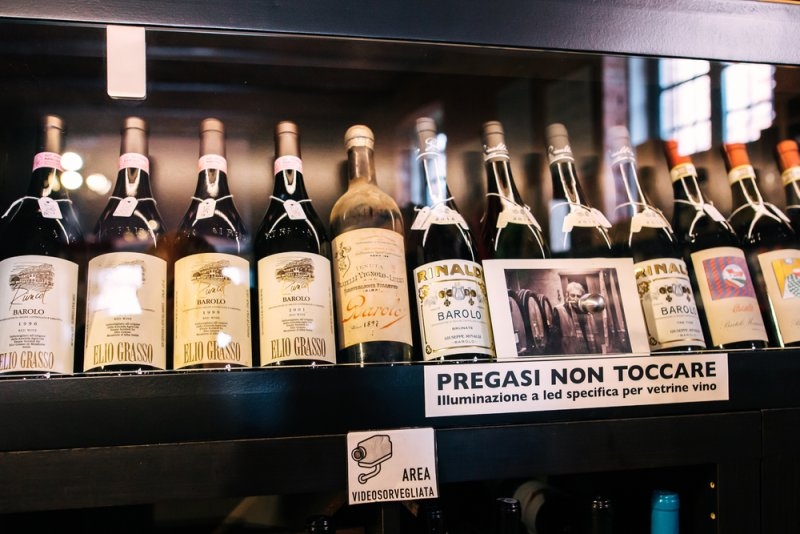
Sweet vs Dry Wine: Understanding the Difference

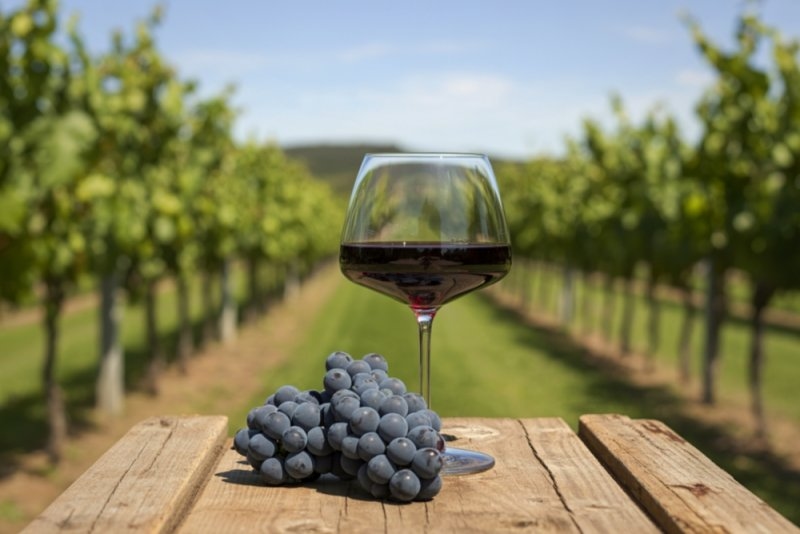
Key Takeaways
- The distinction between sweet and dry wine is primarily made based on the amount of residual sugar; however, acidity, tannins, alcohol content, and fruity character are also important factors when it comes to sweetness perception.
- When talking about a dry wine, we mean that it is a wine that does not contain any sweetness; however, dry wine may be very fruity at the same time.
- To simplify the selection process for you, there is an easy wine sweetness chart available which will help you choose among various types of wine.
Choosing a wine can be difficult as the wine classification may include a variety of different terms, including dry, off-dry, sweet, crisp, fruity, and full-bodied. The main question is the difference between sweet vs dry wine. Although these terms sound rather simple, in reality they reflect certain characteristics of wines and their residual sugar content.
Knowing the difference allows one to pick a bottle that suits their tastes, food, or the occasion. In addition, it allows one to try different types of wines without always having to depend on recommendations.
Whether you like to drink white, red, or dessert wines, knowing the role of sweetness in wines comes in handy when tasting new wines.
What Does Dry Wine Mean?
Dry wines normally have a low residual sugar content, or they contain no residual sugar at all after fermentation. During the fermentation process, sugar present in grape juice is converted into alcohol. When almost all sugar has been fermented, such wine is normally dry and not sweet.
However, dry does not necessarily mean that such wines lack taste; dry wines can taste fruity, including tastes of berries, citrus, tropical fruit, apple, and stone fruit. Such wines might be sweet in terms of flavors despite having very little sugar content.
High acidity and tannin contents might influence the perception of dryness in a wine.
What are Sweet Wines?
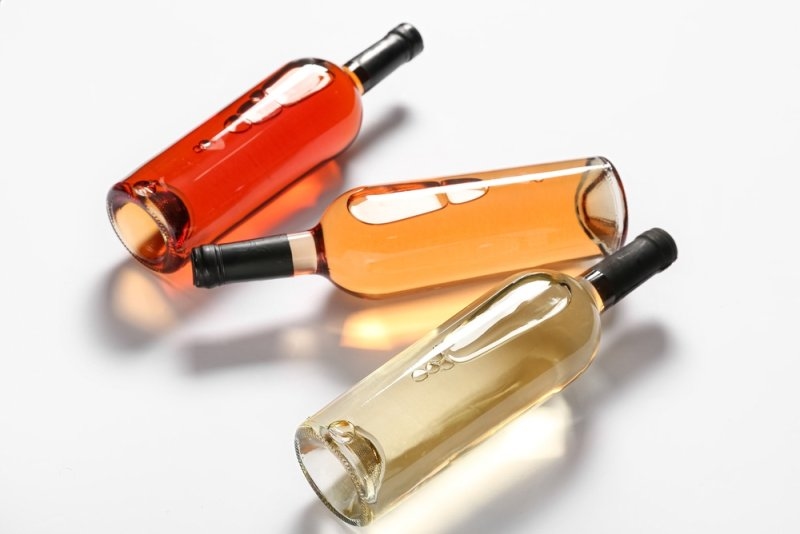
In comparison to other varieties, sweet wines have higher amounts of residual sugar that make them sweet. It may range from low levels of sweetness in wines to extremely high ones in dessert wines.
Wines may have a sweet taste either due to an incomplete fermentation process during which the whole sugar in the grapes is not converted to alcohol or due to winemaking processes that increase the level of sugar and other substances in wine.
Sweet wines are usually fruit wines, sparkling, fortified, and dessert wines.
It is important to understand that sweetness is only one element of wine. The acidity of wine balances the sweetness.
Sweet vs Dry Wine: What is the Difference?
The simplest sweet and dry wine difference is the amount of sugar present in the wine after it is made. But the taste of wine is influenced by many things.
Dry wines tend to have very low sugar content and may have tastes such as crisp, savory, earthy, or structured. Sweet wines have higher sugar content and may be fuller in their taste.
Wines may also have high alcohol content that creates warmth, which may be mistaken for sweetness, or have fruity flavors that give dry wine a sweeter taste than it really is.
This is the reason that the process of tasting wine is not as easy as knowing whether it is sweet or dry.
Also Check: Sparkling Wine: Champagne, Prosecco, or Cava Comparison
A Simple Wine Sweetness Chart
A wine sweetness chart will help you to understand how the wine sweetness evolves. Note that the classification may vary depending on the type of wine and its origin. But in general, here is the classification of the wine sweetness:
Dry → Off-Dry → Medium-Sweet → Sweet → Dessert-Sweet
Dry wines contain little residual sugar, and off-dry ones have a certain amount of sweetness. Medium-sweet wines are sweeter, and dessert wines are much sweeter than others. In the case of sparkling wines, the names used may differ; therefore, such names as Brut, Extra Dry, and Demi-Sec do not mean the same in ordinary wines. Note that Extra Dry is actually sweeter than Brut.
How Different Types of Wine Can Taste
Different varieties of wine can differ in terms of their levels of sweetness; however, there are certain tendencies.
- Red wine: Popular varieties of red wines include dry types of wines like Cabernet Sauvignon, Merlot, Pinot Noir, Syrah, and similar wines. Nevertheless, dry red wine can be fruity. Such fruit flavors as blackberry, cherry, plum, or raspberry can be present in dry red wines.
- White wine: The range of sweetness of white wines is much wider. Such white wines as Sauvignon Blanc and most Chardonnays are usually dry, but Riesling can be very dry or even sweet. Moscato is one of the popular white wines that tends to be sweet.
- Rosé wine: Rosé wines can also have a wide range of sweetness. Modern Rosé wines tend to be dry, but some varieties have notable sweetness.
- Sparkling wine: Sparkling wines can have very different levels of sweetness. Brut is a term for dry sparkling wine.
- Dessert wine: Sweet wines that tend to be consumed together with desserts are known as dessert wines.
Must Read: Homemade Fruit Wine Recipe: From Garden to Glass
How to Tell if a Wine is Sweet or Dry?
The most straightforward method is to seek information from the bottle, the manufacturer’s website, or the wine description. Nevertheless, it might not be easy to determine whether the wine is sweet or dry from the labels.
Knowing a few common terms might help. Terms such as Brut denote dry sparkling wines, while terms such as Demi-Sec denote sweeter wines.
Even the style of the wine and its origin might be considered; however, these methods do not guarantee success either. When you buy wine in restaurants or shops, requesting dry or sweet wine may be the easiest method.
How Sweetness Affects Food Pairing
The element of sweetness can play a significant role when matching wine with food. An excessively dry wine does not go well with an exceptionally sweet meal, but one with some level of sweetness goes well with desserts and spicy meals.
Sweet wines go well with spicy meals because of the sweetness in the wines. They also go well with desserts made from fruits, creamy desserts, and cheese.
Dry wines are among the most versatile types, and they go well with meals like roasted vegetables, grilled meat, fish, pasta, and salads.
The other important aspect is acidity, which should also be considered in wines.
Conclusion: Which Wine Should You Choose
Neither sweet nor dry wines are universally better than the other. It all depends on your personal taste and the situation.
For instance, if you like fresh and crisp flavors and don’t want much sweetness, begin with dry wines. However, if you like soft fruity flavours with some sweetness, you might appreciate off-dry or sweet wines.
If you are not sure what to choose, then experiment with both. Trying different types of wines is among the best ways to cultivate your palate.
Frequently Asked Questions
Is dry wine more healthful than sweet wine?
There is no automatic correlation between either term and "more healthful." This depends on the amount of wine consumed per serving and its alcohol content and residual sugar.
Is dry wine low in alcohol?
Absolutely not. "Dry" does not refer to the alcohol content but to residual sugar; a "dry" wine can be quite strong in alcohol, whereas some "sweet" wines can have plenty of alcohol too.
Which wine is sweeter - red or white?
It can be neither - both kinds of wine can vary from very dry to very sweet. In fact, many popular red wines are dry, whereas white wines vary widely in sweetness.
How does a beginner decide between sweet and dry wines?
Think about the flavors you like most. For instance, if you like less sweet drinks, go for dry wines. On the other hand, if you like sweet drinks, opt for sweet or off-dry wines. Testing out different types will help you determine which one suits you.
How should you familiarize yourself with wine sweetness?
A guide to wine tasting will acquaint you with different terms, including dry, off-dry, sweet, acidity, tannins, and body. This is in addition to trying out different wines with varying levels of sweetness and recording those that suit you.
This content was created by AI
No keywords available