Homemade Fruit Wine Recipe: From Garden to Glass

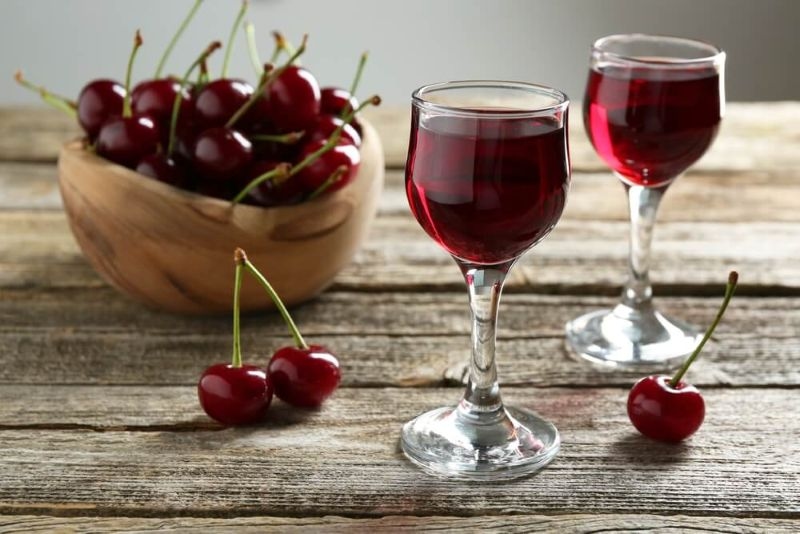
Walk through any farmers' market in July, and you will see more ripe fruit than most people know what to do with. Peaches piled into bushels, flats of strawberries going soft, blueberries by the quart. Here is something worth knowing: all of that fruit can become wine. Real, drinkable, share-with-friends wine made in your own kitchen, no vineyard required. This fruit wine recipe guide lays out exactly what to buy, what to do, and what to expect along the way. Whether you are a total beginner or just curious about fermentation, you are in the right place to get started.
So What Actually Is Fruit Wine?
Fruit wine, sometimes called country wine, is wine made from any fruit besides grapes. Strawberries, peaches, apples, elderberries, plums, and blueberries are all fair game. The fermentation process works the same way it does with grapes; only the base ingredient changes.
One thing most people notice right away is that fruit wines tend to be softer than grape wines. Lower tannins, less sharpness on the palate, and a flavor that actually tastes like the fruit it came from. That makes them approachable for people who do not normally reach for a glass of red.
Picking Your Fruit
This is where how to make fruit wine really begins, at the fruit itself. Summer fruits like strawberries, peaches, raspberries, and blueberries are the easiest starting point. They have plenty of natural sugar, ferment without much fuss, and produce bright, clean flavors. Fall fruits, apples, plums, and elderberries especially, take longer to develop but reward patience with something richer and more layered.
A few things worth knowing before you start:
- Stone fruits like peaches, cherries, and apricots need to have their pits removed. Those seeds carry compounds that make wine taste bitter.
- Toss your fruit in the freezer the night before. Freezing breaks down the cell structure, and you get more juice out of it.
- A good rule of thumb for a 1-gallon fruit wine recipe is 4 to 6 pounds of fruit.
What to Gather Before You Start
Fruit wine making for beginners does not demand a lot of expensive gear. Here is everything you need:
Ingredients:
- 4 to 6 lbs fresh or frozen fruit
- 2 lbs granulated sugar
- 3 quarts of boiled water
- Juice of 1 lemon
- Pectic enzyme (breaks down the pulp and clears the wine)
- 1 packet wine yeast
Equipment:
- A food-grade plastic bucket for the first fermentation stage
- A fermentation bag to hold the fruit pulp
- A glass carboy, which is a large sealed jug for secondary fermentation
- An airlock and stopper
- A siphon to move wine between containers
One rule above all others: clean and sanitize every single piece of equipment before it touches your wine. Bacteria from unsanitized gear are the reason most batches go wrong.
Don’t Miss: Red Wine vs. White Wine: Differences, Benefits & Pairings
The Fruit Wine Recipe, Start to Finish
- Day 1: Put the fruit inside the fermentation bag and place it in your bucket. Dissolve the sugar in hot water, pour it over the fruit, then add lemon juice and pectic enzyme. Top off with cooled boiled water. Once everything reaches room temperature, sprinkle the yeast on top and cover the bucket loosely with a cloth.
- Days 2 through 6: Once a day, reach in with clean hands and gently work the fruit bag, turning it over so the liquid gets full contact with the pulp. The liquid will cloud up and start to fizz, which is exactly what you want to see.
- End of week 1: Once the fruit has gone soft, lift the bag out and hold it over the bucket so the juice drips back in. Put it down and walk away. Do not squeeze it. Squeezing forces bitter compounds into the liquid. Let everything settle for a couple of days.
- Moving to the carboy: Siphon the clear liquid into your glass carboy, leaving some space at the top. Fit the airlock, then tuck the carboy somewhere dark with a steady temperature. Drape a cloth or old t-shirt over it to keep the light out.
- Month 1 and month 3: Siphon the wine into a clean carboy each time to remove the sediment that collects at the bottom.
- Month 6: Watch the airlock. Once no bubbles pass through for several days straight, the wine is ready to bottle. Moving too fast here is the most common beginner mistake, as bottling wine that is still active can build pressure and push the cork out.
- Aging: Set the bottles aside and leave them alone for at least a year. Wine that tastes harsh right after bottling often smooths out completely with time.
A Few Health Perks
Fruits high in antioxidants, like elderberries, blueberries, and plums, carry those compounds into the wine. Polyphenols and anthocyanins, the same things that make dark berries good for you, survive the fermentation process in meaningful amounts. Fruit wines also sit easier on the stomach than grape wines because of their lower tannin content. That said, this is still alcohol, and moderation matters.
Tips Before Your First Batch
Fruit wine making for beginners goes sideways most often because of a few avoidable mistakes:
- Do not rush the bottling step. Patience here pays off.
- Keep the carboy away from windows and direct light throughout the whole process.
- Taste the liquid at each stage. Your own palate tells you more than any chart.
Once you have one batch under your belt, try a 1-gallon fruit wine recipe with some creative pairings: peach with fresh ginger, cherry with a cinnamon stick, or pineapple with lemongrass. Each one produces something genuinely different.
Must Read: Essential Wine Tasting Terms: Learn the Language of Wine
Conclusion: Your Next Step Is Simple
Grab whatever fruit looks best at the store this week and pick up a fermentation kit. Most homebrew shops and online retailers carry everything you need at a reasonable price. The fruit wine recipe process takes months from start to finish, but the active work spread across those months amounts to just a few hours total. You prep, you wait, you taste, and you adjust. There is something deeply satisfying about opening a bottle twelve months later and knowing every step of how it got there. That first glass from your own batch makes the wait completely worth it.
Frequently Asked Questions
Can I use store-bought juice for a 1-gallon fruit wine recipe?
Pure, 100% fruit juice works fine. Just read the label first. Juices preserved with potassium sorbate are a problem because that additive prevents yeast from reproducing properly, which stalls fermentation. Apple, cranberry, and grape juice are solid choices when fresh fruit is not available.
How can I tell if something has gone wrong during fermentation?
A sharp vinegar smell, any visible mold, or a slimy film on the liquid are clear signs of contamination. This almost always traces back to equipment that was not properly sanitized. Consistent cleaning before every step of how to make fruit wine is the most reliable way to protect your batch.
Is fruit wine making for beginners legal in the United States?
Yes. Under federal law, adults 21 and older can produce up to 100 gallons per year in a single-adult household, or up to 200 gallons in a household with two or more adults, all for personal use. Selling homemade wine without a license is not permitted. A quick check on your state's alcohol regulations is always a good idea.
This content was created by AI
No keywords available