What Is Spicy Wine? Top Peppery Wines and Pairings to Try

Picture this: you take a sip of red wine, and your tongue does something unexpected. It tingles. Not from heat, not from alcohol, but from something that feels like freshly ground black pepper. That right there is spicy wine doing its thing.
Most wine drinkers never think to look for spice in their glass. But once you taste it, you cannot go back to plain fruit-forward wines. This guide breaks down where that spice comes from, which grapes carry it best, and how to pair it with food without ruining your meal.
What Does "Spicy Wine" Actually Mean?
Calling a wine spicy does not mean it burns like a jalapeño. The spice you taste in wine is an aroma experience, driven by compounds that develop naturally in the grape or through aging. Two different sources created it.
Intrinsic Grape Spice
Some grapes simply grow with spicy compounds already in them. When you crack open a bottle of Syrah and smell black pepper right off the bat, that is not the winemaker's doing. That pepper note lives inside the grape skin itself. Grenache works the same way, offering dried herbs and a warm, earthy spice edge alongside its berry fruit.
Oak-Derived Spice
Barrel aging adds a second layer of spice to wine. Time spent inside oak barrels gives wine notes of vanilla, cedar, and baking spice. This style feels softer and sweeter, very different from the sharp, punchy character of grape-derived pepper.
The Science Behind the Spice
There is one molecule doing most of the heavy lifting when it comes to peppery wines, F rotundone. It is a natural terpene that also shows up in black pepper, rosemary, and thyme. Even tiny amounts of it in a wine create a noticeable, bold pepper character on the nose and palate.
What most people do not know is that roughly one in five people cannot detect rotundone at all, no matter how much of it is present. Two people sharing the same Shiraz can walk away with wildly different impressions. One person is talking about black pepper. The other just tasted plums.
Where the grapes grow also shapes how much rotundone ends up in the wine. Cooler climates tend to produce more of it. That is why a Syrah from a cool French valley typically smells far more peppery than a Shiraz grown under the Australian sun, which tends to develop richer, jammier fruit instead.
Best Peppery Red Wines: Top Grape Varieties to Know
Peppery wines are not a one-size-fits-all category. The spice in a Syrah hits very differently from the warmth in a Malbec. Here are the best red wines worth knowing.
Syrah and Shiraz
No grape delivers pepper more consistently than Syrah. You smell it on the nose, you taste it mid-palate, and it follows you through the finish. French versions lean toward savory, olive, and cracked pepper. Australian Shiraz is warmer, with dark fruit taking the lead and spice playing a supporting role.
Grenache and Garnacha
Grenache is where spice meets softness. Red cherry fruit, dried herbs, and a gentle warmth at the back of the throat make it one of the most approachable peppery red wines out there. Spanish Garnacha is a particularly good starting point for anyone new to this style.
Zinfandel
California Zinfandel brings a brambly, old-fashioned kind of spice. The pepper here is less sharp and more folded into blackberry jam and dried fruit. It works incredibly well alongside smoky, sweet BBQ flavors.
Malbec and Tempranillo
Argentine Malbec brings a darker, smokier warmth rather than outright pepper. Spanish Tempranillo, especially from aged Rioja, leans into cedar, soft spice, and dried cherry in a way that feels refined rather than bold.
| Grape | Spice Style | Key Region |
| Syrah/Shiraz | Black pepper, smoke | France, Australia |
| Grenache | Warm spice, dried herbs | France, Spain |
| Zinfandel | Brambly warmth | California |
| Malbec | Dark, smoky spice | Argentina |
| Tempranillo | Soft spice, cedar | Spain |
Spicy White Wine: Beyond the Reds
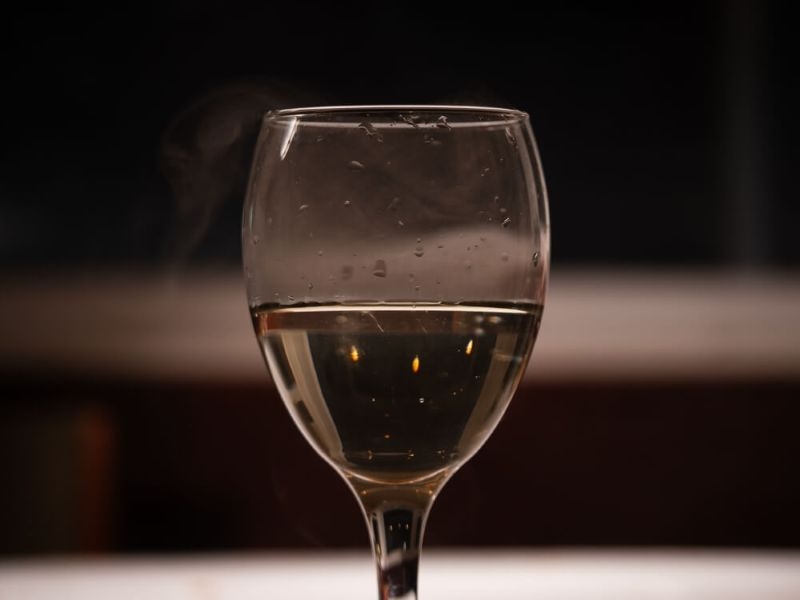
White wine and spice do not seem like an obvious pairing, but a handful of whites genuinely surprise you.
Gruner Veltliner from Austria has built its reputation almost entirely on a signature white pepper snap. It is crisp and clean, and that pepper note on the finish is impossible to miss. For anyone curious about spicy white wine, this is the most direct route there.
Orange wines go through extended skin contact during fermentation, which pulls out more texture and aromatic compounds from the grape skins. The result is a wine that often carries dried ginger, turmeric, and warm spice notes you simply do not find in regular whites.
Gewürztraminer takes a floral, exotic approach to spice. Think lychee and rose petal with a ginger edge underneath. It is less about pepper and more about aromatic warmth, which makes it a crowd favorite at the table.
Spicy Wine Pairing: What Works at the Table
Food and wine pairing gets more interesting when spice enters the picture on both sides of the equation.
Pairing Spicy Wine with Food
Bold, savory dishes are where peppery red wines belong. Syrah loves a black pepper-crusted steak or a plate of cured meats. Grenache is a natural partner for slow-cooked lamb and herb-roasted vegetables. Zinfandel's jammy warmth holds its own against sweet and smoky BBQ without getting lost.
On the white side, Grüner Veltliner's clean pepper finish cuts right through rich, creamy sauces and works well with white fish or asparagus dishes.
Pairing Wine with Spicy Food
A few things to keep in mind before you pour:
- High-alcohol reds and spicy food are a bad match. The alcohol fans the flames and makes the heat feel more aggressive on the palate.
- Heavy tannins clash with spice. The combination tends to taste bitter and harsh rather than balanced.
- Off-dry whites like Riesling work well with chili heat. A touch of sweetness in the wine softens the burn without competing with the food.
- Sparkling wine is an underrated choice. The bubbles and acidity refresh your palate between bites of something fiery.
How to Shop for Spicy Wine
A few pointers that make finding the right bottle much easier.
- Start with the region. Cool-climate areas reliably produce the most peppery wines. Look for bottles from the Northern Rhône in France, Priorat or Rioja in Spain, Wachau in Austria, and Mendoza in Argentina.
- Use the back label as a guide. Tasting notes that mention "peppery," "savory," "herbal," or "spiced" are a reliable signal that you are heading in the right direction.
- Seek out old vine wines. Older vines concentrate flavors more intensely. Bottles labeled "old vine" in the Syrah or Grenache category tend to deliver noticeably richer spice character.
More to explore: Perfect Champagne Food Pairing Ideas for Every Occasion
Conclusion
Spicy wine rewards curious drinkers. Once you know what to look for and understand why certain grapes taste the way they do, every bottle tells a different story. Start with a French Syrah or a Spanish Garnacha. Branch out from there into Zinfandel, Malbec, or even a crisp Grüner Veltliner for a completely different take on spice. The category is wide, the options are genuinely exciting, and the best bottle is always the next one you try.
Frequently Asked Questions
Does the age of a spicy wine change its pepper character over time?
Yes, it does. Rotundone gradually fades as a wine ages, which means a young Syrah will taste noticeably more peppery than the same bottle opened ten years later. If you love that bold pepper punch, drinking peppery red wines young and fresh is usually the better call.
Is spicy wine higher in alcohol than regular wine?
Not necessarily. Alcohol level depends more on the grape's sugar content and the climate where it was grown than on its spice character. A cool-climate Syrah can be quite peppery while staying at a moderate alcohol level, whereas a warm-climate Shiraz may have higher alcohol but noticeably less pepper on the palate.
Can you cook with spicy wine, and does the pepper flavor carry through into the food?
You can absolutely cook with peppery wines, and yes, some of that spice does transfer into the dish. A Syrah-based red wine reduction for steak or lamb is a great example. The rotundone survives moderate heat and adds a subtle savory, peppery depth to sauces that regular cooking wine simply cannot replicate.
This content was created by AI
No keywords available