Styles Of Wine That Shape Taste And Drinking Choices Today

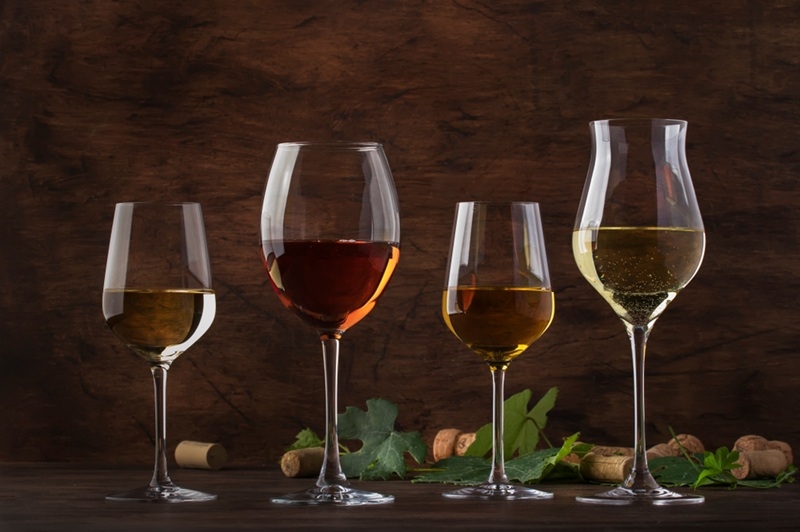
Wine feels simple at first, but Styles of Wine show how wide and rich the world really is. Many people see Sparkling Wine, Light-Bodied White Wine, and Full-Bodied Red Wine and think only about taste, but wine styles explain structure, body, and feel. Styles of Wine help people know why Rosé Wine feels fresh or why Dessert Wine tastes thick and sweet. Understanding this topic builds confidence fast, and choices become easier and more enjoyable over time.
What Are the Styles Of Wine And Why They Matter
Styles of Wine describe how wine feels in the mouth, not just what grape it uses. This includes body, sweetness, acidity, and texture. These elements shape the drinking experience more than many expect.
Wine experts often group wine styles because structure stays consistent even when grapes change. A person who likes Light-Bodied Red Wine often enjoys similar styles from different regions.
What this really means is simple
- Styles guide buying decisions
- Styles help predict taste and weight
- Styles improve pairing with food
- Styles reduce confusion for beginners
Learning Styles of Wine builds real understanding, not guesswork.
Get insights on: Perfect New Year’s Wine Pairings For Every Celebration Menu
Sparkling Wine And Its Crisp Lively Style
Sparkling wine stands out because bubbles create energy and freshness. This style feels bright, and the texture feels light yet sharp. Carbonation lifts flavors and cleans the mouth.
Common traits of Sparkling Wine
- High acidity
- Light to medium body
- Fresh fruit flavors
- Dry or sweet versions
Many people connect Sparkling Wine with celebrations, but it works well with daily meals too. Fried food pairs well because bubbles cut through oil. Sparkling wine remains one of the easiest wine styles to enjoy.
Bodied White Wine And Its Gentle Character
Light-Bodied White Wine feels soft and easy. Alcohol stays lower, and the texture feels thinner than in heavier wines. This style suits warm weather and light meals.
Key features include
- High freshness
- Low alcohol
- Citrus and green fruit taste
- Clean finish
Examples often include wines with a structure similar to that of the Pinot Grigio style. Light-Bodied White Wine works well with salads and seafood.
People who prefer refreshing drinks usually enjoy Light-Bodied White Wine more than heavy options. This is one of the most loved Styles of Wine for beginners.
Bodied White Wine And Its Rich Texture
Full-Bodied White Wine brings weight and depth. Texture feels creamy, and flavors last longer. Oak aging often adds vanilla or spice notes.
Typical characteristics include
- Higher alcohol
- Fuller mouthfeel
- Rich fruit flavors
- Smooth texture
Many compare this to Chardonnay structure. Full-bodied white wine pairs well with roasted chicken or creamy pasta.
Some drinkers feel surprised by how strong Full-Bodied White Wine can feel. This shows how wine styles shape expectation and experience.
Aromatic Sweet White Wine And Its Expressive Nature
Aromatic, sweet White Wine emphasizes strong aromas and sweetness. This style feels intense even before tasting.
Common traits include
- Floral aroma
- Noticeable sweetness
- Lower alcohol sometimes
- Smooth finish
These wines often remind people of flowers or honey. Aromatic, sweet White Wine works well with spicy food because the sweetness balances the heat.
Among all Styles of Wine, this one feels most expressive and easy to recognize. Many beginners enjoy Aromatic, sweet White Wine early in their journey.
Rosé Wine And Its Balanced Fresh Style
Rosé Wine sits between white and red in structure. Color appears pink, but style matters more than color alone.
Key qualities include
- Light to medium body
- Fresh acidity
- Red fruit flavors
- Dry or sweet versions
Rosé Wine works well in warm weather and social settings. Texture feels refreshing but still holds character.
Many people do not realize that Rosé Wine belongs to its own wine style category. It offers balance that feels very versatile.
Light-bodied red Wine And Its Smooth, Drinking Style
Light-bodied red Wine feels softer than heavier reds. Tannins stay lower, and the texture feels gentle.
Important features include
- Light structure
- Higher acidity
- Fresh red fruit taste
- Smooth finish
This style often works well slightly chilled. Light-bodied red Wine pairs well with chicken or simple meals.
People who find heavy reds too strong often prefer Light-Bodied Red Wine. This makes it one of the most friendly Styles of Wine available.
Uncover: Understand How Long Is Wine Good After Opening The Bottles
Medium-bodied red Wine And Its Balanced Strength
Medium-bodied red Wine offers a balance between light and heavy. Structure feels firm but not overwhelming.
Typical traits include
- Moderate tannins
- Balanced acidity
- Rich fruit flavor
- Smooth texture
Many popular wines fall into this category. Medium-bodied red Wine pairs well with grilled food.
This category helps bridge the gap between extremes. Many drinkers stay loyal to Medium-Bodied Red Wine once they understand its place in wine styles.
Full-bodied red Wine And Its Powerful Structure
Full-bodied red Wine feels bold and heavy. Tannins create dryness, and alcohol feels stronger.
Key characteristics include
- Strong tannins
- Deep flavors
- Long finish
- High alcohol
Steak pairs very well with Full-Bodied Red Wine because its structure matches the richness of the meat.
This style shows how intense Styles of Wine can become. Full-bodied red Wine creates lasting impressions for experienced drinkers.
Dessert Wine And Its Sweet Concentrated Style
Dessert Wine focuses on sweetness and richness. Texture feels thick, and flavors stay intense.
Common features include
- High sugar
- Full texture
- Strong flavor
- Long finish
Dessert Wine pairs well with desserts or cheese. Small servings feel enough because the sweetness feels strong.
Many people enjoy Dessert Wine at the end of meals. This remains one of the most unique wine styles.
How Styles Of Wine Help With Food Pairing
Understanding Styles of Wine improves food pairing quickly. Body and acidity matter most.
Simple pairing ideas include
- Sparkling wine with fried food
- Light-Bodied White Wine with seafood
- Full-Bodied White Wine with creamy meals
- Rosé Wine with salads
- Light-Bodied Red Wine with chicken
- Medium-Bodied Red Wine with grilled food
- Full-Bodied Red Wine with steak
- Dessert Wine with sweets
These combinations work because the structure stays balanced.
Knowing wine styles prevents bad matches and improves enjoyment.
How To Choose Styles Of Wine With Confidence
The choice becomes simpler when there are easy steps to follow.
The following points need to be focused on
- Body weight needs to be taken into consideration
- The level of sweetness also needs to be considered
- It needs to be matched with food
- Different styles of wine need to be tried
Experience will naturally develop with time. People may begin with Light-Bodied White Wine or Rosé Wine before progressing to more full-bodied wines.
Confidence grows as understanding improves.
Expand Your Knowledge: The Best Red Wines To Pair With A Vegetarian Diet
Conclusion
Styles of Wine help explain taste, body, and structure clearly. Sparkling, white, red, Rosé Wine, and Dessert Wine all offer different experiences. Learning wine styles improves food pairing and buying decisions. This knowledge makes wine feel less confusing and much more enjoyable for everyone over time.
FAQs
What are the Styles Of Wine?
Styles of Wine describe how wine feels in the mouth, including body, sweetness, acidity, and texture, rather than grape type alone.
Is Sparkling Wine a Style of Wine?
Yes, Sparkling Wine is one of the main wine styles. Its bubbles and fresh acidity create a unique drinking experience.
Which Styles Of Wine Are Best For Beginners?
Many beginners enjoy Light-Bodied White Wine, Rosé Wine, and Light-Bodied Red Wine because their textures feel softer and easier to drink.
Why Is Dessert Wine So Sweet?
Dessert Wine has higher sugar levels, which give it a sweeter taste and a thicker texture compared to other wine styles.
This content was created by AI
No keywords available