What Makes Barbera Wine So Popular Among Its Peers?

Quick Takeaways
- Barbera ranks as the third most planted red grape variety in Italy, trailing only Sangiovese and Montepulciano in total production.
- High natural acidity and low tannin levels make this red wine exceptionally friendly for food pairings and everyday meals.
- Piedmont produces the finest expressions of this dark grape, particularly within the famous Barbera d'Asti and Barbera d'Alba appellations.
- Modern winemakers frequently use oak aging to add structure, rich vanilla notes, and aging potential to bottle releases.
- Budget-friendly pricing allows enthusiasts to enjoy authentic Italian craftsmanship without paying premium prices charged for Barolo.
Have you ever opened a bottle of red wine hoping for something vibrant, juicy, and effortless to pair with dinner? It is a common challenge for wine lovers everywhere. Finding a bottle that balances rich fruit flavors with approachable tannins often feels tricky.
If you want a versatile pour, Barbera wine is an absolute hidden gem. Historical records show this classic variety has grown in northern Italy since the thirteenth century. Data from Italian agricultural registries confirms that over 13,000 hectares of vineyards are dedicated to growing the Barbera wine grape today. This robust red offers high natural acidity paired with soft, approachable tannins.
In this comprehensive guide, we will explore the origins of the Barbera grape, examine the distinctive Barbera wine flavor profile, review top global Barbera wine regions, and share practical pairing advice for your next dinner party.
The History and Origins of the Barbera Grape
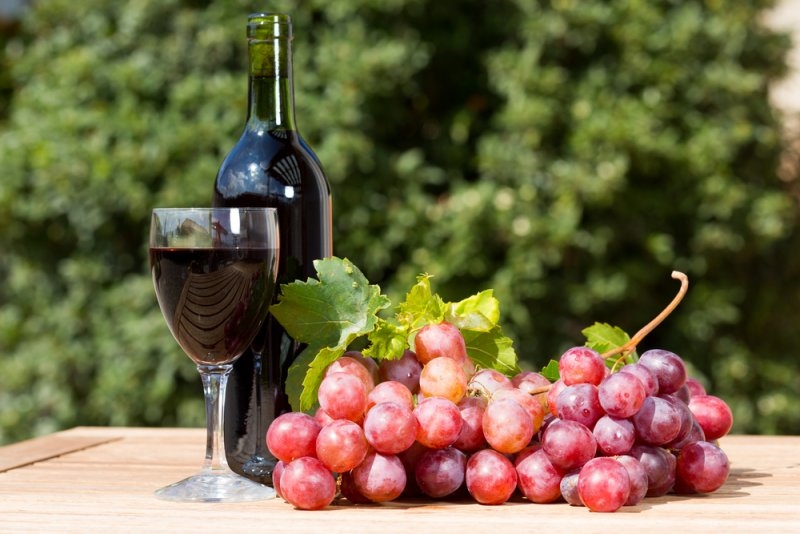
The origins of the Barbera grape trace back to the rolling hills of Monferrato in Piedmont, Italy. Historical documents in the cathedral of Casale Monferrato mention leases of vineyard land planted with this variety as early as 1246.
Unlike Nebbiolo, which was historically reserved for nobility, local farmers cultivated this resilient vine as an everyday table drink. It provided reliable yields and high acidity. This balance sustained vineyard workers through long harvest days. Over centuries, winemakers refined their viticultural techniques to transform this humble grape into a globally respected red wine.
Exploring the Unique Barbera Wine Flavor Profile
Understanding the Barbera wine taste begins with its striking appearance and bright acidity. The grape skins possess deep purple pigments that yield a dark, almost opaque color in the glass. However, its body feels light to medium on the palate.
| Primary Flavors | Structural Elements |
| Fresh Black Cherry | High Natural Acidity |
| Ripe Red Plum | Low to Medium Tannins |
| Tart Blackberry | Deep Ruby Color |
| Dried Herbs and Spice | Moderate Alcohol Content |
The primary Barbera wine characteristics include vibrant notes of red cherry, tart plum, and wild blackberry. Underneath the primary fruit notes, subtle hints of licorice, black pepper, and dried oregano emerge. Un-oaked versions highlight fresh fruit notes. Oak-aged expressions introduce rich layers of vanilla, nutmeg, and toasted oak.
Try This: Explore the Best Italian Wineries: Where Tradition Meets Modern Winemaking
Top Barbera Wine Regions Around the World
While Italy remains its spiritual home, adventurous winemakers across the globe now cultivate this adaptable vine. Climate and soil compositions greatly influence the final style in your glass.
| Wine Region | Country | Dominant Style | Key Characteristics |
| Barbera d'Asti | Italy | Elegant & Vibrant | High acidity, crisp red fruit, mineral notes |
| Barbera d'Alba | Italy | Full-Bodied | Richer structure, darker fruit, oak influence |
| Sierra Foothills | United States | Fruit Forward | Ripe blackberry, plush mouthfeel, higher alcohol |
| Mendoza | Argentina | Juicy & Soft | Lush plum notes, smooth finish, approachable |
Piedmont produces the ultimate expressions under strict DOCG rules. However, California regions like Amador County and the Sierra Foothills yield warm climate expressions with plush fruit and lower acid levels.
| Denomination | Key Features |
| Barbera d'Asti DOCG | Bright acid, elegant |
| Barbera d'Alba DOC | Brooding, plush body |
| Nizza DOCG | Barrel-aged, premium |
Perfect Food Pairings for Barbera Wine
Finding a great match for your dinner is remarkably simple with high-acid red wines. Low tannin levels prevent the wine from clashing with delicate savory dishes or rich fatty meats.
Classic Italian Pairings
Match this red with traditional Piedmontese dishes like agnolotti pasta, mushroom risotto, or wood-fired pizza Margherita. The natural acidity cuts right through rich tomato sauces and creamy cheeses effortlessly.
Everyday Comfort Foods
Enjoy a glass alongside juicy bacon cheeseburgers, grilled pork chops, or roasted chicken. The bright cherry notes lift the savory flavors of roasted meats and grilled vegetables.
How to Serve and Store Your Bottle?
Serving temperature plays a vital role in enjoying your wine to the fullest. Serve your bottle slightly cool, ideally between 60°F and 65°F. A brief fifteen-minute chill in the refrigerator before serving brings out fresh berry fruit notes.
Standard releases do not require prolonged cellar aging. Most bottles taste best within three to five years of their vintage date. Premium oak-aged bottles, such as those from the Nizza DOCG, can age gracefully for up to ten years in a cool, dark environment.
Conclusion
Understanding the unique appeal of Barbera wine makes discovering Italian viticulture an absolute joy. Throughout this article, we explored how centuries of winemaking heritage in Piedmont produced a versatile red wine celebrated for bright cherry flavors, soft tannins, and refreshing acidity. We examined top growing regions like Asti and Alba, highlighted global expressions from California, and shared practical food pairing ideas ranging from rich tomato pastas to grilled meats. This grape provides extraordinary value for food lovers, budget-conscious drinkers, and cellar collectors alike.
Finding authentic bottles crafted by passionate family growers elevates your entire dining experience at home. Exploring a curated selection of fine Italian imports helps you discover hidden vineyard gems without guesswork. Visit our online cellar today to explore handpicked vintages, enjoy exclusive discounts, and bring the authentic taste of Italian winemaking straight to your doorstep.
FAQs
What is the Ideal Serving Temperature for Fresh Red Wines?
Serving red wine slightly chilled between 60°F and 65°F highlights bright fruit flavors while keeping high acidity balanced. Placing your bottle in the refrigerator for twenty minutes before opening achieves this ideal temperature easily.
How Long Does an Opened Bottle of Italian Red Remain Fresh?
An opened bottle stored with a tight cork in the refrigerator stays fresh for three to five days. The high natural acidity helps preserve delicate fruit aromas longer than low-acid red varieties like Pinot Noir or Merlot.
Are There Organic and Biodynamic Options Available From Piedmont?
Many modern producers in Asti and Alba utilize certified organic and biodynamic farming methods in their vineyards. These sustainable practices protect soil biodiversity and yield pristine grapes that showcase authentic regional terroir in every single bottle.
How Does Soil Type Influence Vineyard Yields in Northern Italy?
Limestone and clay soils in Piedmont regulate water retention and vine vigor naturally. These nutrient-rich soils allow grapes to develop complex fruit flavors while maintaining the crisp acidity that defines traditional northern Italian winemaking.
What Glassware Works Best for Enjoying Dark Red Wines?
A standard medium-sized Bordeaux glass or a universal red wine glass works best for serving dark red wines. The wide bowl allows optimal oxygen exposure to unlock delicate red fruit, floral, and spice aromas effortlessly.
This content was created by AI
No keywords available