Which Wine Glass Types Really Fit Every Wine You Pour?

Key Takeaways
- A wine glass shape does more than make things look nice.
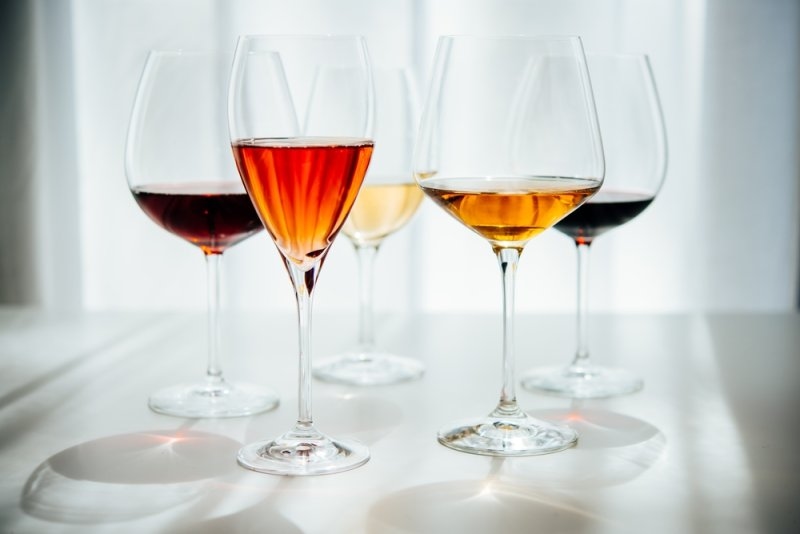
- Red wine glasses lean toward wider bowls so bold flavors have room to open up.
- White wine glasses stick to narrower bowls that keep delicate aromas cool and fresh.
- Wine glass shapes change how much air reaches the wine before it hits your tongue.
- Honestly, the best wine glasses for most homes are simple, all-purpose ones.
- Getting familiar with the types of wine glasses out there makes shopping way less confusing.
Here's the thing about wine glasses: most people don't think twice about them until they notice a bottle tastes different in a fancy glass versus a jam jar. That's not your imagination. The shape of the glass genuinely changes how aroma reaches your nose and where the wine lands on your tongue. Once you get a handle on wine glass types, picking one out for dinner, a gift, or your own kitchen shelf stops feeling like guesswork.
What Are Wine Glass Types and Why Do They Matter?
At the simplest level, wine glass types are just different shapes built for different wines. Some send more air into the glass, some hold it back. A glass made for a heavy red won't do a delicate white any favors, and vice versa. Once you see why the shapes differ, the whole idea stops feeling overly fussy or pretentious.
Types of Wine Glasses You Should Know
There's a small handful of core types of wine glasses worth knowing, and honestly, each one has its own little sub-shapes too. Once you know these, you can build a useful collection instead of just grabbing whatever looks nice on a shelf. Here's the rundown, subtypes included.
1. Red Wine Glasses
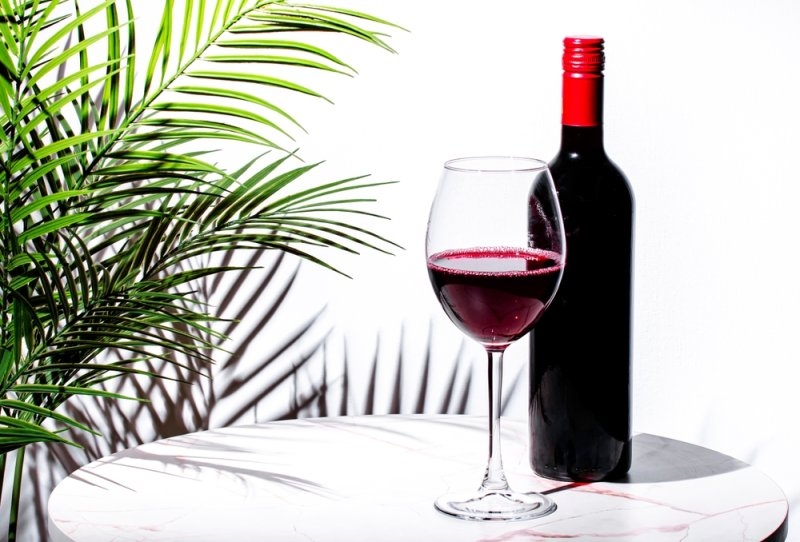
Red wine glasses tend to have a wide, generous bowl, and that's not by accident. More surface area means more air touching the wine, which softens harsh tannins and coaxes out deeper aromas. But not every red glass is built the same way, so here are the two you'll bump into most.
- Bordeaux Glass: Tall with a broad bowl, made for full-bodied reds like Cabernet Sauvignon and Merlot. The height sends the wine toward the back of your tongue, taking some of the bite out of it.
- Burgundy Glass: Wider and rounder than a Bordeaux glass, meant for lighter, more perfumed reds like Pinot Noir. That extra-wide bowl traps aroma and really lets it build.
2. White Wine Glasses
White wine glasses are usually narrower and a bit more upright than reds. That tighter shape keeps the wine cooler for longer and stops those lighter aromas from just floating away. A couple of specific shapes are worth knowing here too.
- Chardonnay Glass: A slightly wider bowl than most whites get, since oaked Chardonnay has more body and actually benefits from a bit of extra air.
- Sauvignon Blanc Glass: Smaller and narrower, built to hang onto that sharp, zesty acidity these wines are known for.
Curious about the lighter end of things? Our guide on crisp white wine types is worth a look for flavor ideas.
3. Sparkling Wine Flutes
Flutes are the tall, skinny glasses made for Champagne and other sparkling wines, and there's a real reason behind the shape. The narrow body slows down how fast the bubbles escape, so your glass stays lively for longer. That said, flutes aren't the only game in town for sparkling wine.
- Classic Flute: Tall and slim, keeps the bubbles going and looks the part for toasts.
- Tulip Glass: Basically a flute with a slightly flared top, so you get good bubble retention plus a bit more room for aroma.
- Coupe Glass: Wide, shallow, and pretty old-school looking, though it loses fizz faster than the other two.
4. Universal or All-Purpose Glasses
Universal glasses try to cover a bit of everything, handling reds, whites, and even some sparkling wines reasonably well. They're a smart pick if you'd rather not stuff your cabinet with five different shapes. Sure, they won't beat a glass built for one specific wine, but for a random Tuesday dinner, they do the job just fine.
5. Stemless Wine Glasses
Stemless glasses ditch the stem entirely and just look like a regular drinking glass. They're more casual, way harder to knock over, and great for picnics or hanging out on the patio. The trade-off is your hand ends up warming the wine a little faster than it would with a stemmed one.
Wine Glass Shapes and What They Actually Do
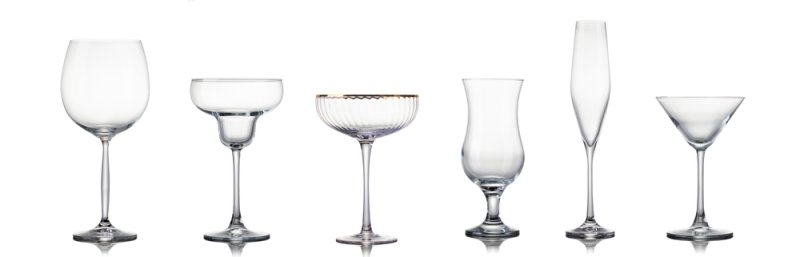
Wine glass shapes aren't just a design choice; they genuinely change how a wine tastes in your mouth. A wider bowl lets in more oxygen, while a narrower one holds the wine back and keeps things tighter. Even the rim matters, since it decides where the wine first hits your tongue.
| Shape Feature | Common Effect | Best Suited For |
| Wide, rounded bowl | More air contact, softer tannins | Bold red wines |
| Narrow, tall bowl | Cooler temperature, focused aroma | Crisp white wines |
| Slim, elongated flute | Slower bubble loss | Sparkling wines |
| Tapered rim | Directs flow to tongue tip | Sweeter wine styles |
How to Choose the Best Wine Glasses for Your Home?
You really don't need a huge budget or a wine snob's checklist to pick out the best wine glasses. A few practical details matter far more than brand names ever will.
- Start with one solid all-purpose glass before chasing specialty shapes.
- Go for thin rims; they make sipping smoother, and flavor comes through cleaner.
- Stick with clear glass since tinted glass hides what the wine actually looks like.
- Check the stem length so your hand doesn't accidentally warm up the bowl.
- Buy in sets of four or six, because let's be honest, glasses break.
Wine Glass Etiquette and Everyday Care
Even a perfectly shaped glass won't do much good if it's not handled right during a meal. Holding it by the stem keeps your palm from heating up the wine without you realizing it. Want more on this? Our piece on how to hold a wine glass covers the etiquette side in detail. Washing glasses by hand, rather than tossing them in the dishwasher, also keeps them clear and scratch-free for much longer.
Common Mistakes to Avoid When Buying Wine Glasses
A lot of people spend more than they need to without actually improving their drinking experience. One common slip is buying only one shape when you drink both reds and whites regularly. Skipping stemless glasses entirely is another, since they're genuinely handy for outdoor gatherings or casual nights. Function and comfort should come before trends or flashy branding every single time.
Final Thoughts on Picking the Right Wine Glass
You don't need to be a sommelier to get this right. A couple of well-chosen wine glass types can make a real, noticeable difference in how your favorite bottles taste at home. Start small, add specialty shapes as you go, and let your own taste guide the rest.
FAQs
1. What is the main difference between wine glass types?
Honestly, it comes down to bowl width, glass height, and rim shape. Those small tweaks change how much air gets in, how strong the aroma feels, and where the wine hits your tongue first.
2. Do red wine glasses really need a bigger bowl?
Pretty much. A wider bowl lets more air reach the wine, which softens sharp tannins and brings out deeper aromas. Bold reds just taste rounder and smoother this way compared to a narrower glass.
3. Can I use one glass for both red and white wine?
You can get away with it, especially with a universal glass for casual nights. Still, dedicated red wine glasses and white wine glasses each do a better job with aroma and temperature for their wine.
4. Why do sparkling wine glasses look so different?
That tall, skinny shape isn't just for looks; it slows down how fast bubbles escape so your Champagne stays fizzy longer. The narrow rim also directs aroma right up toward your nose with every sip.
5. Are expensive wine glasses actually worth buying?
Not really, in most cases. A lot of budget-friendly options hold their own against pricier ones. What actually matters is a thin rim, clear glass, and a comfortable stem, not the brand stamped on the box.
This content was created by AI
No keywords available