5 Emerging Wine Regions for You to Explore Before the Rush

Key Takeaways
- Skipping famous European valleys saves massive amounts of cash on tasting fees and overrated restaurant bills.
- Rising global temperatures push vineyard borders into unexpected northern countries, producing incredible new flavors.
- Hunting down quiet farming towns guarantees uncrowded tours without dealing with loud tourist buses and scripted guides.
Drinking famous bottles from historic French valleys costs serious money today. Everyone already knows the big names in California and Italy. Showing up to those classic spots just means fighting huge crowds and paying heavy tourist taxes. Smart drinkers look elsewhere. Exploring quiet farming borders reveals crazy good bottles selling for low prices. Changing global weather totally rewrote the map. Farmers plant vines in spots nobody cared about ten years ago. Exploring these hidden valleys means finding amazing drinks before rich collectors ruin the local prices.
Must Read: Types of Red Wine: A Guide to Styles, Flavors and Sweetness
5 Emerging Wine Regions That People Must Visit
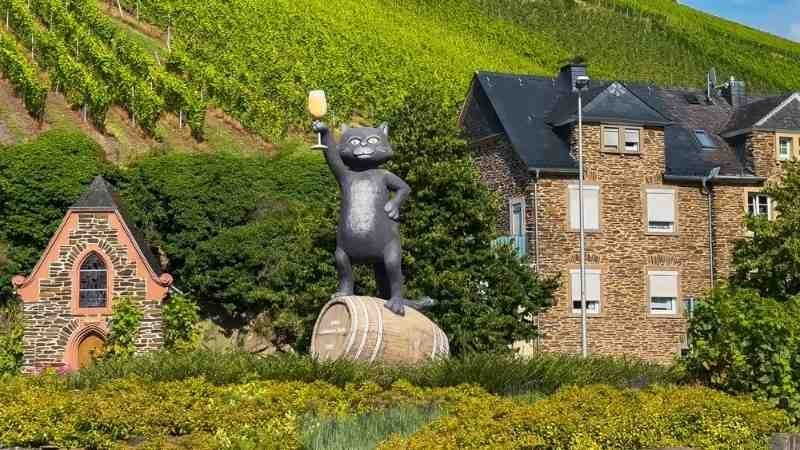
Skip the usual expensive plane tickets to famous spots. These quiet valleys currently produce incredible bottles before the massive tourist buses figure out exactly where they sit on the map.
1. Valle de Guadalupe, Mexico
Dusty dirt roads lead to incredible outdoor restaurants pouring salty, dark reds. The area feels wild and skips the stuffy snobbery of classic spots. Farm animals roam near the tasting tables, and the vibe stays incredibly relaxed all day.
2. Tasmania, Australia
Cold winds blow constantly across this island. That extreme chill creates perfect conditions for crisp sparkling drinks that rival expensive French bottles for half the cost. Producers here take huge risks with strange harvesting times to lock in crazy acidic flavors.
3. Okanagan Valley, Canada
Deep lakes and hot summers make this northern strip a secret powerhouse. Farmers here grow intense, fruity grapes right next to massive pine forests. The short growing window forces plants to work harder, delivering giant flavors without the heavy syrup texture.
4. Bekaa Valley, Lebanon
Generations of tough farmers keep making incredible bottles despite crazy local conflicts. The high altitude delivers rich, spicy flavors nobody expects. Ancient Roman ruins sit right next to the active sorting tables, keeping ancient agricultural traditions alive.
5. Franciacorta, Italy
Most people just buy cheap Prosecco. This hidden northern pocket makes insanely good bubbly drinks using strict old-school methods without the massive tourist traps. Drinkers get the exact same quality as famous French champagne without paying for a fancy marketing budget.
Top Pick: Why is Natural Wine Popular: A Detailed Guide to Buying Well
How to Find the New Wine Regions: Step-by-Step
Stumbling onto the next big spot requires ditching standard travel guides entirely. Looking at the exact opposite of where everyone else goes uncovers the best dirt roads.
1. Track the Weather Maps
Farmers constantly move further north to escape brutal summer heat. Following cooler climate zones directly points toward the newest experimental planting grounds before anyone else writes about them.
2. Watch the Import Labels
Check the back of bottles sold at small independent bottle shops. Seeing a strange town name pop up three times means that specific spot is gaining serious traction fast.
3. Talk to Local Pours
Bartenders at quiet neighborhood restaurants always know what the cool kids drink. Asking them what weird bottles they buy for themselves reveals totally hidden farming towns.
What Makes the Underrated Wine Regions Stand Out?
Famous valleys run like massive corporate factories. Quiet farming spots deliver a totally raw experience that feels exactly like stepping back in time twenty years.
1. Meeting the Actual Farmers
Massive estates hire fancy tour guides reading boring scripts. Small towns let visitors actually drink directly with the guy with dirt stuck under his fingernails. Real conversations replace corporate presentations.
2. Crazy Cheap Bottles
Without a famous regional name attached, producers cannot charge ridiculous markup prices. Buyers get top-tier quality for the exact price of cheap grocery store junk. The value remains untouchable.
3. Weird Grape Varieties
Classic spots only grow three famous types of fruit. Unknown towns experiment with totally bizarre local plants that taste completely different from anything else. Drinkers experience rare flavors ignored by the mainstream markets.
Things to Consider for Finding the Top Wine Regions to Watch
Not every random dirt road actually makes a good drink. Picking the right spot to visit requires looking for a few solid clues before booking a cheap flight.
1. Check Local Food Scenes
Great drinks always follow amazing food. If weird chefs start opening tiny restaurants in a random farming valley, the local bottles are probably excellent. Great cooks demand great ingredients nearby.
2. Look for College Towns
Young agriculture students usually start cheap farm projects near their universities. Lots of weird experimentation happens fast when broke kids try to make a profit using bizarre farming techniques.
3. Follow the Dirt Roads
Paved highways and massive welcome signs usually mean the spot got too famous. The best glasses always sit at the end of a terrible gravel driveway with zero mobile phone service.
Conclusion
Stop wasting heavy cash visiting the same overcrowded tourist traps every single summer. The drink map changed, and following the old rules just burns money. Booking a cheap flight to unexpected spots guarantees weird flavors and totally quiet tasting rooms. Getting into these emerging wine regions right now secures cheap access before the fancy magazines ruin the vibe. Hit the dirt roads, talk to real farmers, and fill the cellar before the massive tour buses finally show up.
Frequently Asked Questions
How do international shipping laws affect buying bottles from obscure countries?
Buying directly from unknown foreign farms triggers messy import taxes. Most small producers lack export licenses entirely. Tourists usually must physically pack bottles inside hard travel cases in checked luggage instead of mailing expensive cases home.
Do unknown farming valleys focus heavily on natural production methods?
Yes. Small farmers usually lack the cash to buy expensive chemical sprays or massive machinery. They rely heavily on old-school organic farming just out of absolute necessity, creating very funky, unfiltered drinks that taste wild.
Can regular tourists actually invest in young vineyards overseas?
Buying raw land in untested valleys requires massive risk. Unless someone actually lives there to manage the dirt daily, wild local weather swings quickly wipe out the entire financial investment before a single bottle gets sold.
Where should buyers look online to order bottles from these unknown spots?
Big grocery chains ignore small towns completely. Finding weird bottles requires shopping strictly through independent digital importers that specifically hunt down tiny, unknown foreign producers and ship the stock locally.
What is the proper etiquette when visiting tiny, unknown tasting rooms?
Never expect fancy cheese boards or a formal seating chart. Call ahead because the owner probably drives a tractor all day. Show up on time, respect the dirt, and buy at least two bottles before leaving the property.
This content was created by AI
No keywords available