Types of Red Wine: A Guide to Styles, Flavors and Sweetness


Key Takeaways
- Types of Red Wine are largely classified based on their body, level of tannins, sweetness, acidity, and taste.
- There are light-bodied red wines, medium-bodied red wines, and full-bodied red wines, which provide different tastes and pair with different food combinations.
- Sweet Red Wines have varieties that include lightly sparkling and dessert wines.
The experience of walking through the wine aisle can be quite daunting, particularly with numerous grape varieties, places, and other aspects trying to get one's attention. Nonetheless, knowing at least the major classes of red wines will make picking up a wine bottle quite simple.
The most straightforward way of trying out different types of red wines is by paying attention to the sensory characteristics of the particular kind of wine. Such characteristics as body, tannins, sweetness, acidity, and alcohol content play an important role, rather than just labels.
Different kinds of wines, ranging from light wines with fresh fruit tastes to bold ones, are suited to different occasions.
Classification of Various Types of Red Wines
Red wines are normally classified by the body of the wine. The body of a red wine is an indicator of its mouthfeel, which may be described as light, medium, or full.
The tannins are another important component of a red wine. Tannins are naturally occurring substances that are found in grape skin, seed, and stalk and give the dry sensation experienced when drinking a red wine. A wine with high levels of tannins may require aging or food pairing for optimal experience.
The acidity in a wine makes it fresh while alcohol provides warmth and fullness. Residual sugar will determine whether the wine will taste dry, semi-sweet, or sweet.
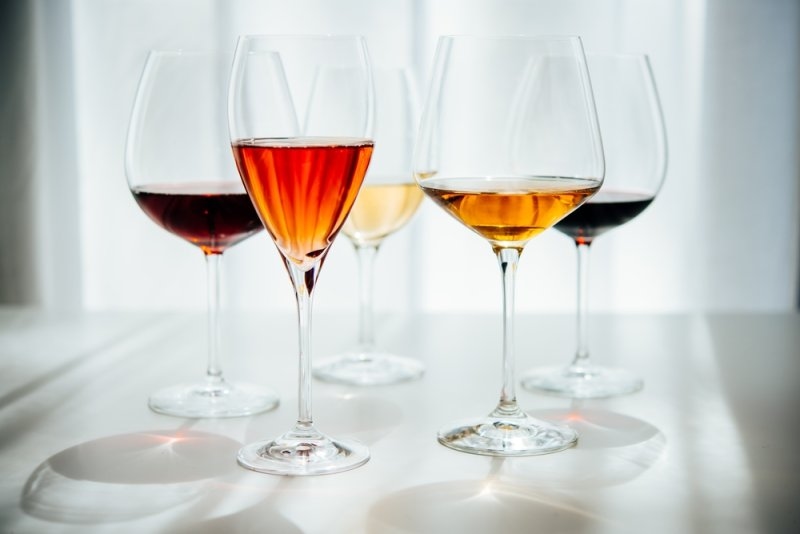
The color of the wine can offer some insights into how the wine is going to taste, but it does not give the complete picture. For instance, a wine with a pale ruby color suggests a lighter wine, while a deep purple color shows that the wine is more concentrated. However, the grape variety, climate, and winemaking play a key role.
For instance, Pinot Noir is usually known to be a lighter type of wine, whereas Cabernet Sauvignon usually makes deeper and more complex wines. Nevertheless, climate conditions may result in the variation of grapes of the same type.
Also check: Red Wine vs. White Wine: Differences, Benefits & Pairings
Light-Bodied Red Wines: Refreshing, Bright, and Inviting
Light-bodied red wines are famous for having a light body, less tannin, and a fruity flavor profile. They are considered as being good choices for people who like light and smooth wines.
The taste of such wines can be described by red berry fruits, cherry, raspberry, floral notes, and even slight earthy notes. Due to their lightness, these wines can be easily consumed solo or even matched with a variety of meals.
Some examples of light red wine styles are Pinot Noir, Gamay, and some Grenache wines. The popularity of Pinot Noir is explained by its elegant and harmonious combination of bright fruit flavors, tannins, and freshness.
Gamay is another example of a light red wine which is usually found in the Beaujolais region. The wines made from these grapes are usually juicy and vibrant, and they should be drunk rather young.
The light red wines fit well with meals that do not need a strong wine. Such wines are great companions for roasted chicken, grilled fish, mushroom meals, soft cheeses, and lighter pasta dishes.
The serving temperature also influences the way these wines taste. Unlike full-bodied wines that are served warm, light-bodied wines can be served at a slightly cooler temperature of about 12-14°C.
Medium-Bodied Red Wines: Balance Between Light and Full Wines
In addition, medium-bodied red wines offer a balance between light-bodied wines and full-bodied ones. In other words, they combine enough body to match food while being friendly and accessible.
Moderate tannins, acidity, a combination of red and dark fruits, and versatility in many cases make this type of wine one of the best options. Merlot, Sangiovese, Tempranillo, and some types of Grenache are popular examples.
Merlot is characterized by softness and plum flavors; Sangiovese offers bright acidity and flavors of cherry; Tempranillo, which is often related to Spanish wines, contains a combination of red fruits, earthy, and spicy flavors.
This makes it a perfect choice for casual meals and dinner parties. For those uncertain about what type of wine to serve their guests, medium-bodied reds could be your best bet since they go well with foods like pizzas, burgers, grilled vegetables, pasta cooked in tomato sauce, and pork meals.
The fact that medium-bodied red wines have an ideal balance makes them perfect for someone moving up from light wines to strong wines.
Full-Bodied Red Wines: Intense, Structured and Bold
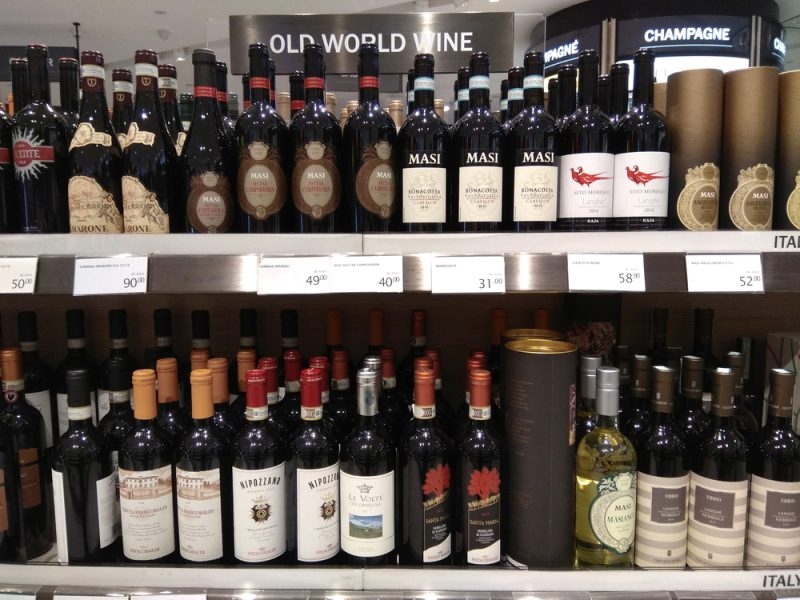
Full-bodied red wines are characterized by their intensity, structure and boldness. They normally have high amounts of tannin and alcohol content which make them feel more powerful than other types of wines.
This type of wine is mostly made from thicker-skinned grapes grown in hotter areas. As a result of more exposure to sunlight, the grape develops concentrated flavors and produces wines that have intense fruit flavors.
Examples of full-bodied red wines include; Cabernet Sauvignon, Malbec, Shiraz, Zinfandel and Petite Sirah.
They are mostly characterized by:
- Flavors of dark berries, blackberry and black cherry
- Plum and dried fruits
- Chocolaty and spice notes, cedar flavor
- Earthiness or smokiness
Because of their bold structure, full-bodied wines go well with heavy meals. Steak, lamb, barbecue, cheese, and stews help reduce the tannin content in the wine.
One mistake frequently made is consuming full-bodied reds without considering food pairing. In the absence of such pairing, high alcohol and tannins could make the wine feel unpleasant. Nonetheless, when paired rightly, such wines can provide some of the most interesting combinations of food and wine.
Service temperature is another aspect that is important in consuming full-bodied wines. Most full-bodied wines should be served at 16-18°C. Wines that have tannins and are quite young could taste better after being allowed to breathe.
Must check: What is Spicy Red Wine? Unraveling the Delicious Mystery
Varieties of Sweet Red Wines: Exploring the Sweeter Reds
Among the varieties of wine, there are sweeter red wine varieties, which are suitable for people who love softer wines, which have more fruity flavor and do not dry the palate as much as traditional dry red wine.
The sweetness of the wines depends on the level of sugar left unfermented in the wines. During the fermentation process, the sugars found in the grapes turn into alcohol. If some amount of sugar is left in the wine after the fermentation process, then the wine becomes sweeter.
There are two types of sweet red wine varieties:
- Those that are naturally fruity
- Intentionally produced as dessert wines
There are sweet red wines that are lightly sparkling to those that are fortified. Some of the examples of sweet red wines include:
- Lambrusco
- Brachetto d’Acqui
- Ruby Port
- Late-harvest red wines
Beginners usually wonder what type of red wine is sweet because red wine is usually associated with a dry and tannic flavor profile. However, it all comes down to preferences.
One of the most popular sweet red wines is Lambrusco. Lambrusco wine comes in different variants, such as dry and sweet wines. Also, it is usually a slightly sparkling wine. This makes it a refreshing wine because of its fruity berry flavors and low alcohol content.
Another example of sweet red wine is Brachetto d'Acqui, which is notable for its fragrant properties. This wine has floral, strawberry, and sweet taste. Due to its refreshing properties, it goes well with fruit-based deserts and chocolate.
Another wine with a totally different taste profile is Ruby Port. Ruby Port is a fortified wine that contains more alcohol. The high level of intensity, sweetness, and dark fruit make it an excellent choice for pairings with nuts, cheese, and chocolate-based deserts.
Choosing Between Different Types of Red Wine
When choosing between red wine varieties, the choice will always depend on personal preferences, food pairing, and occasion.
If you like lighter and more fresh-tasting wines, then wines that have less tannins and more fruit flavor should suit your tastes well. Such wines will be more easily consumed not having any food and good for parties.
If you seek balance, then medium-bodied wines will suit your tastes. Such wines will have enough body to be interesting, but at the same time flexible for different cuisines.
If you are looking for something special for your dinner or richer meals, then full-bodied wines should suit your needs. They will have enough tannins and intensity for balancing fat and protein-rich foods and smoky dishes.
Also, a person may differ in preferences concerning dryness of wines. There are people who like wines without any sugar. However, there are also people who like fruity wines.
An easy way of learning about red wine would be comparing varieties of it. For example, tasting of light Pinot Noir, medium Merlot, and fuller Cabernet Sauvignon will show the difference.
Many beginners wonder what variety of red wine is sweet because usually red wine is related to dry and tannic wines. The answer depends on the degree of sweetness you need.
Food Pairing for Red Wine Varieties
There is no need to make food pairing very complex. The easiest way to do this is by matching the body of the wine to the body of the food.
- Light-bodied wines will always go well with light foods because they may be overpowered by bold foods.
- Medium-bodied wines are more versatile and can pair with a broad range of foods.
- Bold wines will work well with bold foods that will counterbalance them.
Sweet red wines will give you some options when it comes to food pairing. They can provide a contrast to sweet foods, spicy foods, and salty cheeses.
The idea of food pairing should be about balancing the wine and the food and not about following certain guidelines.
Must Read: The Best Red Wines to Pair with a Vegetarian Diet
Conclusion
Knowing about the different types of red wine will be easy when you concentrate on body, taste, sweetness, and pairing with foods instead of getting confused by all the wine vocabulary. No matter whether you like light-bodied red wines that have fresh, fruity flavors, balanced medium-bodied red wines, full-bodied red wines, or sweet red wine varieties, there is a type to suit each taste and occasion. The only way is to try different brands and know your taste.
Frequently Asked Questions
Which of the red wines has the smoothest flavor?
The smoother wines have to do with those wines that have soft tannins since they cause less drying effect. The common examples include merlot, pinot noir and certain grenache wines.
Can a red wine have a fruity flavor without sweetness?
Yes, there are some types of dry red wines that have an intense fruity flavor but with little sugar. Some fruits flavors like cherries, berry, plum and etc.
Are expensive red wines better than cheap ones?
There is no guarantee that the expensive wine will be better than cheap one. One needs to match his style of red wine.
What is the shelf life of red wine once it has been opened?
Generally, the life of opened red wines is up to a few days if stored well. Cooler temperatures will keep the wine fresh for a longer time.
Do you serve all red wines at room temperature?
Not necessarily. Although people tend to connect red wine with room temperature drinking, the correct temperature depends on the type of wine. Lighter red wines may actually need chilling a bit.
This content was created by AI
No keywords available