What Makes a Full-Body Wine Different From a Light-Body Wine

Wine can feel confusing at first. One bottle tastes rich and heavy, another feels almost crisp and easy, yet both are still wine. That difference often comes down to the body. Some wines feel thick, bold, almost meal-like. Others stay lighter, softer, easier to sip. But this isn’t about quality or price. A heavier wine is not automatically better. It simply gives a different experience in the glass. Knowing the difference makes choosing wine less random and far more enjoyable. In this blog, we’ll break down what separates full and light-bodied wines, how to spot them, plus simple ways to pick the right bottle.
Understanding Full Body Wine and Why it Feels Heavier
A full-bodied wine feels rich in your mouth. Heavier. Sometimes creamy or dense, depending on the grape and how it was made. Think of the difference between skim milk and whole milk — same category, very different feel.
The “body” of wine mostly comes from alcohol level, tannins, sugar, and texture. Wines with more alcohol usually feel fuller because alcohol creates a warm, weighty sensation.
Alcohol Content Plays a Bigger Role Than Most People Think
Generally, wines above 13.5% alcohol tend to feel fuller. They coat the mouth more and linger longer. You notice them.
A wine like Cabernet Sauvignon feels bigger partly because of this. It arrives with weight. Sometimes spice, dark fruit, and oak. A light wine rarely does all that at once.
Tannins Add Texture and Grip
Tannins are what create that dry feeling in your mouth, especially in red wine. If your cheeks feel slightly rough after sipping, tannins are probably doing the work.
Full-bodied reds often carry stronger tannins. This makes them feel structured, bold, and even serious at times. Yet balance matters. Too much and the wine becomes hard work.
How Light Body Wine Feels Different in the Glass
A light body wine feels easier, softer, and often fresher. It doesn’t sit heavily on the tongue or stay too long after drinking. You sip it fast without even realizing.
These wines are usually lower in alcohol and tannins. Less weight. Less intensity.
Fruit Flavors Often Feel Brighter
Light-bodied wines usually bring fresh fruit notes instead of deep, dark flavors. Think strawberries, cherries, citrus, green apple — clean flavors that move quickly across the palate.
That freshness makes them popular during summer or with lighter meals.
Lower Tannins Make Them Easier to Drink
Many light wines have little tannin. This matters for beginners because tannins can feel sharp or drying if you're not used to them. A soft Pinot Noir, for example, feels much gentler than a bold Shiraz. Less intensity, more ease.
Different Wine Body Types Explained Simply
It’s a lot easier to understand wine body when you break it down into three simple groups.
- Light-bodied wines are soft and refreshing. They’re easy to drink, with lower alcohol—nothing heavy. Think Pinot Grigio or Gamay. They’re perfect for casual sipping or pairing with salads, seafood, or basic chicken dishes.
- Medium-bodied wines, as you might guess, land right in the middle. Not too bold, not too delicate. Merlot is a classic example. These are versatile, making them a safe pick when you’re unsure about dinner or dealing with mixed tastes.
- Full-bodied wines? Big flavors, richer textures, more alcohol. Cabernet Sauvignon, Malbec, and Syrah belong here. These stand up well to steak, roasted meats, or hearty pasta.
Of course, wines don’t always stick to neat rules. There’s definitely some overlap.
A Simple Red Wine Guide to Body Levels
If you drink red wine often, your body becomes more prone to notice.
Here’s a simple red wine guide based on body style:
Light-bodied red wines
Pinot Noir sits here often. So does Gamay. These wines feel softer with lower tannins and brighter fruit. Good choice if you dislike strong wines or want something easier at dinner.
Medium Bodied Red Wines
Merlot and Zinfandel usually land in this range. You get more depth without overwhelming heaviness. These wines feel balanced. A safe middle ground, honestly.
Full-bodied Red Wines
Cabernet Sauvignon, Syrah, Malbec — bigger wines with stronger tannins and darker fruit flavors. These wines often feel richer because of oak aging as well. You taste spice, vanilla, and smoke sometimes. Bigger flavors. Bigger finish.
Wine Tasting Tips to Tell the Difference Faster
You don’t need to be a wine expert. A few simple wine tasting tips help a lot.
Pay Attention to How the Wine Feels
Forget tasting notes for a minute. Focus on mouthfeel. Does it feel heavy or light? Thin or thick? Does it disappear quickly or stay around? That tells you body faster than labels ever will.
Try comparing two wines side by side. One light, one full-bodied. Suddenly, the difference becomes obvious.
Notice the Alcohol Warmth
Higher alcohol creates warmth in the throat after swallowing. If a wine feels warmer and stronger, chances are it leans toward full-bodied. Light wines rarely create that same effect.
Check the Color, but Don’t Trust it Completely
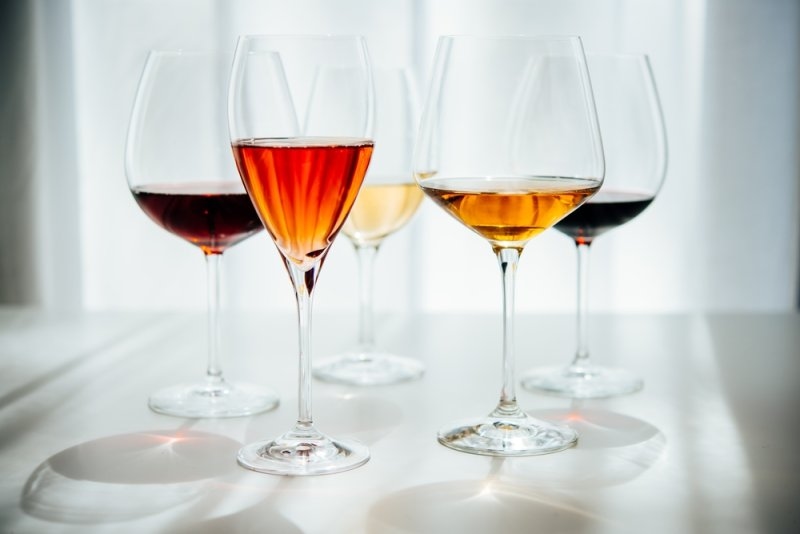
Darker wines sometimes suggest more body, but not always. A pale Pinot Noir may still surprise you with complexity. Meanwhile, dark color alone doesn’t guarantee richness.
Color helps — yet only partly.
Choosing the Right Wine for Beginners
Picking wine gets easier once you stop chasing “best” and start choosing based on mood, food, or comfort level. Especially when searching for wine for beginners.
Start With Medium or Light Wines First
Jumping straight into a heavy Cabernet can feel too intense if you're new to wine. Instead, start with softer choices. Pinot Noir, Riesling, Sauvignon Blanc. These wines feel approachable, easier to understand.
Match Wine to Food
Food changes everything.
A rich steak beside a light wine may feel mismatched. But a bold red next to grilled meat works beautifully. On the other hand, seafood often pairs better with lighter wines.
Conclusion
The difference between full-bodied and light-bodied wine mostly comes down to feel. One feels rich, bold, heavier — the other stays fresh, soft, easier to drink. Alcohol, tannins, sweetness, and texture all play a part. But don’t overcomplicate it. You do not need expert language or expensive bottles to understand the body of wine. Try different styles, compare them, and notice what feels right.
FAQs
Does temperature change how full or light wine feels?
Definitely, too warm, and the alcohol stands out more, making the wine feel noticeably heavier and stronger. Chill it a little, and wines often seem fresher, softer, smoother, and much easier to sip comfortably.
Are pricey wines always more full-bodied?
Nope. Price doesn’t really affect the body. Some expensive bottles are delicate and light, while you’ll find budget wines that are bold and rich. Grape variety, alcohol level, and production style drive the body, not cost.
Can sparkling wine be full-bodied?
Sure. Most sparkling wines feel light and refreshing, but some older styles or Champagnes can feel creamy, textured, richer, and almost heavy, even with plenty of bubbles still present.
Does aging change a wine’s body?
Aging softens tannins, blends flavors, and smooths things out over time. You’ll notice a more polished texture and deeper balance, but a light-bodied wine usually stays light, even years later.
This content was created by AI
No keywords available