Why is Natural Wine Popular: A Detailed Guide to Buying Well

Big brand vineyards dump massive amounts of chemicals into their vats to guarantee every single bottle tastes exactly identical. It creates a completely boring, sterile drink. People finally got sick of drinking highly processed grape juice. The massive explosion of natural wine completely flipped the alcohol industry upside down. Grabbing a cloudy, funky bottle from a local shop completely ruins standard supermarket wine forever. It tastes completely alive. Understanding what actually hides inside that glass bottle changes the Friday night drinking habit entirely.
Must Read: Expand Your Wine Knowledge: The Ultimate Wine Glossary
What is Natural Wine?
Answering what is natural wine requires stripping away centuries of heavy industrial manufacturing. It basically means making wine using minimal intervention inside the cellar. Growers refuse to spray toxic pesticides, herbicides, or synthetic fertilizers all over the dirt. They hand-pick the fruit and throw it into a barrel to let the wild, native yeast floating in the air naturally trigger the fermentation. Standard factories dump lab-grown yeast and heavy additives into their vats to fake a premium product. Low-intervention bottles rely purely on the raw juice and time. The winemaker simply steps back and lets the local environment completely dictate the final flavor of the vintage.
Top Pick: Buying The Best Wine Cooler: All You Need to Know
Why is Natural Wine Popular?
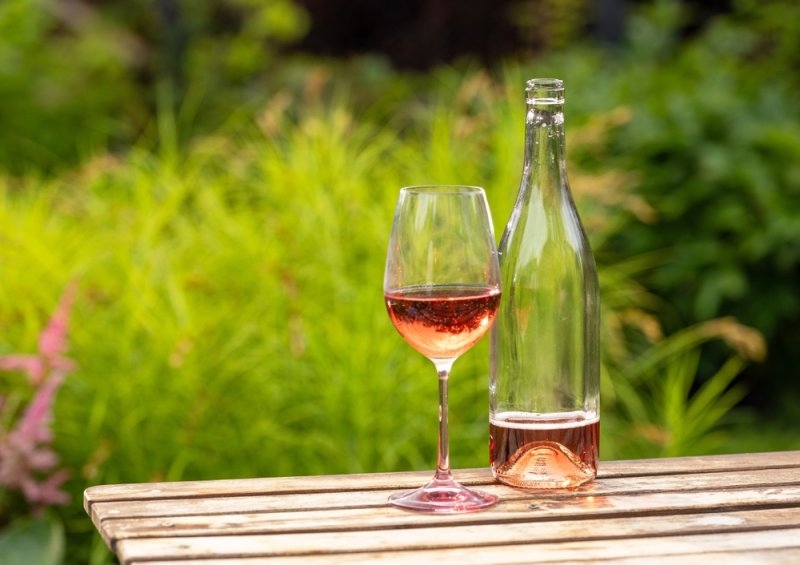
Consumers actively reject drinking hidden laboratory additives. People want raw, unfiltered beverages that actually reflect the specific dirt the grapes grew in.
1. Zero Hidden Chemicals
Commercial vineyards legally hide dozens of strange additives in their vats to fix flaws. Buyers flock to low-intervention bottles specifically to avoid consuming liquid filtering gelatins and synthetic acidity regulators.
2. Unique Flavor Profiles
Standard grocery store bottles taste exactly the same every single year. Wild yeast fermentation guarantees every single batch tastes completely different, offering a totally unpredictable experience.
3. Supporting Small Farmers
Huge factory brands completely choke regular shop aisles. Grabbing funky juice directly pays small families picking grapes by hand instead of firing up massive diesel tractors.
What are the Most Popular 7 Natural Wine Trends?
The global demand for unfiltered bottles created entirely new drinking habits. Tracking current natural wine trends exposes exactly what modern buyers actually want in their glass.
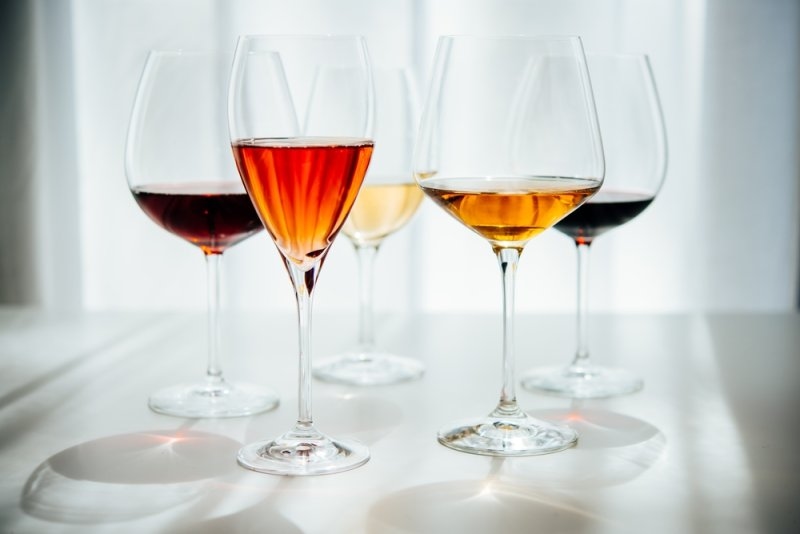
1. Skin-Contact Orange Bottles
Leaving white grapes to soak heavily in their own skins creates a brutal, tannic orange liquid. This harsh, deeply flavored style dominates trendy bar menus globally.
2. Pet-Nat Bubbles
Bottling the juice right before the initial fermentation finishes traps aggressive natural carbonation inside. It delivers a hazy, unpredictable fizz that completely replaces cheap Champagne.
3. Chilled Light Reds
Nobody wants a heavy, warm Cabernet in the summer anymore. Winemakers now produce ultra-light, acidic reds designed specifically to drink straight out of an ice bucket.
4. Zero-Zero Purism
Hardcore drinkers strictly demand bottles containing absolutely zero added sulfites and zero cellar interventions. It represents the most extreme, risky version of the entire movement.
5. Co-Fermentation Experiments
Growers literally throw red and white grapes into the exact same barrel to ferment simultaneously. This chaotic mix produces wild, highly fruit-forward hybrids that defy standard categories.
6. Reviving Dead Grapes
Producers actively rip out boring, international grapes to replant ancient, forgotten local vines. This preserves local cultural heritage and creates entirely new flavor profiles for buyers.
7. Alternative Packaging
Heavy glass bottles completely destroy the environment during shipping due to extreme carbon emissions. Top-tier producers now confidently put premium low-intervention juice into high-end aluminum cans and massive boxed bladders.
Understanding the Natural Wine Benefits for Occasional Drinkers
Trading cheap grocery store bottles for real, living juice physically changes how the body reacts the next morning. Exploring actual natural wine benefits proves exactly why the extra cost matters at the checkout counter.
1. Significantly Lower Sulfites
Standard factories pump massive amounts of sulfur dioxide into vats to freeze the wine in time. Low-intervention bottles use minimal added sulfites, which helps sensitive drinkers avoid rapid physical reactions.
2. Higher Antioxidant Load
Untreated vines battle vicious rot and bugs completely alone. That raw stress triggers natural defenses, packing each grape full of way heavier protective antioxidants and clean nutrients.
3. Avoiding Agricultural Toxins
Conventional grapes carry heavy pesticide residue straight from the dirt into the crusher. Sticking to strictly organic or biodynamic farming completely removes synthetic weedkillers from the final glass.
How Natural Winemaking Works: Step-by-Step
Ditching industrial machinery completely alters the harvest schedule. Traditional natural winemaking requires massive amounts of manual labor and extreme patience from the crew.
1. Manual Harvesting
Bulky mechanical harvesters wreck delicate vines and mash fruit early. Field hands snip prime grape bunches with shears, stopping bruised skins from immediately spoiling that fresh, raw juice.
2. Spontaneous Fermentation
The crushed juice sits in a tank completely unbothered. The native wild yeast already floating on the grape skins naturally triggers the entire fermentation process without commercial lab packets.
3. Skipping the Filters
The finished liquid never passes through heavy industrial filtration meshes. Winemakers bottle it directly with the leftover sediment to lock the raw, authentic flavors tightly inside.
Conclusion
Industrial farming completely ruined the agricultural beauty of a simple vineyard. Returning to ancient, raw fermentation methods forces drinkers to appreciate the unpredictable chaos of real fruit. Dropping the heavy supermarket brands for a genuine bottle of natural wine completely wakes up a dead palate. Drink the cloudy juice, support the tiny independent farmers, and actually taste the raw dirt.
Frequently Asked Questions
Does organic certification guarantee low-intervention cellar practices?
No. An organic label strictly regulates how the farmer treats the dirt and the vines outside. Once those organic grapes enter the cellar, government rules still allow conventional winemakers to pump the vats full of commercial lab yeasts, fining agents, and heavy sulfites.
Why do some unfiltered bottles smell aggressively like a farmyard?
That specific funky smell usually comes from Brettanomyces, a rogue wild yeast strain that thrives in untreated cellars. Some drinkers love the sweaty, earthy aroma it adds to a red vintage. Extreme cases cause "mousiness," an off-flavor reminiscent of a dirty mouse cage that completely ruins the finish.
Do low-sulfite bottles spoil faster after opening?
Absolutely. Preservatives act like heavy armor against oxygen. Removing the chemical sulfur means the living liquid reacts to the air immediately. An opened low-intervention bottle typically turns sharply to vinegar within twenty-four hours, demanding drinkers finish the glass quickly.
How does the lunar cycle affect biodynamic vineyards?
Biodynamic farming treats the entire vineyard as a single living organism directly tied to astrological movements. Growers bury cow horns stuffed with manure in the dirt and explicitly time their harvesting, pruning, and watering strictly around the specific phases of the moon to stimulate root growth.
Are vegan diets strictly limited to unfiltered bottles?
Usually, yes. Standard commercial operations pump raw egg whites, casein from milk, or isinglass pulled from fish bladders directly into the vats to filter out cloudy particles. Unfiltered, low-intervention bottles skip this exact fining process entirely, guaranteeing absolutely zero animal byproducts end up in the final liquid.
This content was created by AI
No keywords available