How to Read a Wine Label Before Buying Your First Wine?

-1780404006-r.jpeg)
Buying your first bottle of wine feels oddly complicated. Too many names, places, and words you’ve never heard before. Some bottles look expensive just because the label feels serious. Others look fun but tell you almost nothing. You stand there for ten minutes pretending to know what “dry” means. Happens a lot.
The truth is, you do not need to know everything about wine to buy a decent bottle. You only need to understand what the bottle is quietly telling you. Most clues are right in front of you if you know where to look. In this blog, we will break down how to read a wine label and what the terms actually mean, plus how to pick a bottle without feeling lost.
How to Read a Wine Label Before Buying Your First Bottle?
A wine bottle label is not a random decoration. It gives details about flavor, origin, grape type, alcohol level, and sometimes even how sweet or dry the wine may taste. But labels can feel crowded, especially for beginners.
If you are wondering how to read wine labels for beginners, start with the basics first. Ignore the fancy script. Focus on a few things that matter most—producer name, region, grape, vintage, and alcohol content.
Start With the Producer Name
You’ll usually spot the producer’s name right at the top or in the center of the bottle. Think of it like a brand. Some wineries become trusted because they stay consistent over time.
For beginners, sticking with producers you enjoyed before makes life easier. Found one bottle you liked? Save the name. That tiny habit helps more than trying to memorize hundreds of wine terms.
Look at the Region First
Where a wine comes from matters more than many first-time buyers realize; climate affects grapes—hot places often produce richer, fruitier wines, while cooler regions can taste sharper or lighter.
Sometimes the label highlights the grape. Sometimes it highlights the region instead. European wines often use region names rather than grape names, which quickly confuses beginners.
Understanding Wine Labels Through Grape Types
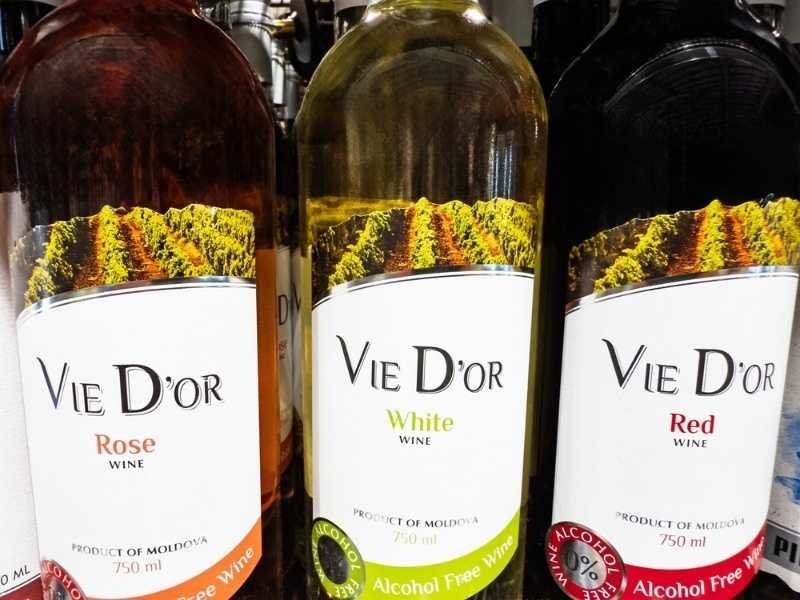
One of the easiest ways of understanding wine labels is by checking what grape is inside the bottle. Not every label spells it out clearly, though.
Some wines proudly display the grape variety. Others hide behind regional naming traditions.
Red Wine Grape Names to Notice
If you want smoother, beginner-friendly red wines, certain grapes are easier to enjoy than others. Cabernet Sauvignon usually tastes bold, fuller, and sometimes dark-fruit heavy. Can feel strong for first-time drinkers.
Merlot often feels softer, rounder, and easier to drink. Less harsh edges. Pinot Noir tends to be lighter and softer, sometimes fruity but earthy too. A decent starting point.
White Wine Grape Names Worth Knowing
White wines can feel less intimidating for beginners. Chardonnay may taste creamy or fruity depending on style. Quite flexible.
Sauvignon Blanc usually tastes brighter, crisper, and fresher. Riesling can range from dry to sweet, which surprises many people.
Wine Label Terminology Made Simple
A lot of people quit trying because fine words sound intimidating. But most wine label terminology is easier than it looks.
Once you understand a few common terms, labels stop feeling mysterious.
What Vintage Actually Means
“Vintage” simply refers to the year grapes were harvested.
Younger wines often feel brighter and fruitier. Older wines can become smoother, richer, and sometimes more complex. Yet expensive or old does not always mean better for beginners.
Understanding Alcohol Percentage
The alcohol by volume number — often shown as ABV — quietly tells you a lot. A bottle with lower alcohol may taste lighter. Higher alcohol wines often feel stronger, richer, and occasionally heavier on the palate.
Around 11% to 13% can feel approachable if it is your first wine purchase. Not a rule, though.
How to Read Wine Labels for Beginners Without Feeling Overwhelmed?
The easiest mistake? Overthinking every bottle. People often stare at twenty labels expecting certainty. Wine does not work that way. Even experts try things they dislike sometimes.
Instead, build a quick label-reading habit.
When you're scanning the shelves, pay attention to these things:
- Producer or winery name—helps if you want to grab the same bottle next time.
- Region—gives you hints about the wine’s style and where it’s from.
- Grape variety—usually points to what flavors you’ll get.
- Vintage year—nice to know, but it’s not everything.
- Alcohol level—tells you how bold or strong it might taste.
Honestly, these five details usually give you what you need.
How to Choose Wine Without Guessing Too Much?
Knowing how to choose wine gets easier once you stop chasing “best wine” and start thinking about what you actually want. Do you want something sweet? Rich? Light? Something for dinner? Something casual?
Match Wine to Food
Food changes how wine tastes. Strange but true. Heavy red wines often pair better with grilled meats or richer meals. Lighter whites may feel fresher beside seafood, salads, or lighter dishes.
But rules are not fixed. Drink what tastes good to you. Sometimes, cheap pizza tastes amazing with simple wine.
Think About the Occasion
Buying wine for guests feels different from buying for yourself.
For casual nights, approachable bottles work better. For celebrations, maybe try something fuller or slightly more premium. No need to overspend your first time.
Conclusion
Your first wine purchase does not need to feel intimidating. A bottle label is not trying to confuse you — it is mostly giving clues. Look at the grape, region, vintage, alcohol level, plus producer name. Ignore some of the noise. Fancy wording, dramatic packaging, and all of that matter less than people think. The biggest thing is this—buy a bottle, try it, and remember what worked and what did not.
FAQs
Can wine labels tell you if it’s organic?
Sometimes. Look for certifications or the words “organic grapes”—they’ll often show up on the bottle. But not every bottle spells it out clearly, especially for natural or sustainable wines. Sometimes you have to squint and check the small print or the back of the label.
Why do some wine bottles have animals on the label?
Mostly, it’s branding. You’ll spot animals, symbols, or bold designs meant to grab your eye or show a bit of the winery’s personality. That name tells you who made the wine, but honestly, it doesn’t say much about how the wine actually tastes, how sweet it is, or if it’s any good. It’s more for looks.
Does expensive wine always mean better quality?
The cost can have more to do with where the wine’s from, how rare it is, what kind of reputation the winery has, or how long it’s been aged. Quality isn’t guaranteed just because you pay more. But you can find plenty of affordable wines that taste fantastic, especially if you’re just starting out.
Why do some bottles have corks while others use screw caps?
A screw cap doesn’t mean cheap wine. Lots of good wines use them because they keep things fresh and help avoid cork issues. Corks feel classic, sure, but either option does the job and keeps your wine safe.
This content was created by AI
No keywords available
-1780395846-r.jpeg)