Red Wine Pasta Recipes for Easy Gourmet Dinners Tonight

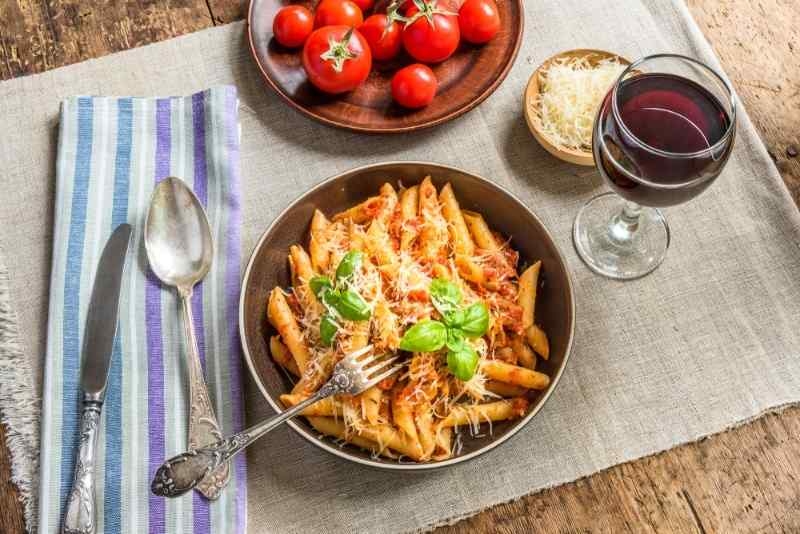
Some dinners feel too plain. Others take forever and leave the kitchen looking wrecked. That is where red wine pasta sits in a nice middle spot. It feels fancy and tastes deep and rich, yet most versions are surprisingly simple.
You do not need chef skills for this either. A few ingredients, decent timing, and patience for the sauce. That’s mostly it. In this blog, we’ll go through easy recipes, cooking tips, and methods, plus ways to turn weeknight meals into something that feels a bit gourmet.
Why Red Wine Pasta Works for Easy Gourmet Meals?
The thing about red wine pasta is that the flavor changes fast. Regular tomato pasta tastes familiar. Add red wine, and suddenly there is depth. Slight sweetness, a little acidity, and something earthy too. Hard to explain exactly, easier to taste.
It also feels expensive without costing much. Pasta is cheap. Garlic is cheap. Wine—even affordable bottles work fine. Together, though, dinner feels restaurant-like.
A quick benefit list:
- Deep flavor without many ingredients: Red wine builds richness fast. You do not need heavy cream, ten spices, or complicated sauces. The flavor becomes layered almost by accident.
- Works with many proteins: Beef, mushrooms, sausage, chicken, and even lentils fit nicely beside wine-based sauces. Flexible meals matter on busy nights.
- Feels special but stays simple: This is one of those dinners that seems more than it really is. Guests think an effort was made. Usually, not much did.
Red Wine Pasta Recipes That Feel Fancy Yet Easy
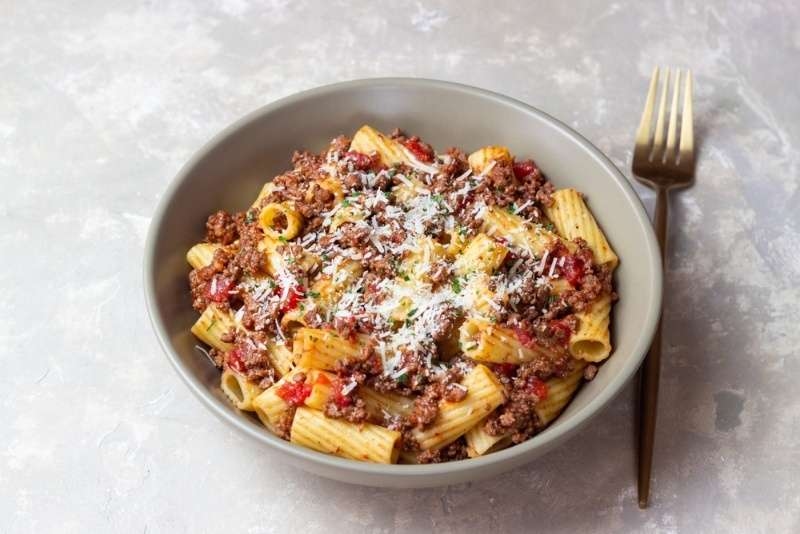
You do not need five recipes for this. Even two or three good ones can carry dinner for weeks.
Classic Garlic and Parmesan Red Wine Pasta Recipe
This one feels cozy. A little bold, too.
Ingredients
- 250g spaghetti or linguine
- 2 cups red wine
- 4 garlic cloves, sliced
- 2 tablespoons olive oil
- 1 teaspoon chili flakes
- Salt to taste
- Black pepper
- ½ cup grated Parmesan cheese
- Fresh parsley for garnish
Step-by-Step Method
Step 1: Boil pasta in salted water until slightly firm. Keep some pasta water aside before draining. Important step. Easy to forget.
Step 2: Heat olive oil in a pan. Add garlic and cook gently. Do not burn it, or things turn bitter fast.
Step 3: Pour in red wine. Let it simmer for around 8–10 minutes until reduced slightly. The sharp alcohol smell softens.
Step 4: Add chili flakes, salt, pepper, plus cooked pasta. Toss everything together.
Step 5: Mix in parmesan and a splash of pasta water for a smoother finish. Top with parsley and serve warm.
Messy, rich, comforting.
Creamy Mushroom Version for Cozy Nights
Mushrooms love wine. Those earthy tastes somehow make sense together.
Ingredients
- 250g of your preferred pasta
- One and a half glasses of red wine
- One cup of sliced mushrooms
- Three cloves of garlic
- ½ chopped onion
- Half a cup of cream
- Olive oil
- Season with salt and pepper.
- Cheese from Parmesan
Step-by-Step Method
Step 1: Cook pasta and reserve some water.
Step 2: Sauté onions, garlic, and mushrooms in oil until soft. Let mushrooms brown slightly. Better flavor that way.
Step 3: Add wine and simmer for several minutes. Let it reduce but not disappear.
Step 4: Stir in cream slowly. Add seasoning.
Step 5: Mix pasta into the sauce, sprinkle cheese on top, and serve hot.
Simple dinner. Feels oddly comforting after a long day.
The Best Red Wine Pasta Method for Better Flavor
A lot of people rush the sauce. That is usually where problems begin.
A few things help:
- Use dry red wine instead of sweet wine. Sweet versions can taste strange in pasta.
- Save pasta water. It fixes dry sauces quickly.
- Garlic matters more than people think. Fresh garlic gives a stronger flavor.
- Let the pasta sit in the sauce for one or two minutes before serving. Absorbs flavor better.
Also, avoid cooking wine you would never drink. It sounds dramatic, but cheap, sour wine makes noticeable damage here.
Small Kitchen Mistakes That Ruin Flavor
Sometimes pasta turns bitter. Sometimes weirdly flat.
Usually, it happens because of these reasons:
- Wine reduced too much: The sauce becomes overly strong and slightly harsh. Watch the pan.
- Too much salt early on: Wine already concentrates flavor. Heavy salt makes it overwhelming.
- Overcooked pasta: Soft noodles collapse into the sauce. Texture matters here.
Not difficult mistakes. Just annoying.
How to Make Red Wine Pasta at Home Without Stress?
People overthink this dish. Honestly, once you understand timing, it becomes one of the easier dinners.
When wondering how to make red wine pasta, think in simple stages:
- Cook the pasta first.
- Build the sauce next.
- Reduce the wine slowly.
- Combine everything.
- Finish with cheese or herbs.
That’s basically dinner. You can even prep parts ahead. Chop garlic earlier. Measure wine before cooking it. Tiny shortcuts help on tired evenings.
Good Pasta Types for Wine-Based Sauces
Not every noodle works equally well.
- Spaghetti catches sauce nicely while staying light. Good starting point.
- Pappardelle feels richer. Better for mushroom or beef versions.
- Rigatoni traps sauce inside, which honestly makes every bite heavier — in a good way.
Thin noodles work, yet thicker pasta often feels more satisfying with wine.
Dinner Recipes With Wine That Go Beyond Basic Pasta
Sometimes you want a whole dinner, not just noodles in a bowl.
Try these combinations:
- Garlic bread with herbs: Crunchy bread balances rich sauce nicely. Also helps scoop leftovers from the bowl.
- Simple roasted vegetables: Roasted zucchini, peppers, or asparagus adds freshness next to deep wine flavors.
- Light green salad: Sounds boring, but it works. Rich pasta benefits from something crisp and cold.
You could even pair the same wine used in cooking with dinner. Not necessary. But nice.
Conclusion
Good dinners do not need to be complicated. That idea gets exaggerated online. Red wine pasta proves the opposite. A few ingredients, decent pasta, wine that tastes okay, and a little patience—suddenly dinner feels much bigger than the effort behind it. Rich flavor without hours in the kitchen. Try one version first. Maybe garlic and parmesan, maybe mushrooms. Then change things around. Add spice, extra cheese, and roasted vegetables. Keep it simple.
FAQs
Can I make red wine pasta without cheese?
Of course. Cheese adds richness, no doubt, but pasta with red wine sauce can stand on its own. Toss in some olive oil, fresh herbs, mushrooms, or roasted garlic if you want to mix it up.
What type of red wine works best with pasta?
Go for a dry red. Merlot, Cabernet Sauvignon, and Pinot Noir are all solid options—they bring plenty of flavor without turning the sauce sweet. I’d skip dessert wines unless you’re purposely experimenting.
Can I store leftover red wine pasta?
Yes, just pop the leftovers into an airtight container. They’ll stay good in the fridge for up to two days. Warm it up gently and add a splash of water or broth so the pasta doesn’t dry out. Still, nothing beats the taste when it’s fresh.
Does red wine pasta taste strongly of alcohol?
No, not really. Most of the alcohol cooks off while you’re simmering. You’re left with this nice depth, a touch of richness, and some gentle sharpness. As long as you reduce the sauce well, the flavor turns out balanced—not harsh or boozy.
This content was created by AI
No keywords available