What are the 5 Best Wine Regions in California in 2026?

Quick Takeaways
- Sonoma County provides a relaxed coastal atmosphere for Pinot Noir and Chardonnay lovers.
- Napa Valley remains the premier world-class destination for bold Cabernet Sauvignon.
- Paso Robles delivers rich Rhône-style blends with budget-friendly tasting options.
- Santa Barbara County combines ocean breezes with cool-climate Syrah and Pinot Noir.
- Lodi leads sustainable viticulture while producing rich old-vine Zinfandel wines.
Planning an unforgettable road trip starts with exploring the best wine regions in California for world-class tasting experiences. California produces over 80% of all wine made in the United States, according to official data from the Wine Institute. This massive output spans across 148 distinct American Viticultural Areas. With thousands of lush vineyards scattered across coastal hillsides and sunny valleys, choosing where to spend your vacation days can feel overwhelming.
Embarking on a vineyard journey should feel romantic, relaxing, and inspiring rather than exhausting. You deserve trustworthy advice on tasting routes, regional varietals, and hidden gems so every sip brings genuine delight.
In this comprehensive travel guide, we explore famous valleys, ocean-cooled terroirs, and budget-friendly tasting stops. We break down the top California wine destinations to help you curate your dream road trip itinerary.
Why Visit the Best Wine Regions in California?
California offers an extraordinary diversity of climates, soils, and winemaking philosophies. Exploring these scenic regions allows travelers to connect with passionate winemakers and breathtaking landscapes.
World-Class Viticulture and Diversity
From fog-bathed coastal valleys to warm inland hills, California grows over 110 unique grape varieties. This incredible climate diversity ensures every wine lover finds their perfect glass.
Scenic Beauty and Culinary Excellence
Beyond world-class tasting rooms, these regions boast Michelin-starred dining, farm-to-table eateries, and luxury boutique hotels. Breathtaking vineyard views make every drive an unforgettable sensory journey.
What are the Must-Visit California Wine Regions?
Here is a curated list of the top wine regions in California to include on your getaway road trip itinerary:
1. Sonoma County: Laid-Back Charm and Coastal Varietals
Sonoma County stretches from the Pacific Coast to the Mayacamas Mountains, offering a massive agricultural landscape dotted with coastal redwoods and fog-kissed valleys. It is one of the best wine regions in California for beginners who prefer unpretentious tasting rooms and diverse microclimates.
- When You Should Visit: Visit between May and October for warm vineyard weather, or during late September for bustling grape harvest activity.
- What You Should Do: Take a scenic drive through the Russian River Valley, book a vineyard picnic, and explore historic town squares.
- What You Should Know Before Visiting: Sonoma is geographically vast; group your tasting appointments by sub-AVAs like Healdsburg or Sonoma Valley to avoid long daily drives.
- Where You Should Eat: Enjoy farm-to-table dining in downtown Healdsburg at SingleThread Farm or grab a casual artisanal lunch at the Oakville Grocery in Sonoma with quality wine, including Chardonnay.
- Which Places You Should Visit:
- MacRostie Winery & Vineyards for estate Pinot Noir and terrace views.
- Dry Creek Vineyard for historic Zinfandels and shady picnic grounds.
- Francis Ford Coppola Winery for movie memorabilia and family-friendly resort pools.
2. Napa Valley: Iconic Luxury and Bold Cabernets
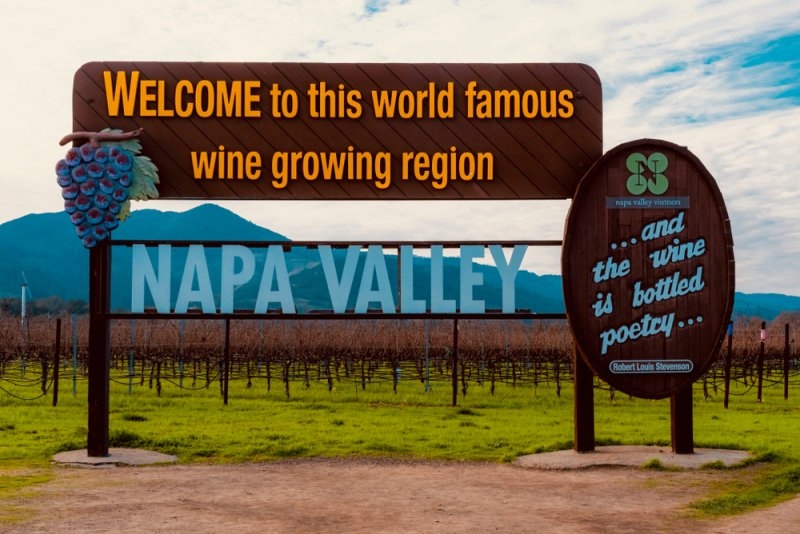
Napa Valley is the world-renowned epicenter of luxury California winemaking. Anchored by Highway 29 and the scenic Silverado Trail, this narrow valley is lined with grand castle estates, underground barrel caves, and pristine vineyard rows famous for producing bold Cabernet Sauvignon.
- When You Should Visit: September through November brings peak harvest energy, while March offers yellow mustard blooms across the valley floor.
- What You Should Do: Ride the iconic Napa Valley Wine Train, take an early morning hot air balloon flight over the vines, and take guided cave tours.
- What You Should Know Before Visiting: Tasting fees are among the highest in the state, and almost all wineries strictly require reservations.
- Where You Should Eat: Indulge in world-class dining at The French Laundry in Yountville or grab gourmet oysters at Gott's Roadside in St. Helena.
- Which Places You Should Visit:
- Castello di Amorosa for an authentic 13th-century-style Tuscan castle tour.
- Robert Mondavi Winery for historic architecture and foundational Napa history.
- Domaine Carneros for sparkling wine flights served on a French chateau terrace.
3. Paso Robles: Bold Rhône Blends and Exceptional Value
Situated halfway between Los Angeles and San Francisco, Paso Robles combines a laid-back cowboy heritage with cutting-edge winemaking. Known for hot days and cool ocean nights, it is a premier destination for rich Zinfandels, Cabernet, and creative Rhône-style blends.
- When You Should Visit: Visit in April and May for pleasant spring temperatures, or October for the annual Paso Robles Harvest Wine Weekend.
- What You Should Do: Walk through the mesmerizing nighttime light display at Sensorio, explore the historic downtown square, and soak in local thermal hot springs.
- What You Should Know Before Visiting: Wineries here are warm and casual, often welcoming walk-ins and offering more affordable tasting flights than Northern California.
- Where You Should Eat: Savor Michelin-starred French cuisine at Les Petites Canailles or enjoy farm-to-table small plates at Thomas Hill Organics.
- Which Places You Should Visit:
- Tablas Creek Vineyard for organic and biodynamic Rhône blend tastings.
- DAOU Vineyards for sweeping mountain views and high-altitude Cabernet.
- Justin Vineyards & Winery for world-class estate dining and Bordeaux pairings.
4. Santa Barbara County: Coastal Elegance and Cool-Climate Syrah
Santa Barbara County features unique transverse valleys that channel cool Pacific Ocean breezes directly into the interior vineyards. Made famous by the movie Sideways, this region balances beach-town charm in the city of Santa Barbara with rustic vineyard landscapes throughout the Santa Ynez and Santa Maria Valleys.
- When You Should Visit: May through October offers reliable coastal sunshine, warm weather, and ocean breezes.
- What You Should Do: Stroll through the urban tasting rooms in Santa Barbara’s Funk Zone, tour the Danish-style village of Solvang, and sip Pinot Noir in Los Olivos.
- What You Should Know Before Visiting: Temperatures drop rapidly as soon as the sun sets due to coastal winds, so packing warm layers is essential.
- Where You Should Eat: Enjoy fresh Santa Barbara seafood at Brophy Bros. on the harbor or wood-fired pizza at Industrial Eats in Buellton.
- Which Places You Should Visit:
- Sunstone Winery for a French Provençal estate built from reclaimed European stone.
- Sanford Winery & Vineyards for pioneer Pinot Noir grown in the cool Sta. Rita Hills.
- Fess Parker Winery for scenic estate grounds and rich cool-climate Syrah.
5. Lodi & Livermore Valley: Historic Heritage and Sustainable Vines
Located just inland from the San Francisco Bay Area, Lodi and the Livermore Valley represent two of California's most historic and accessible grape-growing areas. Lodi is celebrated globally for its century-old Zinfandel vines and eco-friendly farming practices, while Livermore boasts a rich heritage dating back to the 1880s.
- When You Should Visit: March through May provides pleasant spring weather before the hot Central Valley summer arrives.
- What You Should Do: Take a self-guided tour of gnarled, ancient Zinfandel vines, kayak along the Mokelumne River, and visit downtown tasting rooms.
- What You Should Know Before Visiting: Lodi is home to the Lodi Rules sustainable certification program, making it a prime destination for eco-conscious wine travelers.
- Where You Should Eat: Dine on regional American fare at Towne House Restaurant at Wine & Roses or enjoy casual bites at Pietro's Trattoria.
- Which Places You Should Visit:
- Oak Ridge Winery for tastings inside a converted 50,000-gallon redwood wine tank.
- Michael David Winery for famous 7 Deadly Zins tastings, a bakery, and lush gardens.
- Concannon Vineyard (Livermore) for historic tours at the birthplace of America's Petite Sirah.
Must Try: The Top 10 Cabernet Sauvignons You Need to Try in 2024
Comparing the Best California Wine Regions for Wine Tasting
Here is a side-by-side look at how top winemaking valleys compare across key traveler preferences:
| Wine Region | Signature Varietals | Atmosphere | Ideal Traveler |
| Napa Valley | Cabernet Sauvignon, Merlot | Luxurious, exclusive, refined | Luxury travelers, connoisseurs |
| Sonoma County | Pinot Noir, Chardonnay, Zinfandel | Laid-back, sprawling, agricultural | Casual wine lovers, beginners |
| Paso Robles | Rhône Blends, Zinfandel, Cabernet | Welcoming, rustic, creative | Budget seekers, road trippers |
| Santa Barbara | Pinot Noir, Chardonnay, Syrah | Coastal, elegant, picturesque | Couples, foodie travelers |
How to Plan Your California Wine Tasting Trip?
- Select Two Neighboring Valleys: Focus your itinerary on adjacent valleys to minimize daily driving time between vineyard appointments.
- Book Tasting Reservations Early: Secure boutique winery appointments two to three months ahead to guarantee entry to popular estates.
- Pace Your Daily Itinerary: Limit your schedule to three winery visits per day to truly appreciate each unique atmosphere.
- Hire Local Transportation: Arrange a private driver or tour shuttle so everyone in your group stays safe.
- Pack Proper Tasting Attire: Wear comfortable flat shoes for vineyard walking tours and bring layers for cool coastal evenings.
Conclusion
Planning a journey through the Golden State reveals incredible landscapes, rich history, and world-class craftsmanship. Throughout this guide, we evaluated the premier destinations across the state, from the opulent tasting rooms of Napa Valley to the relaxed coastal vineyards of Sonoma and Santa Barbara. We examined regional signature varietals, travel atmospheres, and practical itinerary tips tailored for every type of traveler. Selecting the right mix of valley destinations transforms a simple vacation into a memorable adventure filled with exquisite pours and scenic views.
Discovering new favorite vintages should bring immense joy and lasting memories with every opened bottle. Equipping your personal cellar with handpicked selections, sustainable bottles, and rare vineyard finds elevates your daily living experience. Take full charge of your wine journey today, curate your dream collection, and celebrate life's finest moments with confidence! Explore curated bottle selections and expert tasting guides at PointWines.
FAQs
What is the best time of year to visit California vineyards?
The best time to visit is during harvest season from September through October. During these lively autumn months, vineyards hum with energetic harvesting activity, grapes are crushed, and the weather remains warm and sunny across every major growing valley.
How Do Microclimates Impact Grape Flavors Across Valleys?
Microclimates influence grape acidity, sugar levels, and overall flavor concentration. Coastal valleys with cool morning fog produce crisp white wines and delicate Pinot Noir, while warmer inland valleys foster rich, high-alcohol red wines with deep fruit profiles.
What are American Viticultural Areas, and Why Do They Matter?
An American Viticultural Area is a federally recognized grape-growing region defined by specific geographic and climatic features. AVA labels guarantee that at least 85 percent of the grapes used in the bottle were grown within that precise geographic boundary.
How Can Travelers Save Money on Winery Tasting Fees?
Travelers can save money by purchasing regional tasting passes, visiting boutique family-owned wineries with lower fees, or sharing tasting flights with travel companions. Many wineries also waive tasting fees entirely when you purchase a minimum number of bottles.
What is Sustainable Viticulture, and How Do Wineries Practice It?
Sustainable viticulture focuses on eco-friendly farming practices that protect soil health, conserve water, and preserve local ecosystems. Wineries practice sustainability by using solar energy, planting cover crops, composting organic waste, and avoiding harmful chemical pesticides in their vineyards.
This content was created by AI
No keywords available