Light-Bodied vs. Medium-Bodied Wine: What’s the Difference?

Key Takeaways
- Wine body refers to the weight and texture of a wine in one's mouth.
- The light body is more refreshing and delicate than the medium body, which is usually more textured.
- Alcohol content, acid content, tannins, type of grape, sweetness, and winemaking practices may all affect the body of wine.
Have you ever found yourself asking about the difference between "light-bodied" and "medium-bodied" wine? Well, you were not alone since these phrases define the wine body, or the heaviness of the wine in the mouth.
Light-bodied vs. medium-bodied wines give you an advantage when selecting a good bottle for yourself. With a clear idea about the wine body, you can determine how your wine might taste and what food it will go best with, without concentrating on grape varieties or regions.
Light-bodied wine will have a feeling of delicacy and freshness to it. Medium-bodied wine is heavier than light but still not as rich as full-bodied wines. No one type of wine is better than another. It all depends on personal preference and the meal being served with the wine.
What Does Wine Body Mean?
“Wine body” is the term for the total weight of a wine. The best way to comprehend this is to draw a comparison between wine and other substances; water feels light, milk heavy, and cream rich.
The wine body is different from the flavor intensity and sweetness of a wine. A wine may have intense aromas and fruity flavors, yet it may be relatively light-bodied.
There are several components that affect the body of wine. Among others, alcohol adds body and warmth, while tannin gives structure to wine. On the other hand, acidity may give wine freshness and energy, thus giving it a lighter feel. Residual sugar, oak aging, and lees also play an important role.
As you see, all the aforementioned components work together, and therefore, the body should be regarded as a complex sensory experience.
Light-Bodied Wine: Delicate, Fresh, and Easy-Going
The wine is considered light-bodied when it has quite an ethereal profile in terms of the way it behaves in your mouth. Such a wine does not appear to be thick or heavy and leaves a refreshing impression instead.
Wines with light bodies usually have medium-to-low alcohol content, high acidity, and soft tannins, but there are always exceptions. Light wines can taste of red fruits, citrus fruits, flowers, herbs, mineral tones, and anything else.
When it comes to red wine, there are two traditional grapes to name: Pinot Noir and Gamay. This type of grape allows producing wine with a lot of flavors but without a feeling of heaviness. There are also light white wines such as Sauvignon Blanc, Pinot Grigio, and Riesling, among others. This type of wine is especially preferable for those who like crisp and refreshing wines.
Common Characteristics of Light Wine
Depending on specific examples, a light wine could have the following:
- Low to medium alcohol content
- Higher acid levels
- Low tannin levels, particularly for red wines
- Fruitiness that is either delicate or fresh
- Low body
- A fresh or clean taste
It must be remembered that a body cannot be evaluated through the alcohol content only. Even a wine with low alcohol could appear richer due to its sweetness or the winemaking process.
Medium-Bodied Wine: More Texture Without Excessive Weight
A medium-bodied wine is right in the middle of the body range of a wine. This kind of wine will be more full than a light wine but not as dense and full as many full-bodied wines.
The wine style variation in the medium-bodied category is very broad, and this makes medium-bodied wines so versatile.
Red wines that are medium-bodied can be varieties such as Merlot, Sangiovese, Grenache, Cabernet Franc, and some types of Zinfandel. They could have different characteristics, including fruity, spicy, earthy, or structural.
Medium-bodied white wines include Chardonnay, Chenin Blanc, Pinot Gris, or Viognier. These wines can have enough body to go well with food, yet still have enough freshness to not be too heavy.
Common Characteristics of Medium-Bodied Wine
The characteristics that can be found in a medium-bodied wine include:
- Alcohol content that is neither low nor high
- Texture and intensity that is neither too little nor too much
- Appreciable acidity
- Greater body than a light wine
- Tannin that is moderate in most red wines
- Longer finish
All these are just tendencies since a single grape variety can yield different body profiles when produced in different places.
Light-Bodied vs. Medium-Bodied Wine: Key Differences
The most straightforward wine comparison is based on how each wine feels as opposed to having to learn technical descriptions.
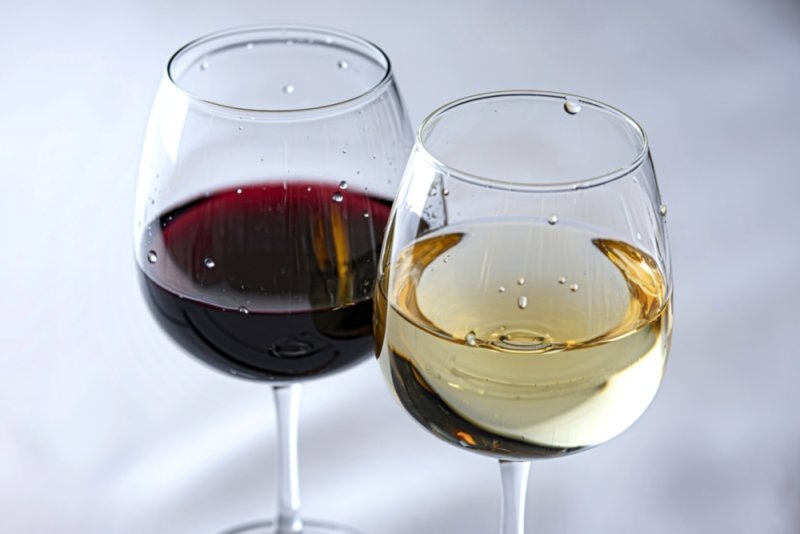
The distinction becomes clear when comparing wines directly. Sip a little from each and notice how each occupies your palate. A light wine will quickly dissipate after swallowing, leaving behind only its freshness. A medium-bodied wine will feel more present and may have a more textured finish.
Light-Bodied vs. Medium-Bodied Red Wine
This contrast becomes quite clear when one considers red wines, since tannin is a very significant factor in the context of texture. A light-bodied red is one that will typically have softer tannins, high acidity, and red fruit character. A medium-bodied red will generally be a bit more structured and full-flavored.
Examples include Sangiovese, Grenache, Merlot, and Cabernet Franc, though again there can be wide variations among individual wines.
Color and grape type alone are not enough to determine the weight of the wine. The climate, decisions made at harvest time, alcohol, oak, extraction, and age can all alter the outcome. One could expect a light-bodied Merlot to taste much less full-flavored than a more heavily extracted and/or oaked Merlot.
Light-Bodied vs. Medium-Bodied White Wine
This distinction will also help when selecting the white wine.
Light-bodied whites focus on the elements of acidity and freshness. There are also fruity or floral fragrances in these wines. Some common examples are Sauvignon Blanc and Pinot Grigio.
On the other hand, medium-bodied whites usually provide more depth and weight in wine. Chardonnay is a good example of a versatile type of white wine. It can be either light or heavy according to climate and production.
Oxygenation and the contact of the wine with lees are some ways to increase body in white wine. This means that there could be a big difference between two wines of the same kind of grapes. This is the reason why it is not sufficient to know only about the grapes used for winemaking.
What Actually Makes a Wine Feel Heavier?
The concept of body arises from the interplay between different wine characteristics, not a single attribute or element.
Alcohol
Alcohol is associated with warming and weight. The higher the alcohol content in the wine, the fuller its body usually is, even though there is no one-to-one correlation here.
Acidity
Acidity is responsible for freshness and salivation. The higher the acidity, the more alive and fresh the wine appears to be, whereas a low level of acidity makes a wine look rounder.
Tannins
Tannins play a significant role in red wines. They give a dry feeling to the wine and may influence its texture.
Sweetness
The presence of sugar adds the impression of weight and texture to the wine. Thus, sweetness should not be confused with body.
Winemaking techniques
Aging on oak, lees, malolactic fermentation, extraction, and other winemaking methods may change the texture and weight of the wine.
How to Use Wine Body for Food Pairing?
Body becomes quite helpful in wine pairing since, most of the time, one would like the wine and food to go well together. For example, a light-bodied wine might get lost in a heavy dish, whereas a heavy wine might overpower a light dish.
Some foods that light-bodied wines complement are the following:
- Salads and fresh vegetables
- Seafood
- Sushi
- Light pastas
- Roasted chicken
- Soft cheese
- Delicate starters
Also Check: The Best Pizza and Wine Pairings to Try at Your Next Dinner
Meanwhile, medium-bodied wines are more versatile and can pair well with the following:
- Pizza
- Burgers
- Roasted Poultry
- Mushroom-based dishes
- Tomato pasta
- Grilled vegetables
- Medium cheeses
- Most pork and meat-based dishes
But this does not imply that food-body matching is always strict. Acidity, sauce, flavoring, sweetness, texture, and preparation technique may be as important as body. For instance, a high-acid light red wine may match well with richer foods because of its freshness.
A Simple Wine Tasting Test
Body does not have to be compared using professional tasting tools. One should take a small sip and see how it feels on the tongue.
There are three elements to observe:
- Texture – whether the wine is delicate, smooth, creamy, or dense;
- Acidity – whether it makes the mouth produce saliva;
- Finish – whether it is short or long.
It is also possible to taste two wines together and notice how differences in weight become clearer when wines are tasted together as opposed to being tasted individually.
In professional tasting, the body is not considered alone but along with other elements such as acidity, tannins, alcohol, sweetness, intensity, and finish.
Choosing Based on Your Personal Preference
There is no one true winner in the light-versus-medium body debate.
If you enjoy fresh wines with more acidity and delicate flavors, opt for a light body style. If you prefer textured and flavorful wines with a good body and a lot of versatility with meals, then a medium-bodied wine would be your preference.
Depending on the situation, you might also find yourself preferring light-body whites for an afternoon in summer and medium-body reds with dinner.
The best strategy would be to consider the body as the initial stage and not a guidebook. After knowing your preferred weight, it will be easy for you to try different grapes, regions, and wine styles that will satisfy your palate.
Conclusion
The difference between light-bodied vs. medium-bodied wines will make it easier for you to choose among them. Lighter wines will normally give you something fresh and delicate, whereas medium wines will be more robust in terms of their body.
However, it is important to note that a body is made up of many variables, and therefore one characteristic, such as the grape type, is not enough to define a body. Remember to consider body, acidity, tannins, alcohol, flavor, and food pairing.
FAQs
How to Tell If a Wine is Light or Medium-Bodied?
Test the wine in your mouth for body and texture, as a lighter wine will generally taste fresh, whereas a medium-bodied wine will be richer and have more body. The best way to differentiate between the two is by comparing them directly.
How to Choose Between Light and Medium-Bodied Wine?
Consider what you normally enjoy, what you are eating, and the occasion. Choose a lighter style when you want freshness and delicacy; choose a medium-bodied option when you want more texture, structure, or a wine that can stand up to richer food.
Does Higher Alcohol Always Mean a Wine Has More Body?
Consider the wine's purpose, your own tastes, and what you will eat and drink along with it. Choose a lighter wine if you prefer a fresh and delicate flavor profile and vice versa.
Can the Same Grape Produce Different Levels of Body?
It is possible. Climate, ripeness, alcohol, winemaking techniques, aging, and extraction can have a very big impact on wine weight. Because of this, wines made from the same grape can range from lighter to full-bodied.
Should Beginners Start with Light-Bodied or Medium-Bodied Wine?
They could try either type of wine. Lighter wines may be easier to drink due to their fresh and smooth qualities, whereas medium-bodied wines offer more flavor. Both can be tried to find out which one is preferred.
This content was created by AI
No keywords available