Wine Grapes: Understanding Its Varieties & Pairing Tips

The bottle you pull off the shelf is only as good as the raw agricultural material inside it. Commercial vineyards don't grow the sweet, thin-skinned produce you toss into a grocery cart; they engineer dense, high-sugar wine grapes built specifically for fermentation. Getting a handle on how these vines work is the difference between buying a random label and knowing exactly how a glass will taste before you pop the cork.
Must Read: Why Single Vineyard Wine Matters to Serious Collectors?
What Makes Wine Grapes Special?
Grocery store table grapes and serious vineyard fruit look completely different once you get them off the vine. Wine varieties are small, thick-skinned, and loaded with natural sugar—usually hitting Brix levels that would make fresh eating practically unpalatable. Those tough skins aren't a flaw; they hold the tannins, color pigments, and complex flavor compounds that survive the crushing and aging process.
Seed-to-pulp ratios also change everything during harvest. While snacking grapes are bred for crisp water weight and zero seeds, vineyard bunches pack heavy seeds inside minimal pulp to feed yeast during fermentation. That concentrated juice drives alcohol percentage up while giving the finished liquid enough structural backbone to sit in an oak barrel without turning into vinegar.
Top Pick: Winemaking At Home Guide: How To Do It Right?
Understanding the Wine Grape Varieties that are Widely Used
Not every vine survives global commercial farming. A handful of dominant wine grape varieties control most of the market because they handle changing soil types and deliver consistent bottle profiles.
1. Cabernet Sauvignon
The undisputed heavyweight of cellared reds. It grows thick skins that spit out heavy tannins, deep color, and dark blackberry notes that demand time in oak to soften up.
2. Chardonnay
A winemaker's blank slate. Pull it from a cold vineyard into steel tanks for sharp green apple acidity, or dump it into toasted French oak for heavy vanilla and butterscotch.
3. Merlot
The softer, fleshier alternative to Cabernet. You get low tannin friction, ripe plum flavors, and a velvety mid-palate that makes early drinking easy.
4. Sauvignon Blanc
High-voltage acidity with zero patience for barrel sweetness. It leans hard into grapefruit, crushed lemongrass, and wet stone aromatics.
5. Pinot Noir
A notoriously fragile vine that demands cool, misty mornings. When handled right, it trades heavy fruit punch for red cherry, damp earth, and dried spice.
6. Syrah (Shiraz)
Built for hot sun and poor soil. This vine produces dark purple, full-bodied pours loaded with black pepper, cured meat, and blackberry jam.
7. Riesling
Forget the cheap supermarket sugar bombs. Serious Riesling balances bone-dry slate minerality against piercing lime-juice acidity that ages for decades.
How to Use Different Grape Varieties for Wine Making?
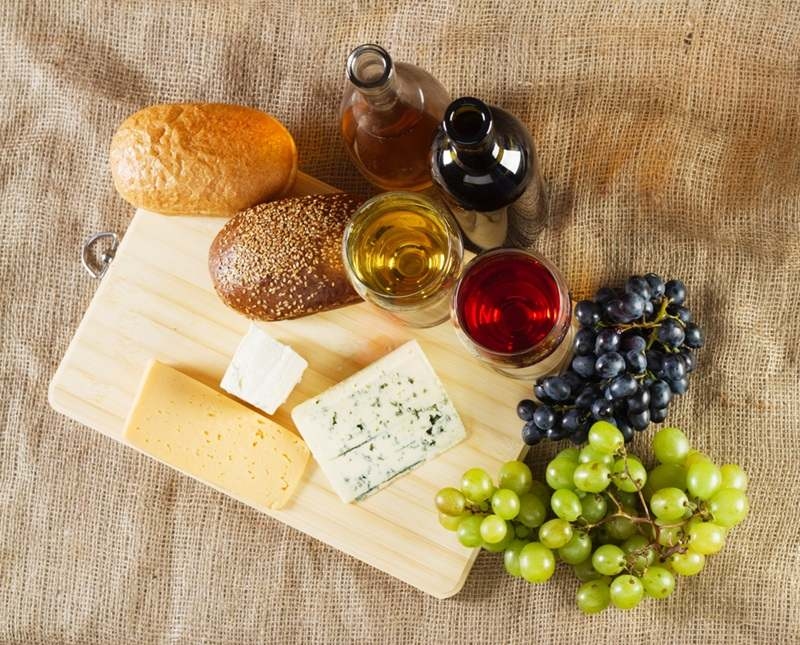
Turning fruit into alcohol isn't just about stomping harvest bins. Choosing the right grape varieties for wine making dictates your fermentation temperatures, yeast strains, and pressing timelines.
1. Skin-Contact Management
Dark skins hold all the astringent phenols. If you want a punchy, age-worthy red, leave the juice sitting on the skins for weeks; pull them out immediately if you're pressing a clean, pale rosé.
2. Acid-to-Sugar Balancing
Hot-climate fruit spikes sugar fast while dropping natural acidity. Winemakers have to pick at the exact hour the sugar level guarantees enough alcohol without letting the acid flatline into a flabby, lifeless pour.
3. Oak Integration Thresholds
Delicate fruit gets crushed by fresh oak barrels. Heavy-hitting reds absorb wood tannins and vanilla toast easily, while aromatic whites turn bitter and clunky if they sit in new wood too long.
4. Blending for Mid-Palate Holes
Single-vineyard fruit often lacks complete structural balance. Blending a sharp, tannic Cabernet with a softer, fruit-heavy Merlot fills in the hollow spots on the tongue.
Wine Grape Varieties Chart: Top 3 Pairing Tips for all Events
You don't need a formal wine grape varieties chart taped to your fridge to nail a dinner party. Just match the structural weight of the vine to the fat and salt on the plate.
1. High-Tannin Reds Demand Roasted Fat
Never waste a heavy Cabernet Sauvignon on delicate seafood or garden salads. The astringent tannins need ribeye grease, lamb fat, or aged hard cheeses to strip the chalky grip off your tongue.
2. Sharp Acid Cuts Through Salt and Cream
Pair high-acid pours like Sauvignon Blanc or dry Riesling with fried chicken, oysters, or heavy pasta sauces. The acid acts like a squeeze of fresh lemon, clearing out the fat between bites.
3. Match Delicate Earth with Lighter Meats
Save low-tannin, high-aromatic reds like Pinot Noir for roast duck, grilled salmon, or earthy mushroom risotto. Heavy char and sweet barbecue glazes will completely steamroll the subtle berry notes.
Conclusion
Stop buying labels based on animal graphics or fancy script. Once you understand how wine grape varieties behave—from thick tannin skins to sharp natural acidity—you control the dinner table. Learn which vines thrive in hot dirt versus cold fog, respect the structural gap between snacking fruit and vineyard harvests, and match your bottles to the actual fat on your plate. Master those raw basics, and you'll never waste money on a flabby, disappointing bottle again.
Frequently Asked Questions
Why do vineyards plant rose bushes at the end of vine rows?
Roses aren't there for landscaping aesthetics. They act as an early-warning system for powdery mildew and root parasites—plant diseases hit the delicate rose bushes days before they jump to the commercial vines, giving farmers time to treat the crop.
What is the actual difference between old vines and regular plantings?
As a vine passes 30 or 40 years of age, its root system digs much deeper into the subsoil while naturally producing fewer bunches per branch. That low-yields-per-acre math means the remaining fruit concentrates mineral flavors and aromatics that young vines can't match.
Why do some vineyards harvest fruit in the middle of the night?
Picking fruit under spotlights when the air is 50 degrees Fahrenheit keeps natural acidity high and prevents premature wild yeast fermentation in the tractor bins. Cold fruit also crushes cleaner without releasing bitter seed oils into the juice.
Do grafted roots change how a specific vine tastes?
Almost every European vine grows on American rootstock today to fight off phylloxera root lice. While the hardy root system keeps the plant alive in bad soil, the actual flavor profile and chemical structure of the grape are still 100% controlled by the grafted top branch.
This content was created by AI
No keywords available