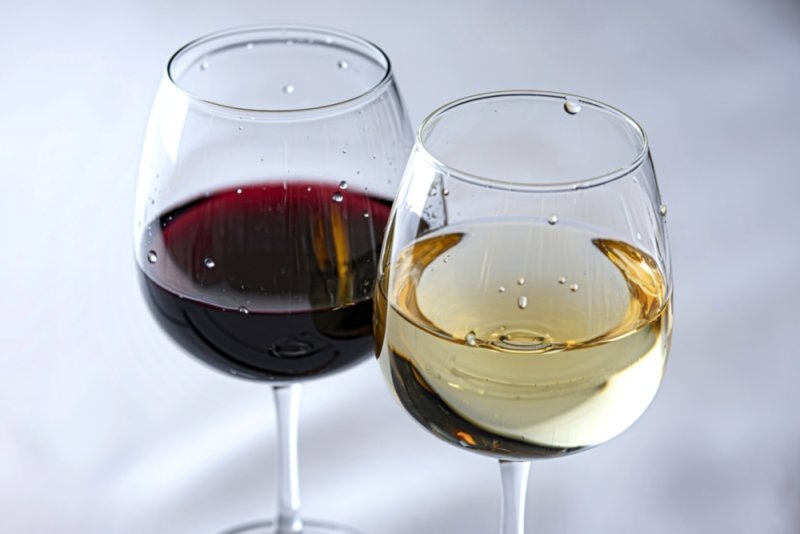
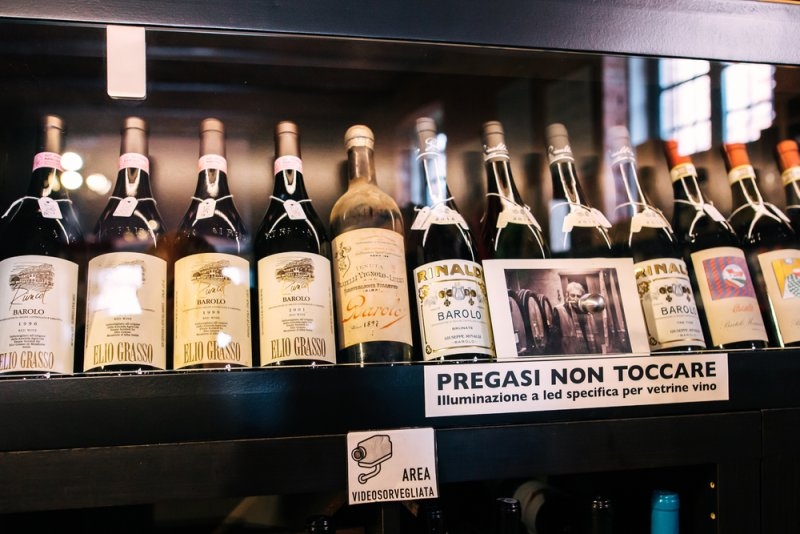
Best Wine With Thai Food: A Detailed Guide for All Occasions


Staring at a menu full of bird's eye chilies and coconut milk can lead to a major tactical error. Most people guess and grab a heavy red, which just ruins the meal. Finding the best wine with Thai food is about balance. You need a strategy that handles the heat without killing the aromatics. Stop guessing and start pairing.
Why People Constantly Search For the Best Wine with Thai Food
The search for the perfect pairing is driven by the sheer complexity of Thai flavor profiles, which often overwhelm standard wine selections. Traditional wine education focuses on Western flavor maps—fat, salt, and acid—but Thai food introduces high levels of sugar and chili heat that can make a high-tannin red wine taste bitter and metallic. People search for the best wine with Thai food because they’ve experienced the "burn" of a mismatched bottle and want to avoid wasting money on a pairing that destroys their palate.
Additionally, Thai food is inherently social and multifaceted, often involving multiple dishes with conflicting flavor notes served simultaneously. A single table might have a sour Green Papaya Salad next to a creamy, sweet Massaman Curry. This variety forces diners to look for versatile, high-leverage wines that can bridge the gap between divergent ingredients. Finding a wine that survives this environment isn't just a preference; it's a requirement for anyone who wants to actually taste their food.
5 Best Wines to Drink With Thai Food
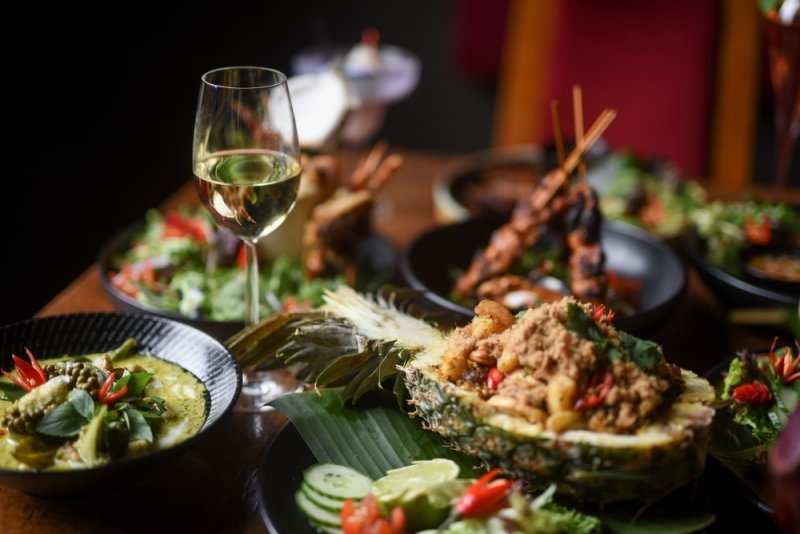
You need bottles that offer low alcohol, high acidity, and aromatic intensity. Don't waste your time with oaky or tannic varieties; use these high-performance options to dominate your next Thai feast.
1. Off-Dry Riesling
Riesling is honestly the gold standard here. That bit of natural sugar works like a coolant for the chili heat, while the high acidity slices right through a rich coconut milk sauce. Plus, those tropical fruit notes match up perfectly with Thai ingredients, giving you the best possible balance for almost any dish on the table.
2. Gewürztraminer
If your meal is heavy on lemongrass, ginger, or galangal, Gewürztraminer is your primary tool. Its intense floral aromatics and lychee notes match the "perfume" of Thai herbs perfectly. It thrives in the presence of complex aromatics where other wines would simply fade.
3. Chenin Blanc
Dishes loaded with lime and tamarind will murder a low-acid wine. Pour Chenin Blanc with Tom Yum or Larb. Its high natural acidity cuts right through the sour citrus profile, so the bottle doesn't taste flat on your palate. Grab an off-dry vintage if you need to tame the chili heat.
4. Sparkling Rose
Bubbles are a tactical advantage when dealing with fried appetizers or heavy peanut sauces. The carbonation ruthlessly prunes the fats from your tongue, while the red fruit notes provide a refreshing contrast to the salt and spice.
5. Pinot Noir
If you must drink red, Pinot Noir is the only acceptable move. Its low tannins and high acidity ensure it won't clash with the spices. It excels with beef-based curries or roasted duck dishes, where a white wine might lack the necessary structure.
What Wine Goes With Thai Food: Things You Need to Consider
Pairing isn't just about picking a grape; it's about auditing the specific failure points of the dish. You must analyze the architecture of the meal before you commit to a bottle.
1. The Chili Heat Threshold
High-proof wine wrecks your palate the second it hits chili heat. Keep your bottles under 13% ABV. Alcohol dissolves spicy capsaicin oil and coats your entire mouth in it. Anything heavier won't clear the spice—it just makes your tongue throb.
2. Coconut Milk and Fat Content
Rich curries require high acidity to break through the creaminess. Without an acidic counter, the wine will feel flabby and heavy on your palate. Look for "zesty" or "crisp" descriptors to ensure the wine has the muscle to handle the fat.
3. Sweetness vs. Umami
Thai food uses palm sugar and fish sauce in tandem. A bone-dry wine will often taste sour or "off" when paired with sweet and salty dishes. An off-dry wine (with 8-20g of residual sugar) creates a harmonious balance that dry wines simply cannot achieve.
How to Find the Best Wine Pairings with Thai Food?
Don't rely on generic recommendations. Use a structured diagnostic approach to find the exact bottle that will drive the most value for your specific order.
1. Match the Dominant Herb
Plates loaded with cilantro, mint, or Thai basil need an herbal white. Pour a Grüner Veltliner or a crisp Sauvignon Blanc. Their natural vegetal bite locks into those fresh greens instead of clashing on your palate.
2. Identify the "Power" Ingredient
Is the dish driven by lime (sour), peanuts (fat), or shrimp paste (umami)? For sour dishes, match the acid; for fatty dishes, use bubbles; for umami dishes, look for an aromatic white like Pinot Gris.
3. Test the Sauce Weight
A light and clear broth requires a light, crisp wine. A thick, red curry needs a wine with more weight and aromatic intensity. If the wine is lighter than the sauce, the food will bury it instantly.
Conclusion
You cannot appreciate high-quality Thai cuisine if you’re washing it down with a mismatched, tannic red. The best wine with Thai food isn't just a pairing; it's a defensive strategy that protects your sensory experience. By prioritizing low-alcohol, off-dry, and high-acid wines like Riesling and Gewürztraminer, you ensure that the wine supports the food rather than competing with it.
Frequently Asked Questions
Is it okay to pair red wine with spicy green curry?
Generally, no. The green chilies and coconut milk in green curry will make most red wines taste bitter and "green" in a bad way. Stick to a high-acid white like Riesling or Chenin Blanc to maintain a professional flavor standard.
Does alcohol content really matter that much?
Yes. High-alcohol wines (14%+) increase the perception of heat. If you're eating "Thai spicy," a high-ABV wine will make the spice feel unbearable. Keep your ABV low to stay in control of the meal's intensity.
Can I pair a dry Sauvignon Blanc with Pad Thai?
You can pair it, but it’s a risky move. Pad Thai is often quite sweet due to the tamarind and palm sugar. A very dry Sauvignon Blanc might taste overly tart or even "metallic" by comparison. An off-dry Riesling is a much safer, high-leverage play.
Why does sparkling wine work so well with Thai appetizers?
Fried items like spring rolls or fish cakes are heavy on oil. The carbonation in sparkling wine acts as a ruthless asset scrubber, cleaning the oil off your tongue so you can actually taste the next bite. It's the ultimate palate reset.
This content was created by AI
No keywords available