Wine Pairing With Sushi: 7 Best Options for All Occasions

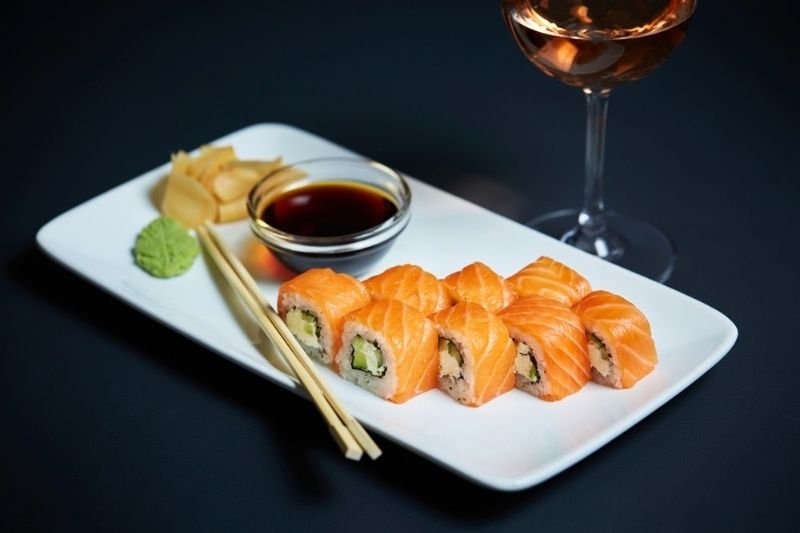
Most restaurants serve cheap sake out of broken ceramic cups. You drink the hot, awful liquid purely out of obligation. The entire dining experience feels totally staged. You pay two hundred dollars for premium raw fish and wash it down with a beverage that tastes like hot rubbing alcohol. Stop conforming to completely outdated restaurant expectations. Elite dining requires a massive upgrade in your glass. Mastering wine pairing with sushi elevates the entire meal immediately.
Must Read: Understand What Makes Low Preservative Wine a Better Choice
Why do People Love Different Wine Pairings With Sushi?
Ditching standard hot sake completely transforms the dining experience. You stop masking raw fish under layers of cheap alcohol. Pouring cold, aggressively acidic white wine slices right through the heavy fat of premium tuna. Raw seafood demands that exact sharp contrast to unlock hidden, delicate flavors trapped inside the meat. Guests obsess over this specific clash of textures. It forces the palate to stay awake.
Heavy soy sauce ruins the natural balance of the rice instantly. A highly structured wine actively fights that massive sodium spike. You cleanse your mouth completely between every single bite. The carbonation of a dry sparkling vintage resets the tongue immediately. You experience the final piece of yellowtail exactly like the first one.
7 Best Wine Pairings for Sushi for All Events
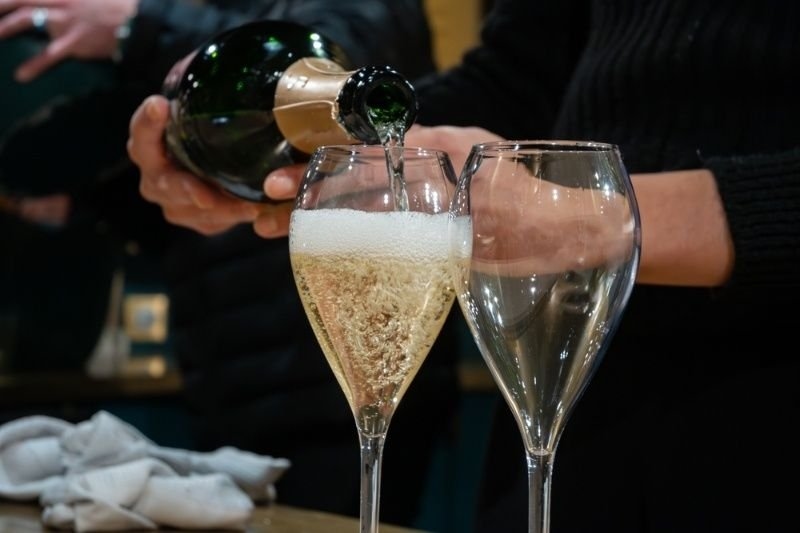
Do not guess blindly at the liquor store. You will ruin a massive sushi bill with a completely awful bottle. Memorize these specific flavor combinations to completely dominate the menu.
1. Bone-Dry Riesling
The absolute undisputed champion of raw seafood. The piercing acidity easily cuts straight through heavy soy sauce without totally destroying the fragile white fish underneath. You get massive notes of green apple and wet stone.
2. Crisp Sauvignon Blanc
Order this instantly for anything wrapped in a heavy cucumber or avocado. The sharp herbal notes cut through the dense vegetable fat perfectly. New Zealand bottles deliver a massive punch of aggressive grapefruit that wakes up a boring maki roll.
3. Brut Champagne
Luxury demands actual bubbles. The violent effervescence scrubs your tongue completely clean after eating rich, spicy mayonnaise rolls. Never buy the cheap sparkling substitutes. True Champagne delivers a rigid, yeasty backbone that completely matches the heavily fermented rice.
4. Dry Provence Rosé
Pink wine perfectly mirrors pink fish. Pour a glass of this dry summer staple when eating massive platters of raw salmon or basic crab rolls. The slight red fruit notes elevate the heavy fat of the salmon belly instantly.
5. Grüner Veltliner
Stop pouring sweet drinks with smoked eel. This specific Austrian grape delivers a brutal hit of white pepper that matches the heavy, caramelized barbecue sauce flawlessly. The rigid acidity cuts directly through the sticky glaze.
6. Vibrant Albariño
Fried tempura rolls carry a massive amount of dense fryer oil. This Spanish white wine acts like a pure squeeze of lemon juice directly on the heavy batter. The salty ocean notes mirror the seaweed wrapper perfectly.
7. Chablis
Pure, unoaked Chardonnay tastes like crushed rocks and ocean water. The heavy mineral profile matches sweet shrimp and scallops with absolute, ruthless precision. You avoid the terrible butter flavor that ruins most American Chardonnay bottles.
How to Find the Best Red Wine With Sushi: Step-by-Step
Most red grapes possess heavy tannins that make raw fish taste exactly like dirty pennies. You have to exercise extreme caution when crossing this specific boundary. Follow these rigid rules to secure the best red wine with sushi.
1. Target the Pinot Noir
This specific grape carries extremely low tannins. A light-bodied vintage from Burgundy pairs aggressively well with fatty bluefin tuna. The bright cherry flavor completely slices through the dense, buttery meat of the fish.
2. Hunt for Beaujolais
Gamay grapes produce a juicy, highly acidic profile. Serve this chilled immediately alongside anything marinated in heavy soy sauce or topped with raw octopus. It acts incredibly similar to a tart cranberry juice.
3. Avoid Oak Completely
Heavy barrel aging ruins the delicate ocean flavor instantly. Check the back label. Buy strictly stainless steel fermented bottles to preserve the raw, clean fruit structure. Oak introduces vanilla notes that clash violently with raw tuna.
4. Match the Temperature
Serving red wine at warm room temperature destroys the entire pairing. Drop the bottle directly into an ice bucket for twenty minutes before pouring. The cold temperature suppresses the remaining bitter tannins and tightens the fruit profile immediately.
5. Skip the White Fish
Never drink red juice with flounder or snapper. Reserve the red bottles strictly for heavy, oily cuts like salmon, mackerel, and seared tuna belly. Delicate white meat completely collapses under the weight of any red grape.
What Makes Sushi Wine Pairings Special?
Standard steak dinners require zero imagination. Raw fish demands a significantly higher level of absolute chemical precision. Understand exactly why sushi wine pairings operate under a totally different set of rules.
1. Acid Mandate
Raw fish naturally lacks any real acidic punch. The wine must supply that exact missing structural element to force a complete flavor profile on the tongue. You essentially use the wine exactly like a fresh lemon wedge.
2. Tannin Warfare
Normal meat fats soften heavy wine tannins perfectly. Fish oils react violently with those exact same tannins, creating a disgusting metallic aftertaste. You have to navigate this chemical minefield perfectly to avoid ruining a massive bill.
3. Umami Factor
Seaweed and fermented soy produce a massive umami bomb. A poorly chosen sweet wine completely collapses under that heavy savory pressure. You need bottles with rigid mineral spines to survive the salt assault.
4. Temperature Friction
The kitchen serves the rice warm and the fish totally cold. Adding a perfectly chilled liquid element adds a third layer of extreme temperature contrast to every single bite. The friction inside the mouth creates a massively dynamic dining event.
Conclusion
Stop defaulting to cheap imported beer just because the restaurant pushes it. The culinary ceiling sits vastly higher than that basic offering. Mastering wine pairing with sushi completely redefines how you process premium seafood. The exact friction between cold raw fish and razor-sharp acidity creates genuine magic on the palate. You pay massive amounts of money for these delicate cuts of meat. Refuse to drown them in sugary cocktails.
Frequently Asked Questions
1. Does sake technically count as a wine pairing?
No. The brewing process mimics beer significantly more than traditional viticulture. Sake completely lacks the rigid acidity of actual fermented grapes. It provides a smooth, heavy starch profile that often suffocates delicate sashimi instead of elevating it.
2. Can you drink sweet dessert wines with spicy rolls?
A slight residual sugar effectively neutralizes heavy chili oil. An off-dry German Riesling puts out the fire of a massive spicy tuna roll perfectly. You just cannot cross the line into heavy dessert syrups like port or Sauternes.
3. What happens if you drink a heavy Cabernet with raw fish?
The high iron content in the raw seafood clashes violently with the heavy tannins of the Cabernet grape. A rapid chemical reaction occurs directly on your tongue. The expensive fish immediately tastes like rusty metal and old coins.
This content was created by AI
No keywords available