Why is Languedoc Wine France's Hidden Wine Gem of 2026?

Quick Takeaways
- Languedoc is France’s largest wine region and produces top-notch red, white, rosé, and sparkling wines.
- Sunshine from the Mediterranean ripens the grapes, giving the wines bright fruit flavors and excellent value.
- Both local and international grape varieties thrive here side by side.
- A lot of wine pros now rank Languedoc among France’s best regions if you want great quality without breaking the bank.
Languedoc’s wine story really changed in the last few decades. Once overlooked, it’s now one of Europe’s most exciting spots for wine lovers. The region produces close to a third of all French wine, according to the National Institute of Origin and Quality (INAO), and these wines continue to attract attention for their focus on quality.
Burgundy and Bordeaux used to be the only names people talked about. That’s changing—and fast. Sommeliers and collectors are now watching the south closely, and for good reason: you get loads of variety, honest pricing, and wines that blend tradition with fresh ideas.
In short, there’s something for everyone. Whether you’re buying your first bottle or hunting for cellar-worthy wines, knowing a bit about Languedoc helps you see why these wines are so popular among everyday drinkers and collectors alike.
So, where is Languedoc? What makes the wines taste the way they do? Which grapes stand out? What foods work best with these bottles, the best French wines, and how do you pick the right one? This guide breaks it all down.
What Makes the Languedoc Wine Region Stand Out?
Languedoc hugs France’s Mediterranean coast, stretching from the Rhône Valley down toward Spain. The landscape changes from rolling vineyards and limestone hills to mountain slopes, beaches, and old villages. All that variety opens the door for just about every wine style you can imagine.
Unlike the old-guard French regions, Languedoc leans into both tradition and experimentation. That mix gives you wines that are easy to enjoy, expressive, and surprisingly affordable.
A Region Built for Wine
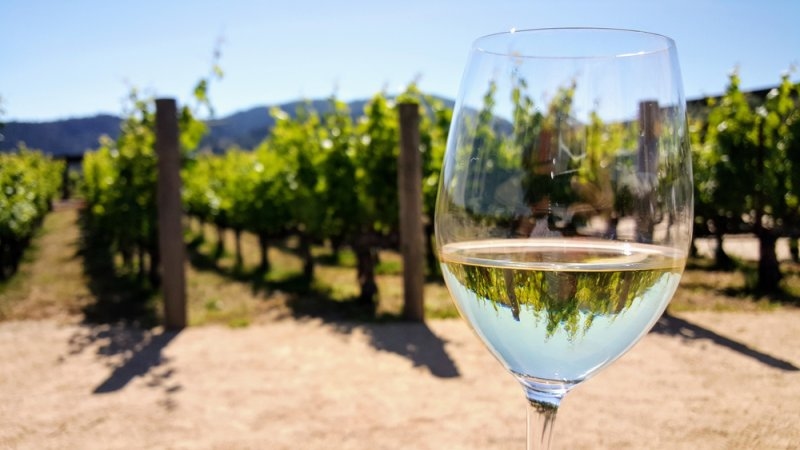
The Mediterranean climate is one of Languedoc’s biggest assets. Hot, sunny summers ripen grapes beautifully, while cooling sea breezes help keep the acidity crisp. Thanks to the varying elevations, all sorts of grape varieties flourish here.
The natural conditions also mean less disease and fewer pesticides, so many producers can adopt sustainable or even organic practices in their vineyards.
Soils That Matter
Another reason Languedoc wines stand out? The region’s patchwork of soils includes limestone, clay, schist, gravel, volcanic rock, and sandstone. Each type adds its own stamp, giving wines different aromas, textures, and layers of flavor.
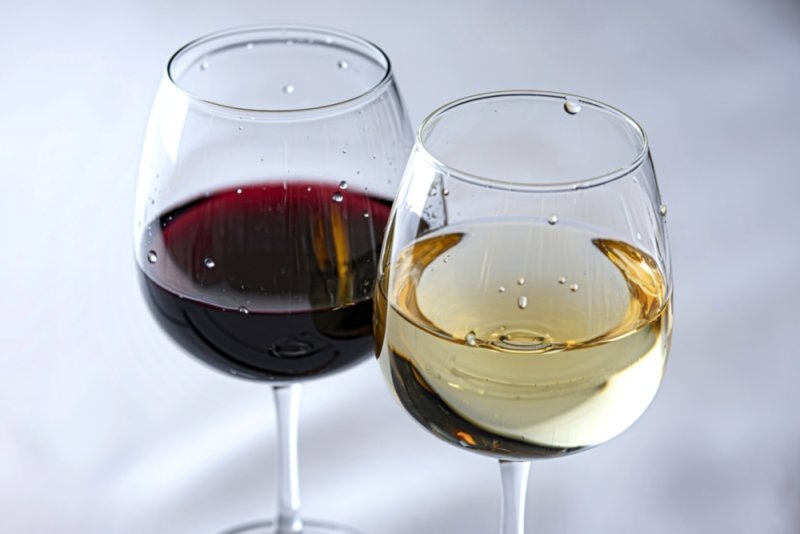
Try This: Red Wine vs. White Wine: Differences, Benefits & Pairings
Popular Languedoc Wines to Try
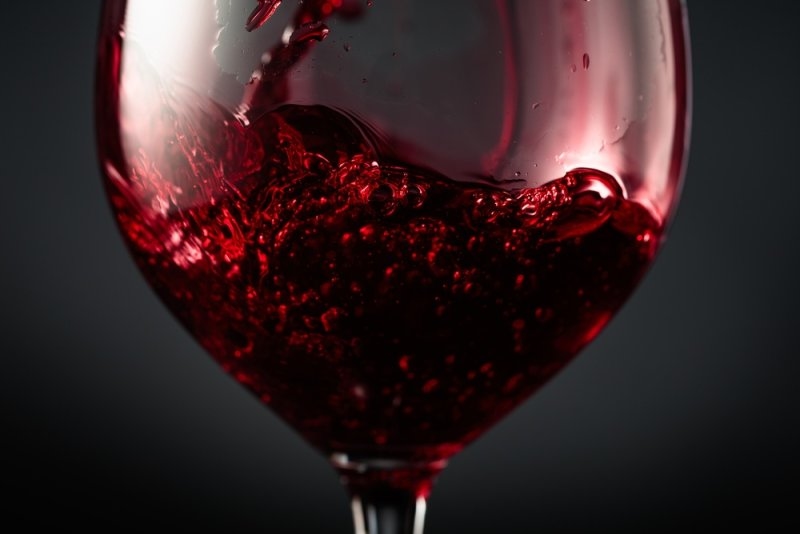
One of the best parts about Languedoc is the sheer range of wines on offer.
Rich Red Wines
If you’re into reds, you’re in luck—those make up most of the region’s production. Look for grapes like Syrah, Grenache, Mourvèdre, Carignan, and Cinsault. Expect rich flavors: blackberry, plum, black pepper, herbs, and sometimes even a kick of spice. Many reds age beautifully, too.
Fresh White Wines
Don’t ignore the whites, though. Grapes like Viognier, Grenache Blanc, Roussanne, Marsanne, and Picpoul are stars here. These wines tend to be fresh and zesty, with notes of citrus, peach, and flowers—really great with seafood.
Elegant Rosé Wines
Languedoc also makes fantastic rosés. These aren’t sugary; instead, you get crisp acidity and flavors like strawberry, watermelon, and a few herbal notes. They shine in warm weather.
Why Languedoc Wines are Such a Good Deal?
A huge draw is value. Land prices here are lower than in Bordeaux or Burgundy, so producers can invest in quality without charging sky-high prices.
You can often find bottles under $25 that punch way above their weight.
How to Pick the Right Languedoc Wine?
Looking for a full-bodied red?
Go for Syrah, Grenache, and Mourvèdre blends—these are rich, spicy, and built to age.
If You Prefer Crisp Whites
Prefer something crisp and refreshing?
Picpoul, Grenache Blanc, and Viognier are awesome white options with bright, lively flavors.
For Easy Everyday Drinking
For easy drinking on a weeknight, grab a rosé or a light Grenache blend. They’re versatile, food-friendly, and crowd-pleasers.
Best Food Pairings with Languedoc Wines
Restaurants love Languedoc wines because they pair well with almost any menu. Here are the top food pairings with wines:
Reds: Pair with grilled lamb, steak, barbecue, mushrooms, or slow-cooked beef.
Whites: Oysters, shrimp, grilled fish, goat cheese, summer salads.
Rosés: Great with Mediterranean food, pizza, pasta, charcuterie, or anything off the grill.
Languedoc’s Comeback
The last few decades have changed everything for Languedoc. These days, winemakers focus much more on quality and less on sheer quantity. Lots of estates have switched to sustainable, organic, or biodynamic vineyards. Family wineries keep traditions alive but don’t shy away from new ideas.
With people everywhere looking for wines that feel genuine (and don’t cost a fortune), Languedoc keeps gaining ground with critics, sommeliers, and collectors.
Conclusion
Languedoc proves you don’t need a fancy label for exceptional wine. Thanks to all that Mediterranean sun, amazing soils, long history, and forward-thinking winemakers, these bottles deliver way more than their price tag suggests. Whether you’re a fan of bold reds, crisp whites, or refreshing rosés, there’s something here for every palate, any day of the week.
As more wine lovers look beyond the usual French suspects, Languedoc keeps shining as one of Europe’s most exciting wine regions. The more you know about its grapes, soils, and food pairings, the easier it is to find a bottle you’ll love.
Ready to find your next favorite?
Some of the best wine discoveries happen when you wander off the beaten path. Explore new collections, dive into tasting notes, and pick up a few bottles from places you’ve never tried before. Sometimes, that next memorable glass comes from the region you least expect.
FAQs
Is Languedoc Wine Good for Beginners?
Definitely. Languedoc’s diversity means beginners can ease in with approachable Grenache reds or bright Picpoul whites, and anyone can try more complex bottles down the line. Plus, the prices are perfect for exploring without worrying about your wallet.
Can Languedoc Wines Age?
Yes, some do really well with time. Every day reds and whites are usually best fresh, but if you grab a well-made Syrah, Grenache, or Mourvèdre blend from a top producer, you can stash it for 10 to 15 years and watch it get richer and more complex.
How Does Languedoc Stack Up Against Other French Wine Regions?
Languedoc stands out because it makes just about every style—red, white, rosé, sparkling, and even dessert wines—and the prices are much lower than Bordeaux or Burgundy for similar quality. For anyone looking for great French wine without the sticker shock, Languedoc is hard to beat.
This content was created by AI
No keywords available