Top 15 Famous Wine Regions to Visit Once in Your Lifetime


Wine travel isn’t like your typical trip. Everything slows down. You notice the land under your feet, the sky overhead, the feel of the air, and the quiet moments between sips. Visiting a vineyard is never just about the wine—it’s about the stories behind it, the history folded into each row of vines, and the people who pour their lives into the soil.
Honestly, once you’ve been to just one great wine region, you’ll never look at a glass the same way again. In this blog, we’ll take you through the top 15 famous wine regions you’ve got to see at least once.
Why do Famous Wine Regions Still Matter for Travelers?
The world has thousands of wine-producing areas. Yet only a handful truly stand out. These famous wine regions built reputations over decades, sometimes centuries. Making great wine is just one piece of what gives a wine region its reputation.
The best wine regions aren’t just famous for their bottles—they’re also celebrated for everything around them: the scenery, the history, the climate, and the culture. It all blends together into something unforgettable.
Top 15 Famous Wine Regions to Visit Once in Your Lifetime
From Bordeaux through Tuscany, there are many beautiful areas that produce world-class wines and should be experienced at least once by wine aficionados.
1. Bordeaux in France
Bordeaux is legendary. No other word fits. This region produces some of the world’s most prestigious red wines. Cabernet Sauvignon and Merlot dominate here. The châteaux feel grand, almost cinematic. If you love structured, age-worthy wines, this place delivers every time.
2. Burgundy in France
Burgundy feels more intimate than Bordeaux. More complex too. Pinot Noir and Chardonnay rule this region. Small vineyards, deep traditions, obsessive winemaking. It can feel intense, but that is part of the charm. Wine lovers often consider Burgundy one of the most sacred places for wine.
3. Champagne in France
Champagne is pure celebration. But beyond luxury branding, this region has serious depth. The chalky soils produce sparkling wines with incredible elegance. Visiting underground cellars here is unforgettable. Every glass feels tied to craftsmanship.
4. Tuscany in Italy
Tuscany offers beauty almost unfairly. Rolling hills, olive groves, vineyards—everywhere. The wines are equally impressive, especially Chianti and Brunello. Some places, like Margaret River, stand out because they do things a little differently.
5. Piedmont in Italy
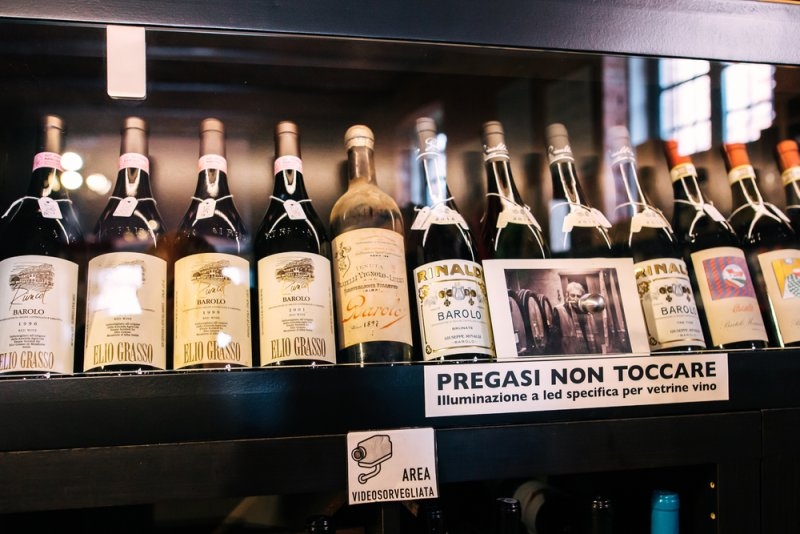
Piedmont is for serious red wine lovers. Barolo and Barbaresco come from here, both made from Nebbiolo grapes. The wines are powerful, floral, and earthy. Complex stuff. The landscape is quieter than Tuscany's but deeply charming.
6. Rioja in Spain
Rioja balances tradition and innovation well. Tempranillo leads here. You’ll find classic oak-aged reds plus modern, fresh styles. The region also feels accessible. Warm hospitality, good food, great wine. Hard to dislike.
7. Douro Valley in Portugal
The Douro Valley looks stunning. Steep terraced vineyards line the river. It feels dramatic and raw. This region is famous for port wine, but dry reds from Douro are increasingly respected too. A boat ride here is worth it.
8. Napa Valley in California

Napa is polished. Luxurious. Famous for good reason. Cabernet Sauvignon dominates. The tasting rooms range from elegant to extravagant. Some call it commercial, maybe true, but the wine quality remains hard to argue against.
9. Sonoma County in California
Sonoma feels softer than Napa. Less flashy. More relaxed. Yet still exceptional. Pinot Noir, Chardonnay, and Zinfandel all thrive here. It offers world-class wine without some of Napa’s intensity.
10. Mendoza in Argentina
Mendoza sits against the Andes. The backdrop alone is worth the trip. Malbec made this region famous. The wines are bold, rich, and smooth. High-altitude vineyards create a unique character. Plus, steak and wine here are a serious experience.
11. Barossa Valley in Australia
Barossa is big, bold, and unapologetic. Shiraz is king here. Rich fruit, spice, power. The region has deep winemaking roots and a warm atmosphere. Traditional, yet evolving fast.
12. Margaret River in Australia
Think wine tasting with a backdrop of beaches, towering forests, and a laid-back atmosphere. It combines wine with beaches, forests, and a laid-back lifestyle. Cabernet Sauvignon and Chardonnay shine here. Small region, huge reputation.
13. Marlborough in New Zealand
Marlborough changed Sauvignon Blanc forever. Fresh, vibrant, aromatic wines made this region globally famous. The style is bright and crisp. The landscapes feel clean and open—almost surreal.
14. Stellenbosch in South Africa
Stellenbosch is one of the most exciting wine regions to visit. The scenery is striking. Mountains, vineyards, historic estates. The wines are excellent too, especially Cabernet blends and Pinotage.
15. Mosel in Germany
Mosel feels magical in a quiet way. Steep vineyards rise above winding rivers. Riesling dominates. The wines range from dry to sweet, often with incredible minerality and freshness. Light yet complex.
How to Choose the Best Wine Regions for Your Travel Style?
Not every region suits every traveler. That matters more than people admit. Some travelers want luxury and polished tastings. Napa, Bordeaux, and Champagne fit well. Others prefer rustic charm. Think Tuscany, Douro, Mosel.
So, what are you after? Fancy, high-end travel? Go for Napa, Bordeaux, or Champagne. If you crave views, try Tuscany, Douro, or Mendoza. Chasing the classics? Burgundy, Piedmont, and Rioja are waiting.
Tips Before Visiting the Most Famous Wine Regions
Wine trips are better with planning. A little effort helps. Book winery visits early, especially in peak seasons. Some estates don’t accept walk-ins. Also, pace yourself. Too many tastings in one day become exhausting.
Eat well. Hydrate often. And avoid rushing. Wine regions are best experienced slowly.
Conclusion
Wine travel changes the way you see a place. You stop rushing. Little details jump out—the cellar’s smell, the crunch of gravel, the way a winemaker lights up talking about the harvest. Suddenly, it feels personal. That’s why these trips stick. The bottles get emptied, but those memories go home with you. People go for luxury, learning, or just the beauty of it all. Doesn’t really matter. The best wine regions tick all those boxes in their own way, and, funny enough, one trip usually leads to more.
FAQs
What are the Most Famous Wine Regions in the World?
You’ve probably heard of Bordeaux, Burgundy, Champagne, Tuscany, Napa Valley, Rioja, and Mendoza. It’s regions like these that shape our ideas of what great wine means—and they’re the reason people remember their visits long after the last glass.
What are the Best Wine Regions for Wine Lovers?
If you’re wondering about the best spots, it really does depend on what you love. For reds, head to Bordeaux, Piedmont, and Napa. If you love whites, try Mosel or Marlborough. If you’re after bubbles, Champagne is still the queen.
What is the Best Time of Year to Visit Wine Regions?
Harvest time is pure magic—late summer to early fall. The vineyards are humming and full of energy. Spring works, too, especially if you want smaller crowds and great weather.
Are Wine Tours Worth Booking?
Absolutely, especially in big-name places. Tours make life easier. They sort out the details and sometimes unlock hidden spots you’d never find on your own. Plus, you won’t have to worry about driving after those “just one more” tastings.
This content was created by AI
No keywords available