What Makes Chianti Wine the Most Famous Italian Wine?

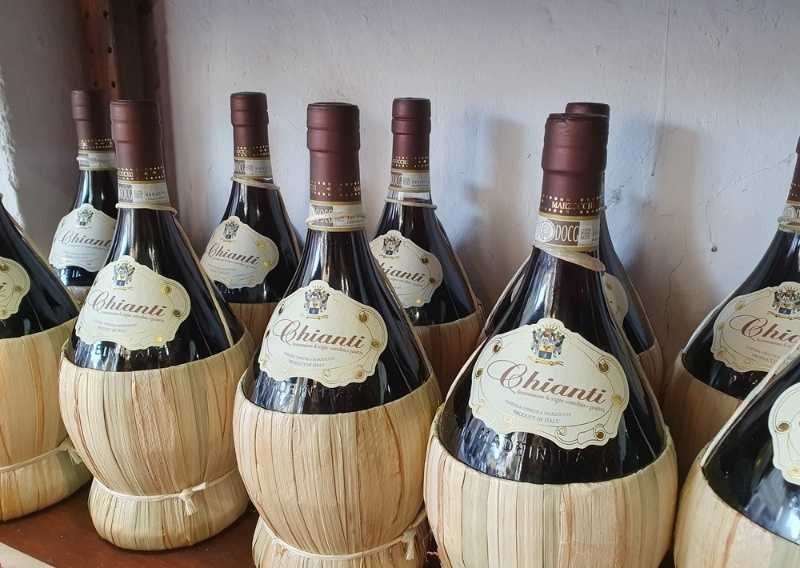
Chianti is more than just a bottle of wine on your dinner table. Chianti wine is a symbol of the rich history of Italian winemaking, Tuscan culture, and centuries of skillful production. If you've ever savored a glass of red wine with a plate of pasta, you've likely tasted Chianti wine.
The appeal of Chianti wines is that they can be both easily accessible and impressively complex. Wine drinkers love Chianti for its vibrant acidity, its food-friendly nature, and its unique characteristics. As a matter of fact, Italy remains one of the world's largest wine producers, producing over 50 million hectoliters a year, and Tuscany is considered one of Italy's top wine regions.
Whether you are a novice taster, an experienced connoisseur, or just curious to learn more about Italian wine, knowing a bit about Chianti will help you to make better buying, serving, and pairing decisions. In this Chianti Wine Guide, we explore Chianti's history, grape varieties, tasting notes, classification, pairings, and what makes this classic wine from Tuscany so popular worldwide.
What is Chianti Wine?
Chianti is an Italian wine renowned worldwide and hails from Tuscany, one of Italy's most famous wine-producing regions.
It is made predominantly from Sangiovese grapes and is known for its tart acidity and bold fruit notes.
There are strict production rules that ensure the quality and authenticity of this wonderful wine.
Many may not know it, but there are several classifications of Chianti, and "Chianti" can often be used as an umbrella term for a few different types of wine.
History of Chianti Wine
The history of Chianti wine dates back centuries.
Historical accounts show that the Chianti wine region was officially established back in the 18th century, and in 1716, Grand Duke Cosimo III of Tuscany issued a decree that limited the region where wine production was permitted, making it the first legally designated wine region in the world.
Chianti wine was a local wine at first but has since become an internationally recognized category and is today one of Italy's best-known wines for export and one of Italy's favorite wines.
What Grapes are Used in Chianti?
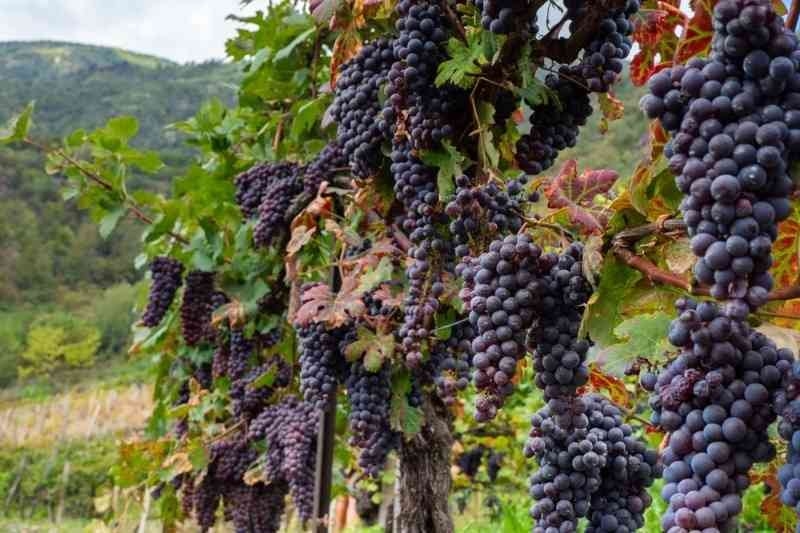
The main grape used in every Chianti wine is Sangiovese.
According to current Italian law, the proportion of this grape in modern Chianti wines should be significant.
Characteristics of Sangiovese grapes
Sangiovese produces wines that have:
- Bright cherry flavors
- Medium-bodied
- Fresh acidity
- Earthy undertones
- Floral aromas
These characteristics, along with others, have made Chianti wine one of the most compatible food wines.
Other grape varieties
Other Italian red grapes, and sometimes white grapes, can be blended with Sangiovese for some Chianti styles, up to 20%.
The addition of these other grapes can add extra depth of color, fruit character, and structure.
Must Try: Homemade Fruit Wine Recipe: From Garden to Glass
Understanding Chianti Classifications
One of the main reasons people find Chianti so confusing is the wine classification system, which includes the following:
Chianti DOCG
This is the most basic of all Chianti wines. It is available in 6 sub-regions within the greater Tuscan region and is generally the most affordable and most suitable for everyday drinking.
Chianti Classico
Considered to be the historic heartland of Chianti wine production. The grapes come from a more specific area of Tuscany located between Florence and Siena. Many wine drinkers would argue that Chianti Classico is a much better and more sophisticated wine than basic Chianti wine.
Chianti Classico Riserva
Riserva wines are Chianti Classico wines that have been aged longer before release. This additional aging tends to yield a more complex, structured wine.
Gran Selezione
Gran Selezione is the highest quality classification for Chianti Classico wines. These are selected from specific, high-quality vineyard sites and undergo longer aging, developing nuanced flavors and great texture.
What Does Chianti Wine Taste Like?
The reason Chianti is so popular is its wonderful, complex flavor.
Fruit Flavors
Most Chianti wines display the following:
- Cherry
- Raspberry
- Red plum
- Strawberry
- Earthy Tones
Along with the fruit, you will often find notes of:
- Dried herbs
- Leather
- Tobacco
- Forest floor
- Acidity and Structure
Chianti wines are typically bright and lively, with fresh acidity. This is why it's such an amazing food and wine.
Chianti wine doesn't feel particularly heavy in your mouth, balancing fruit, acidity, and tannins to perfection.
Pairing Wine with Chianti
It's difficult to find a wine that pairs better with food than Chianti. The high acidity of its Sangiovese grapes can cut through rich foods in the same way that good-quality vinegar does in a salad dressing.
Pasta with Tomato Sauce
As Chianti wine is a light- to medium-bodied wine with bright acidity and red fruit notes, it pairs perfectly with pasta in red tomato sauce.
Pizza
Whatever toppings your pizza has, from meat to vegetables and cheese, Chianti will pair perfectly with it.
Grilled Meat
Beef, lamb, and pork all pair beautifully with Chianti, its medium-bodied nature balancing well with these proteins.
Aged cheese
Hard cheeses like Pecorino and Parmesan both pair perfectly with Chianti.
Mushrooms
The earthy, intense flavor of mushrooms complements the savory, sometimes even mushroom-like undertones of Chianti.
Try This: Matching Wine with Food for Every Occasion
Why is Tuscany the Perfect Region for Chianti?
The success of Tuscan wine is partly down to its excellent geography.
The region's topography and climate provide the following:
- Rolling hills
- Well-drained soils
- Long, warm day
- Cool evenings
The Sangiovese grapes will develop slowly in this unique environment, gaining concentration of fruit and flavor without becoming too alcoholic or losing freshness. Many Chianti vineyards are at high altitude, which further enhances this quality. This is why Tuscany is one of the finest winemaking regions in the world.
Wine Tasting Tips for Chianti
To get the best experience from your Chianti wine, try to apply these simple wine tasting tips:
Serve at the Correct Temperature
Serve Chianti wine slightly cooler than room temperature, at about 16 to 18°C.
Use a Standard Red Wine Glass
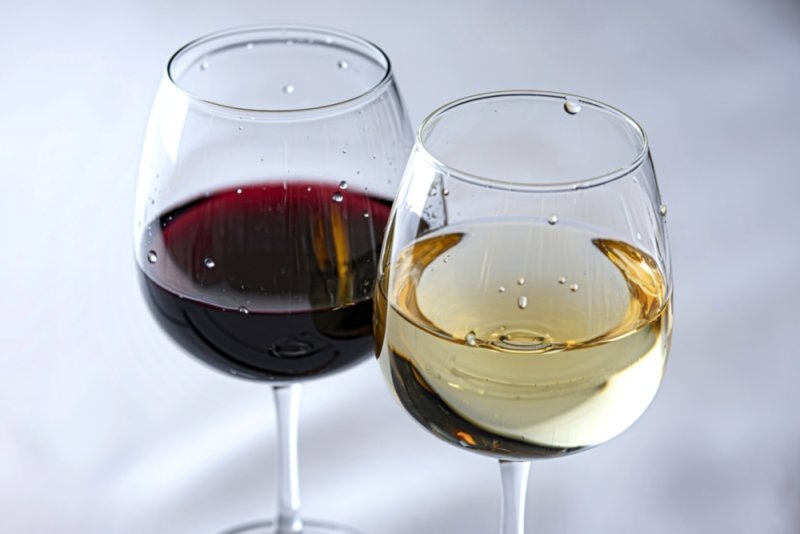
The size and shape of a normal red wine glass will allow you to collect all of the aromas of the Chianti wine.
Let it Breathe
A quick decant (or just open it half an hour before you plan to drink) can help release a Chianti's wonderful aroma and flavor.
Taste with Food
Chianti is the perfect wine to accompany a meal, and tasting wine and food together often brings out complex, enjoyable flavor combinations.
Choosing a Good Bottle of Chianti Wine
If you want to purchase a higher-quality bottle of Chianti, make sure it states either 'Chianti Classico,' 'Chianti Classico Riserva,' or 'Gran Selezione' on the label; you will often also find a DOCG certification. A Chianti Classico is usually a good place to start when sampling this excellent Italian wine.
How to Store Chianti Wine for Long?
Chianti wine should be stored in a cool, dark place at a constant temperature, ideally between 55°F and 65°F (13°C-18°C). Corks should be kept moist if possible by laying the bottles on their sides to prevent them from drying out. Avoid direct sunlight, constant vibration, and sudden temperature changes. This will preserve the wine's flavor, aroma, and aging potential.
Conclusion
We have highlighted through this Chianti Wine Guide why this famous Tuscan wine remains one of the most widely appreciated and respected in the world, from its humble history, its Sangiovese grapes, and its Chianti Classico classification to the tasting notes, pairings, and why Tuscany makes the perfect home for this exquisite Italian wine.
Whether you are new to wine or expanding your collection, Chianti wine offers excellent value, versatility, and heritage. For more useful wine guides, pairing tips, and education resources, PointWines.com is sure to provide you with interesting information.
FAQs
How Long Can You Store Chianti Wine Before Drinking?
Standard Chianti wine should be drunk within a few years of purchase. However, a higher-quality Chianti Classico Riserva or Gran Selezione will age for 10+ years if stored correctly.
Is Chianti Wine Suitable for Beginners?
Yes! Because of its light-to-medium body, refreshing acidity, and fruit notes, Chianti wine is the perfect introductory wine and easy to drink. It is often recommended for new wine drinkers.
What Distinguishes Chianti Wine from Other Red Wines?
Chianti is distinguished by its dominant Sangiovese grape, its origins in Tuscany, its characteristic bright red fruit notes, and high acidity. This acidity is key to the wine's success as a food pairing wine, and its medium body makes it more versatile than richer, more tannic red wines from other regions.
This content was created by AI
No keywords available