Which are the Best White Wines to Try and What to Eat with Them?

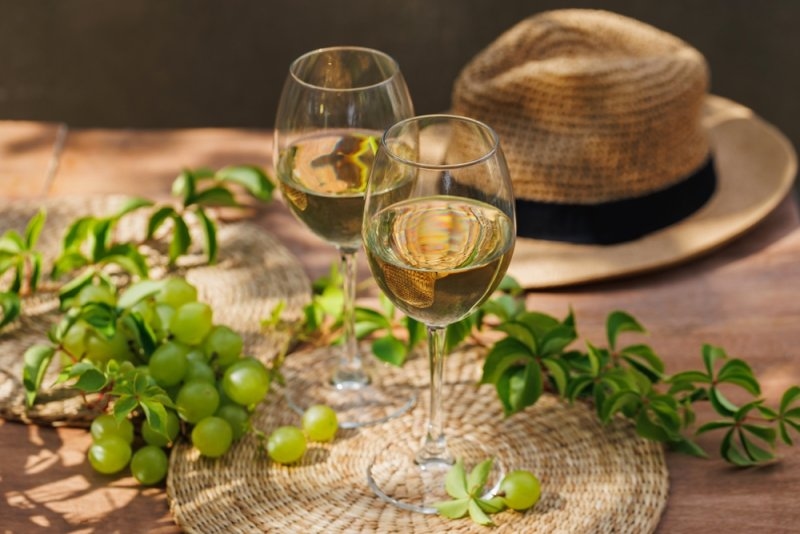
Deliciously refreshing and extremely versatile, great white wines are enjoyed worldwide. In fact, according to industry figures, white wine accounts for almost 45% of wine drunk worldwide, and some of the best white wines, such as Chardonnay and Sauvignon Blanc, are among the most sought-after. Whether it’s fish, poultry, pasta, or vegetables on the menu, the right white wine is sure to bring out all the subtle nuances in the dish and guarantee a successful meal. Thus, it is essential to know wine and food pairing.
With hundreds of grape varieties and countless wine regions to choose from, selecting white wine can seem daunting, but understanding flavor profiles, acidity levels, and food and wine pairings should greatly simplify your choice. Here are some of the best white wines to try and white wine pairings:
1. Chardonnay
The most famous white wine in the world, Chardonnay, is incredibly versatile.
Depending on how it's made, Chardonnay wine can range from very crisp and mineral-driven to very full-bodied with buttery notes of vanilla and toasted oak. Its ability to grow and adapt to different climates and styles makes it one of the most widely consumed white wines globally.
Wines To Try
- Kendall-Jackson Vintner's Reserve Chardonnay
- La Crema Chardonnay
- Cakebread Cellars Chardonnay
Best Food Pairings
- Roast chicken
- Lobster
- Cream-based pasta
- Grilled salmon
- Brie cheese
Tastes Like
Butter, vanilla, baked apple, pear, tropical fruit, and light oak.
2. Sauvignon Blanc
Sauvignon Blanc is best known for its clean, crisp acidity. This wine typically shows grassy notes, citrus flavors of lemon and lime, green apple, tropical fruit, and herbs. Its crisp profile has made it a staple of warm weather and outdoor entertaining.
Wines To Try
- Kim Crawford Sauvignon Blanc
- Oyster Bay Sauvignon Blanc
- Cloudy Bay Sauvignon Blanc
Best Food Pairings
- Goat cheese
- Green salads
- Grilled shrimp
- Sushi
- Asparagus dishes
Tastes Like
Grapefruit, lime, passion fruit, green apple, and fresh-cut grass.
3. Pinot Grigio
A simple yet utterly refreshing wine, Pinot Grigio is clean, light, and easy to drink. The fruit notes are generally delicate, and the finish is dry. Many wine newbies are instantly drawn to Pinot Grigio due to its straightforward style and crisp, balanced acidity.
Wines To Try
- Santa Margherita Pinot Grigio
- Jermann Pinot Grigio
- Livio Felluga Pinot Grigio
Best Food Pairings
- Seafood pasta
- Grilled vegetables
- Light appetizers
- White fish
- Fresh salads
Tastes Like
Lemon, pear, green apple, melon, and citrus zest.
4. Riesling
Riesling comes in all styles, from completely dry to wonderfully sweet, offering tremendous versatility.
Usually showcasing notes of peach, apricot, lime, citrus, and floral aromas, Riesling wine typically has high acidity, providing a lovely fresh counterpart to fuller, sweeter varieties.
Wines To Try
- Dr. Loosen Blue Slate Riesling
- Trimbach Riesling
- Chateau Ste. Michelle Riesling
Best Food Pairings
- Spicy Asian cuisine
- Pork dishes
- Thai food
- Indian curries
- Fruit desserts
Tastes Like
Peach, apricot, honey, lime, green apple, and jasmine.
5. Chenin Blanc
Underrated but always excellent, Chenin Blanc wine is wonderfully complex.
Chenin Blanc can be dry, off-dry, or sweet, depending on the region and winemaking style, making it a supremely versatile wine when pairing with food.
Wines To Try
- Dry Creek Vineyard Chenin Blanc
- Lang & Reed Chenin Blanc
- Mullineux Old Vines White
Best Food Pairings
- Roast chicken
- Seafood
- Creamy sauces
- Soft cheeses
- Vegetable dishes
Tastes Like
Apple, pear, honey, quince, melon, and citrus.
6. Albario
Primarily found in northern Spain, Albariño wine is treasured for its crisp acidity and citrus notes. This vibrant wine generally shows off its lemon, lime, and peach characteristics, with salty notes and the delicate scent of white flowers. Albario wine is one of the top contenders for a perfect seafood accompaniment.
Wines To Try
- Martín Cadax Albario
- Pazo de Seorans Albario
- La Caa Albario
Best Food Pairings
- Oysters
- Crab
- Shrimp
- Grilled fish
- Sushi
Tastes Like
Lemon, peach, nectarine, grapefruit, and sea minerals.
7. Viognier
A deeply aromatic and full-bodied white wine, Viognier is often loved for its opulent mouthfeel.
Typical notes include apricot, peach, honeysuckle, and orange blossom, which give it the complexity to pair with more full-flavored dishes that would overpower lighter white wines.
Wines To Try
- Yalumba Viognier
- Condrieu La Doriane
- Tablas Creek Viognier
Best Food Pairings
- Roasted poultry
- Spicy dishes
- Grilled vegetables
- Mild curries
- Creamy pasta
Tastes Like
Peach, apricot, mango, honeysuckle, and orange blossom.
How To Choose The Right White Wine?
It all depends on your personal taste, but here are a few helpful factors to narrow down the selection. Here are the following:
Check the Acidity Level
The acidity of a wine determines how crisp and refreshing it tastes.
- Low Acidity (Below 5.5 g/L): Rich and smooth wines, such as Chardonnay.
- Medium Acidity (5.5-7 g/L): Balanced wines such as Chenin Blanc.
- High Acidity (Above 7 g/L): Crisp wines such as Sauvignon Blanc and Riesling.
Consider the Grape Variety
Different grapes produce a wide variety of flavor profiles. Try all grape types before buying. Here are the grape varieties you can consider:
- Chardonnay: Rich and creamy
- Sauvignon Blanc: Crisp and citrusy
- Riesling: Fruity and aromatic
- Pinot Grigio: Light and refreshing
- Viognier: Floral and full-bodied
Check The Wine Region
The winegrowing region plays a huge role in taste.
- France: Elegant and balanced wines
- California: Fruit-forward styles
- New Zealand: Vibrant Sauvignon Blanc
- Germany: Premium Rieslings
- Spain: Exceptional Albario
Match The Wine To The Occasion
- Casual dinners: Pinot Grigio
- Seafood meals: Albariño or Sauvignon Blanc
- Creamy dishes: Chardonnay
- Spicy foods: Riesling
- Celebrations Premium: Chardonnay or Viognier
Common White Wine Serving Mistakes
It’s surprising how easily a good glass of white wine can be spoiled with just one serving mistake:
- Serving the wine too cold
- Using incorrect glassware
- Pairing a very delicate white wine with rich, full-bodied food
- Storing bottles at the incorrect temperature
Most white wines should be served between 45F and 55F (7C-13C) to maintain their aromas and flavors.
Conclusion
The best white wine truly has something for everyone, from the crisp freshness of Sauvignon Blanc to the full-bodied, buttery qualities of Chardonnay. This guide has introduced some popular varieties, explained their characteristics, highlighted particular wines worth trying, and offered food-and-wine pairing suggestions for white wine so that any meal can be made much more memorable. Understanding how acidity levels, grape varieties, and wine regions can impact taste should help you pick the perfect bottle every time.
FAQs
Does White Wine Improve with Age?
Some white wines are meant to be drunk young, while others benefit hugely from aging. Certain Chardonnay wines, premium Riesling wines, and a few Chenin Blanc varieties, when stored correctly, can develop much greater complexity over many years. Most day-to-day white wines should be consumed within 2 to 5 years of bottling.
What Glass Should be Used for White Wine?
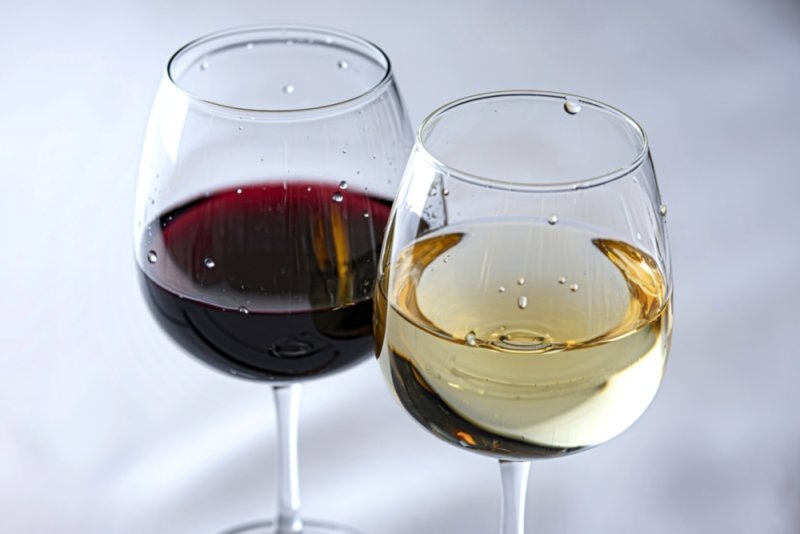
White wine should always be served in smaller-bowled glasses than red wine glasses in order to help preserve its cool temperature and the concentration of its aromatics. While some specific wines will work better with specialized glasses, a standard white wine glass will suffice for most bottles and most meals.
Can White Wine be Used for Cooking?
White wine can be an amazing tool in the kitchen, adding great acidity and depth to anything from sauces, seafood, and poultry to risottos and rice dishes. Most often, dry white wine is preferable for cooking, as it will add acidity without excessive sweetness. Many chefs will recommend cooking with a white wine you'd be happy to drink.
This content was created by AI
No keywords available