What is the Most Expensive White Wine in the World?

Quick Takeaways
- Rare vintages and limited production runs drive the market value of elite white wines.
- Historical provenance and prestige auctions elevate certain bottles into million-dollar investment assets.
- Premier regions like Burgundy produce the world's most coveted Chardonnay and Sauternes bottles.
- Meticulous winemaking techniques like noble rot cultivation significantly increase labor costs and rarity.
- Collecting rare bottles offers both sensory indulgence and strong potential for long-term financial appreciation.
Stepping into the realm of fine wine is a sensory journey rooted in history, passion, and heritage. While red wines often dominate headlines at high-end auctions, the market for ultra-luxury whites has skyrocketed. Industry reports from Liv-ex show that fine white Burgundy trade share has surged significantly in recent years, with top-tier bottles growing in value by over 150% across the past decade. Discovering the most expensive white wine in the world reveals a fascinating world where climate, craftsmanship, and extreme rarity intersect.
Opening a legendary vintage connects you directly to the land and the dedicated hands that harvested it. For passionate collectors, acquiring these rare liquid treasures brings an unmatchable thrill. Understanding what makes these bottles so valuable helps you appreciate the art behind every sip.
In this guide, we will explore the elite world of luxury viticulture, unpack the key factors driving high auction prices, and detail the premier bottles that define best and fine white wine collecting.
What Makes White Wine So Expensive?
Crafting an exceptional vintage requires a rare alignment of natural conditions and human expertise. High market prices reflect decades of tradition, meticulous labor, and natural scarcity.
Geographic Scarcity and Terroir
The world's rarest bottles originate from small, highly coveted vineyard plots. Regions like the Côte de Beaune in Burgundy feature finite boundaries that cannot be expanded, making every square foot of soil priceless.
Labor-Intensive Cultivation
Elite producers practice rigorous yield control to concentrate flavor. When producing sweet dessert wines, winemakers rely on natural noble rot, which requires hand-picking individual grapes over multiple painstaking sweeps.
Long-Term Cellar Aging
Premium white wines demand extended aging in fine French oak barrels. Storage costs, barrel procurement, and inventory holding times add substantial overhead to the final price tag.
The 5 Most Expensive White Wine Bottles
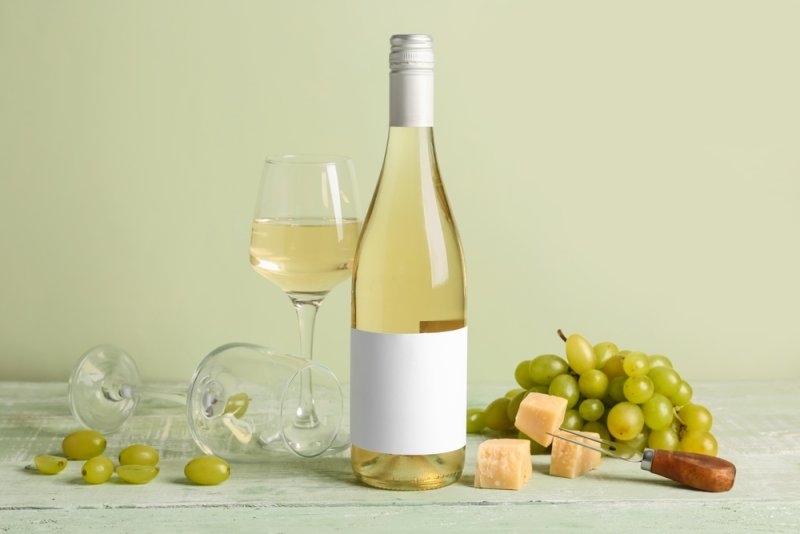
Here are the best quality and most expensive white wines in the world for every occasion:
1. Domaine d'Auvenay Chevalier-Montrachet Grand Cru
- Region: Burgundy, France
- Grape Type: 100% Chardonnay
- Average Price: $30,000 per bottle
- Producer: Lalou Bize-Leroy
- Wine Type: Dry White Wine
- Food Pairing: Pan-seared foie gras, buttered lobster, or roasted poultry with white truffles
Millesima.com - Best For: Ultra-exclusive wine investment cellars and landmark milestone celebrations
Domaine d'Auvenay represents the absolute pinnacle of Burgundian winemaking. Directed by legendary winemaker Lalou Bize-Leroy, this estate practices strict biodynamic farming to achieve unparalleled concentration. The vineyard yields extremely small quantities each harvest, resulting in a most expensive bottle of white wine search contender that collectors compete fiercely to acquire. Each sip offers intense mineral complexity, floral elegance, and incredible aging potential.
2. Domaine de la Romanée-Conti Montrachet Grand Cru
- Region: Burgundy, France
- Grape Type: 100% Chardonnay
- Average Price: $10,000 to $15,000 per bottle
- Producer: Domaine de la Romanée-Conti
- Wine Type: Dry White Wine
- Food Pairing: Poached langoustines, caviar, or rich creamy halibut
Millesima.com - Best For: High-net-worth fine wine portfolios and prestige tasting menus
Widely celebrated for its legendary reds, Domaine de la Romanée-Conti also crafts a legendary Montrachet. This premier bottling comes from a tiny parcel of land measuring under two acres. The wine undergoes careful oak aging to achieve a rich texture balanced by vibrant acidity. It remains a benchmark for the best quality white wine produced anywhere on the globe.
3. Château d'Yquem 1811
- Region: Sauternes, Bordeaux, France
- Grape Type: Semillon and Sauvignon Blanc Blend
- Average Price: $117,000 per bottle (Historical Auction Record)
- Producer: Château d'Yquem
- Wine Type: Sweet Dessert Wine
- Food Pairing: Roquefort blue cheese, classic foie gras, or fruit tarts
Food and Wine Pairing - Best For: Historical auction showcases and once-in-a-lifetime museum collection pieces
Château d'Yquem is synonymous with unrivaled luxury. The historic 1811 vintage set a record when purchased by private collector Christian Vanneque. Thanks to high natural sugar and acid concentration, this legendary bottle can age gracefully across centuries. It stands as a timeless masterpiece among expensive white wine brands and historic estate vintages.
4. Domaine Leflaive Montrachet Grand Cru
- Region: Burgundy, France
- Grape Type: 100% Chardonnay
- Average Price: $12,000 per bottle
- Producer: Domaine Leflaive
- Wine Type: Dry White Wine
- Food Pairing: Grilled sea bass, butter-poached scallops, or seared veal chops
Vivino - Best For: Long-term cellar aging and serious Burgundy purists
Domaine Leflaive is a pioneer of biodynamic viticulture in Puligny-Montrachet. Their micro plot in Montrachet yields only a few hundred bottles per year. The wine showcases pure fruit expression, complex flint notes, and seamless balance. Collectors revere this label for its consistency and impressive aging longevity.
5. Egon Müller Scharzhofberger Riesling Trockenbeerenauslese
- Region: Mosel, Germany
- Grape Type: 100% Riesling
- Average Price: $15,000 to $20,000 per bottle
- Producer: Egon Müller
- Wine Type: Sweet White Wine
- Food Pairing: Artisanal blue cheeses, spicy Cantonese cuisine, or fruit tarts
Vinoscout - Best For: Connoisseurs seeking the world's most refined balance of sugar and acidity
Originating from the steep slate slopes of the Mosel region, this Trockenbeerenauslese is a rare gem. Winemaker Egon Müller produces this elixir only in exceptional years when noble rot strikes perfectly. The resulting wine delivers intense sweetness balanced by razor-sharp natural acidity.
How to Invest in Fine White Wine?
Building a cellar filled with rare whites requires patience, proper storage, and market insight. Provenance is essential when purchasing high-value bottles online or at auction.
Ensure your cellar maintains a stable temperature of fifty-five degrees Fahrenheit and seventy percent humidity to preserve cork integrity over decades.
Conclusion
Exploring the rare world of high-end viticulture opens doors to history, art, and refined taste. Throughout this guide, we explored how geographic scarcity, meticulous hand harvesting, and careful cellar aging transform grapes into liquid gold. We examined iconic producers like Domaine d'Auvenay, Château d'Yquem, and Egon Müller while discovering the key market dynamics behind fine white wine valuation.
Whether you are expanding a curated investment cellar or seeking a truly memorable bottle to celebrate life's milestone moments, surrounding yourself with fine craftsmanship makes every occasion extraordinary. Taking time to appreciate the stories, land, and mastery behind exceptional bottles enhances every pour. Start curating your personal collection today to discover world-class vintages tailored to your refined palate.
Frequently Asked Questions
What Temperature Should You Serve High-End White Wine?
High-end white wines like Grand Cru Burgundy should be served between fifty and fifty-four degrees Fahrenheit. Serving them slightly warmer than standard whites releases complex aromas and allows rich oak and mineral layers to blossom fully in your glass.
How Long Can an Unopened Bottle of Fine White Wine Last?
While everyday whites should be consumed within two years, top-tier white wines can age for decades. Exceptional dry white Burgundies last fifteen to thirty years, while botrytized sweet wines like Château d'Yquem can cellar gracefully for over a century.
Why is White Burgundy More Expensive Than Other Chardonnays?
White Burgundy commands high prices due to strict land limitations, centuries of vineyard classification, and unique limestone soils. The region produces very limited quantities of Grand Cru grapes, creating high global demand that far exceeds annual supply.
Do Expensive White Wines Require Decanting Before Serving?
Yes, full-bodied or mature white wines benefit significantly from brief decanting. Decanting for fifteen to thirty minutes allows reduction to dissipate, opens tight aromatic profiles, and softens the texture of young, highly structured bottles.
What Glassware Works Best for Enjoying Fine White Wines?
Fine white wines perform best in large, wide globes like a Montrachet or Burgundy glass. The wider bowl provides generous air contact, helping channel complex oak, butter, and fruit aromas directly to your nose.
This content was created by AI
No keywords available