Why Single Vineyard Wine Matters to Serious Collectors?


Wine collecting isn’t what it used to be. It’s not just about the big names or the highest price tags anymore. Now, people want the story behind the bottle. They’re looking for wines with a real sense of place—bottles that tell you where they came from. That shift is huge, and it’s the reason single vineyard bottles are catching the eyes of serious collectors everywhere.
Of course, taste still matters. But for a lot of collectors, it’s so much more than just what’s in the glass. They want to know the grapes’ backstory—the soil, the slope, the weather, even which way the vineyard faces the sun. All those details shape the wine and set one bottle apart from another. In the high-end world, those small things aren’t just “nice to know,” they’re everything.
In this blog, we’ll break down why single vineyard wines matter, what makes them stand out, and why collectors go after them so passionately.
Understanding Single Vineyard Wine in Modern Collecting
Single vineyard wine refers to wine made using grapes sourced from one specific vineyard. Not multiple vineyards. Not blended across regions. One site only.
That sounds simple. Yet it changes everything. The vineyard itself becomes the center of the wine’s identity. Soil, slope, altitude, drainage, climate, sun exposure—all of it affects flavor. This is where collectors pay attention.
When people ask, " What is a single vineyard wine?", the simple answer is this: it is wine that reflects one specific place as clearly as possible. The goal is the expression of the site, not blending for consistency. That makes these wines highly distinctive.
One Vineyard Creates One Clear Story
Blended wines often aim for balance and consistency year after year. Single vineyard wines are different. They show variation. Vintage matters more. Weather matters more. Even small seasonal shifts become noticeable.
Collectors love this because each bottle tells a more precise story. It feels real. Less manufactured.
Terroir Becomes The Main Character
Terroir is a word collectors hear constantly. It refers to the environmental conditions shaping the grapes.
Let’s get into what it all comes down to:
- soil type
- climate
- elevation
- rainfall
- vineyard exposure
All these factors leave their mark on the wine. That’s why two vineyards, growing the same grape, just yards apart, can turn out wines that taste nothing alike.
Also Read: Wine Tourism List For World’s Best Vineyards for Wine Lovers
Why Single Vineyard Wines Stand Out for Collectors?
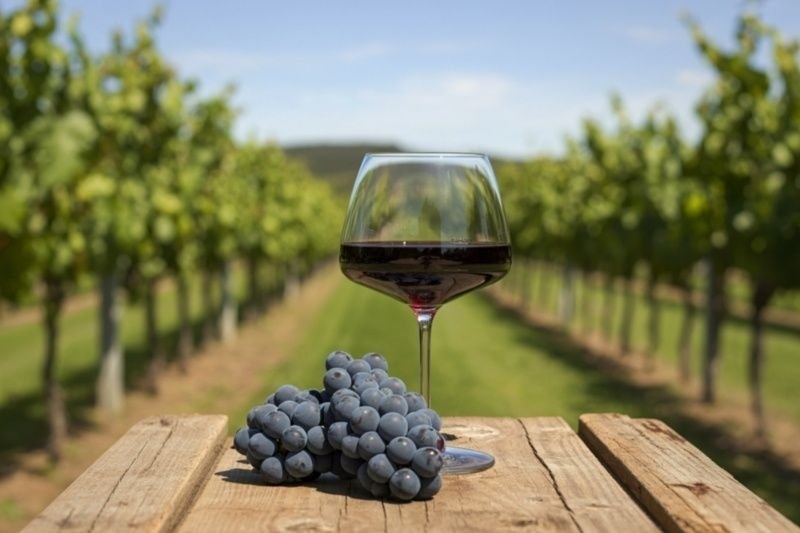
Serious collectors chase rarity, quality, plus uniqueness. Single Vineyard Wines often deliver all three. They offer something harder to find in mass production—individual character.
Limited Production Increases Demand
Most single vineyard wines are produced in smaller quantities. A vineyard has fixed boundaries. Production cannot scale endlessly. Once the grapes are harvested, that vintage is limited forever.
Scarcity creates value. Many collectors know about the limited supply and increasing demand due to the quality across many years.
Distinct Character Makes Wines Memorable
Some wines are nice to drink, but will not be remembered. Single vineyard wines often feel sharper in identity. They show a stronger personality. Sometimes bold, sometimes subtle—but rarely generic.
That uniqueness creates emotional value. Collectors remember these bottles. They talk about them for years.
Vineyard Wine Offers Stronger Connection to Place
Good vineyard wine carries a sense of place. That connection matters a lot in fine wine collecting. Collectors are not just buying liquid in a bottle. They are buying geography, season, craftsmanship, and agricultural detail.
Place Matters More Than Branding
Brand reputation matters in wine, yes. But advanced collectors eventually move deeper. They start caring more about vineyard origin than marketing.
A respected vineyard often carries enormous prestige on its own. Sometimes, it's more than the winery name. That says a lot.
Vintage Differences Become More Exciting
The weather shifts every year. A hotter season may create richer fruit. Cooler years may create more acidity and freshness. Rainfall changes structure, too.
Single vineyard wines capture these changes clearly. That unpredictability makes collecting more interesting. Not every year tastes the same. That is the point.
Don't Miss: Find the Best Wines Made from Top Grapes Of Oregon Regions
Premium Wines Often Start With Exceptional Vineyards
Many of the world’s best Premium Wines begin with extraordinary vineyard sites. Great wine usually starts in the vineyard. Not in the cellar. Winemaking matters. Of course. But poor grapes rarely become great wine.
Exceptional Land Produces Exceptional Fruit
Certain vineyard sites consistently produce remarkable grapes. Some vineyard locations offer ideal sunlight, natural drains, mineral-rich soils, or great climate conditions to produce grapes. Some vineyards have developed their reputation over the course of many years.
Precision Farming Improves Quality
A single-vineyard produced wine is produced in one location only and will be cared for by the vineyard manager. The grower can employ the most precise farming practices due to all of their farming decision-making being focused on that one vineyard site. Harvest timing, pruning, irrigation, plus canopy management become more refined.
Why Serious Collectors Pay More for Single Vineyard Bottles
Collectors do not pay premium prices without reason. Value in wine comes from several factors working together—rarity, quality, reputation, aging potential, plus demand.
Many single vineyard wines age beautifully. Over time, the structure softens. Wine aromas become more layered. Flavor complexity increases. Collectors value wines that evolve well over years or decades. Aging potential makes a bottle more than a short-term purchase. It becomes part of a long game.
Conclusion
Interest in single vineyard wines isn’t slowing down. People want more information, more connection, more truth. They want a bottle that’s rooted to its spot on earth, one that shows off quality and careful craft—not just some generic blend.
That’s what single vineyard wines offer. Rarity. A real identity. Strong aging potential. Collectibility. But above all, they deliver something a lot of wines just can’t—a clear sense of origin.
For collectors, this matters a lot. These aren’t just fancy purchases; they’re snapshots of a specific place, a particular year, and a winemaker’s vision—all inside one bottle.
FAQs
Why single vineyard wines are so special?
It comes down to focus. These wines come from one plot, not a mix of sources. You taste the vineyard—its personality, the year’s quirks, all the details. Collectors love that clarity. Its authenticity you can taste.
Are single vineyard wines always more expensive?
Not always, but a lot of them do cost more. There’s less of each bottle, vineyards are often top-notch, and collectors want them. When demand’s high and supply’s tight, prices climb—especially for the most respected vineyards.
Can single vineyard wines age better than blends?
Often, yes—if they use great fruit and have good structure. It depends on the grape, the way it’s made, and the site’s quality. When everything lines up, these wines can age beautifully, picking up layers and complexity over the years.
How should collectors store single vineyard wines?
Store them in a cool, dark spot with a steady temperature and good humidity. That protects their taste, structure, and value. Bad storage can ruin even the best bottle fast, so don’t take chances when it comes to these prized wines.
This content was created by AI
No keywords available